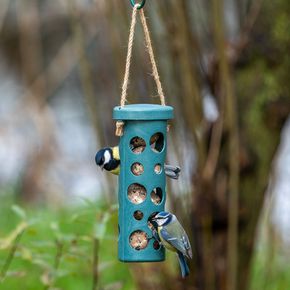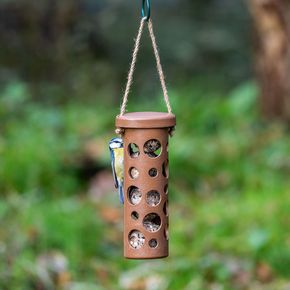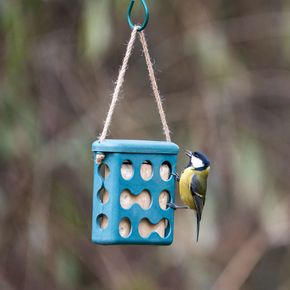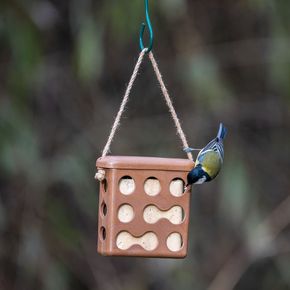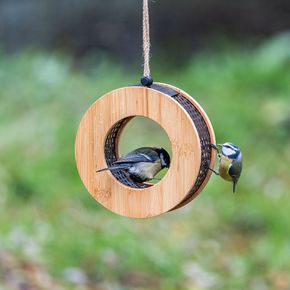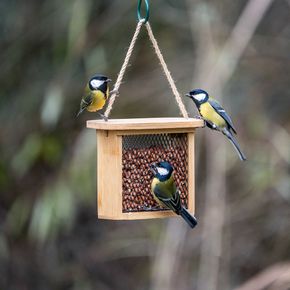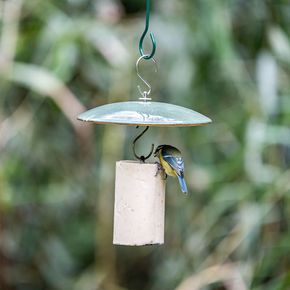
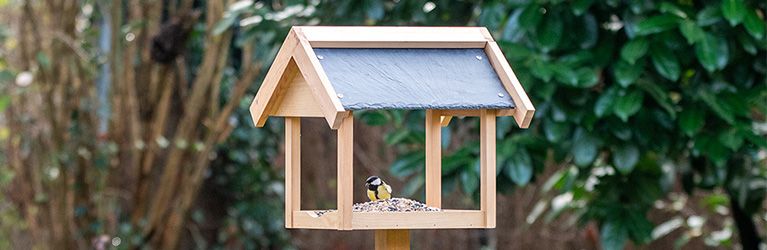
Birdhouses and feeders provide shelter and food for wild birds throughout the year. To keep your feathered visitors healthy, it’s essential to clean their shelters regularly. Here, you’ll learn when and how to clean birdhouses and feeders without harming the birds or the environment.
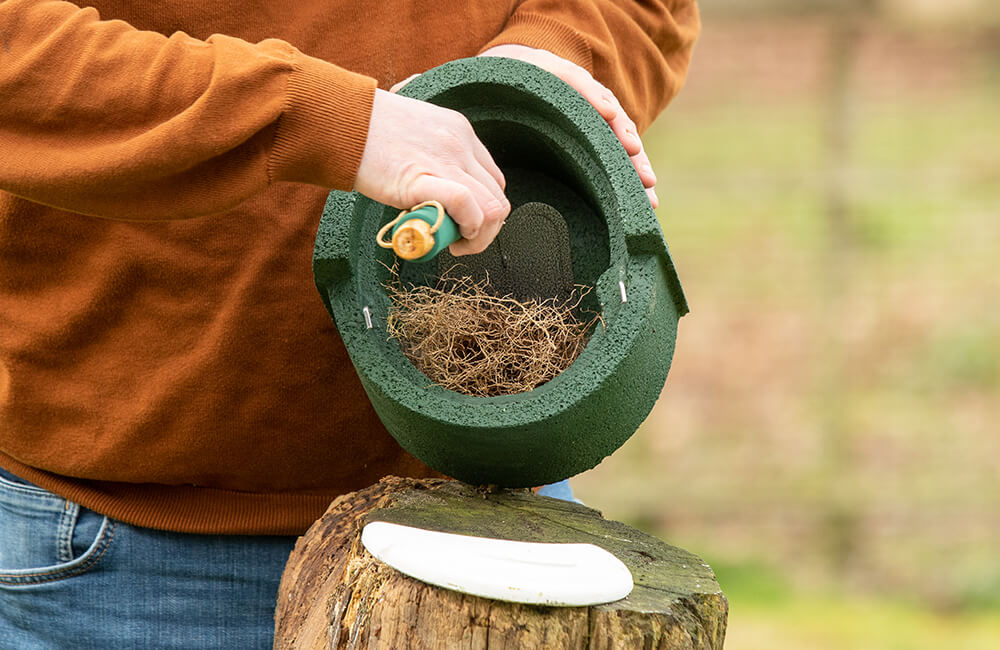
Why is cleaning so important?
Birds leave behind droppings, feathers, and food scraps in their nesting and feeding areas. Over time, these can become breeding grounds for harmful pathogens. The biggest risks include:
- Mold: Spoiled food and damp conditions encourage mold growth, which can cause respiratory issues in birds.
- Parasites: Mites, fleas, or feather lice can settle in old nests.
- Bacteria and viruses: Particularly at feeders, droppings and saliva can lead to the spread of diseases.
Regular cleaning reduces the risk of infections and helps maintain a healthy bird population in your garden.
When should you clean?
The best time to clean a birdhouse is after the breeding season, in late summer or autumn. If birds use the house for winter shelter, consider a second cleaning in early spring before the next breeding season.
Feeders, on the other hand, should be cleaned at least once a week—even more frequently in summer, as warm and humid weather accelerates bacterial growth.
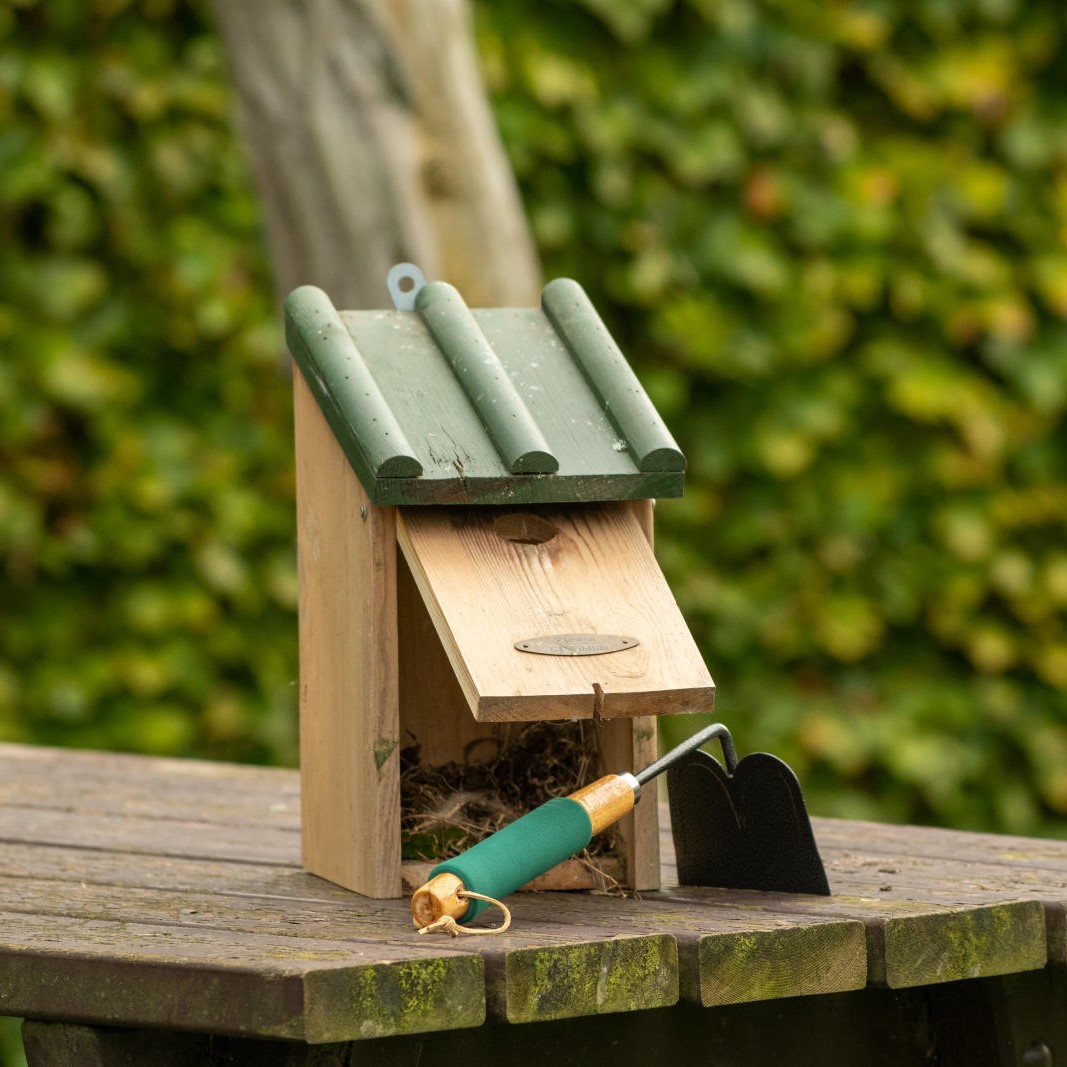
How to clean a birdhouse
- Empty the birdhouse
Remove old nests, feathers, and other debris. Wear gloves to avoid direct contact with droppings or parasites.
- Brush out dry dirt
Use a stiff brush to remove dust and loose dirt. Be sure to clean all corners and edges thoroughly.
- Wash with hot water and vinegar
Use a mixture of hot water and vinegar (1:1) or a mild, eco-friendly soap. Avoid chemical cleaners, as they can be harmful to birds.
- Rinse with clean water
Thoroughly rinse the birdhouse to remove any residue.
- Let it dry completely
Allow the house to air dry before hanging it back up. Moist conditions encourage mold growth, so make sure it's completely dry.
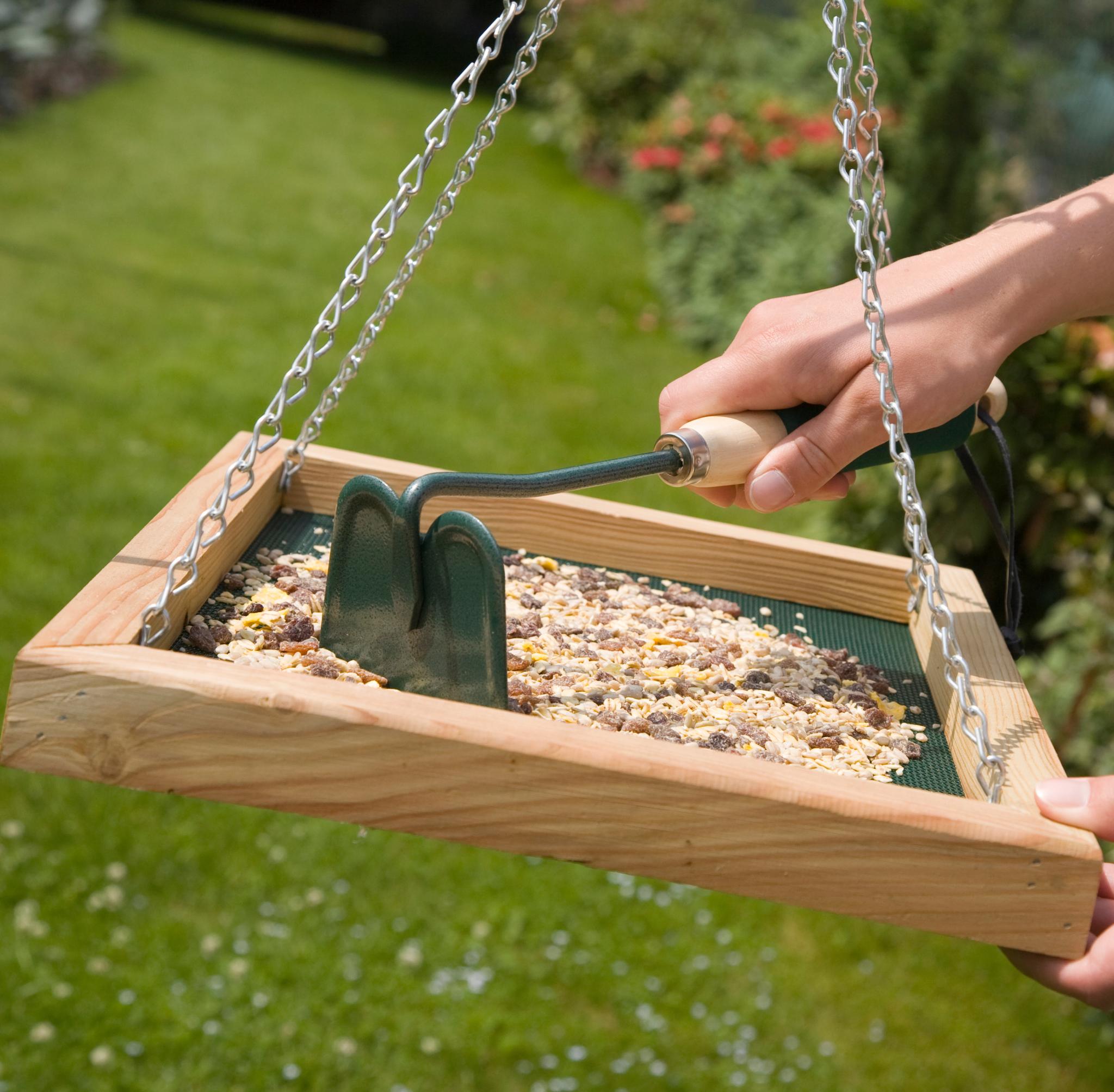
How to clean a bird feeder
- Dispose of old food
Empty out any old seeds or food scraps. If the food is damp or clumped together, discard it immediately.
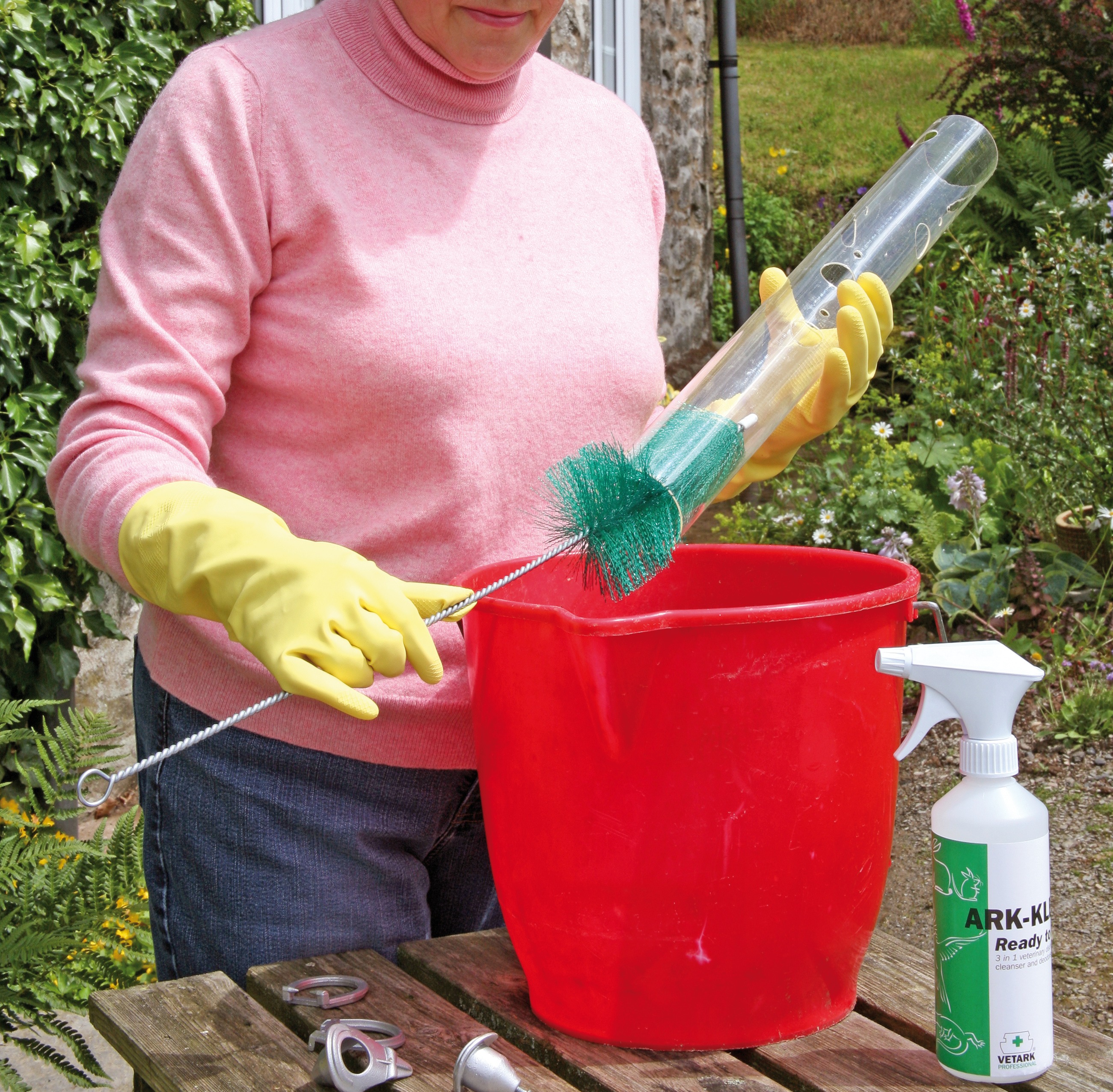
- Scrub with hot water and a brush
Scrub the feeder with a brush and hot water.
- Allow to dry completely
Before refilling, make sure the feeder is completely dry to prevent mold.
Tips for maintaining a hygienic bird environment
- Daily checks: Remove leftover or damp food every day.
- Set up multiple feeding stations: This reduces overcrowding and minimizes disease transmission.
- Clean water sources: Birdbaths should be cleaned daily.
- Use high-quality food: Choose fresh, high-quality bird food to avoid mold and spoilage.

Regular cleaning of birdhouses and feeders is essential to prevent diseases and provide birds with a safe environment. Using simple cleaning solutions, you can effectively maintain your bird shelters. By doing so, you’ll support the health of wild birds and continue to enjoy their presence in your garden.