Bird-window collisions are a major problem, causing the deaths of birds each year. Birds often fail to recognize glass as a barrier, leading to fatal impacts. Fortunately, there are effective ways to prevent these accidents. Below, we explore why birds hit windows and what you can do to make your home safer for them.
Why do birds fly into windows?
Birds don’t perceive glass the same way humans do. Here are the main reasons why they collide with windows:
-
Reflection of the sky and trees
Birds often mistake reflections in glass for open sky or a safe landing area.
-
Transparent passages
If windows are aligned (e.g., at opposite ends of a building), birds may try to fly through, believing there’s an open path.
-
Lights at night
Artificial lights, especially in tall buildings, attract and disorient nocturnal migratory birds.
-
Territorial behavior
Some birds, such as robins and cardinals, see their reflection in the glass and attack it, believing it to be a rival.
How to prevent bird collisions
The good news is that you can make your windows bird-friendly with a few simple adjustments.
1. Use window decals or patterns
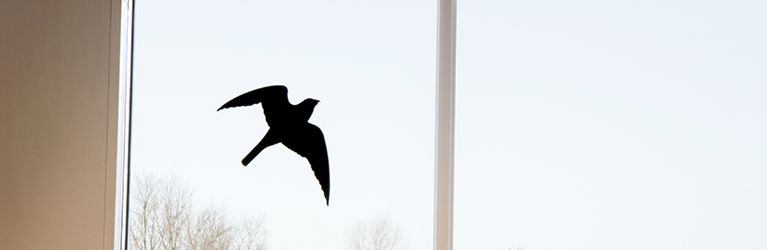
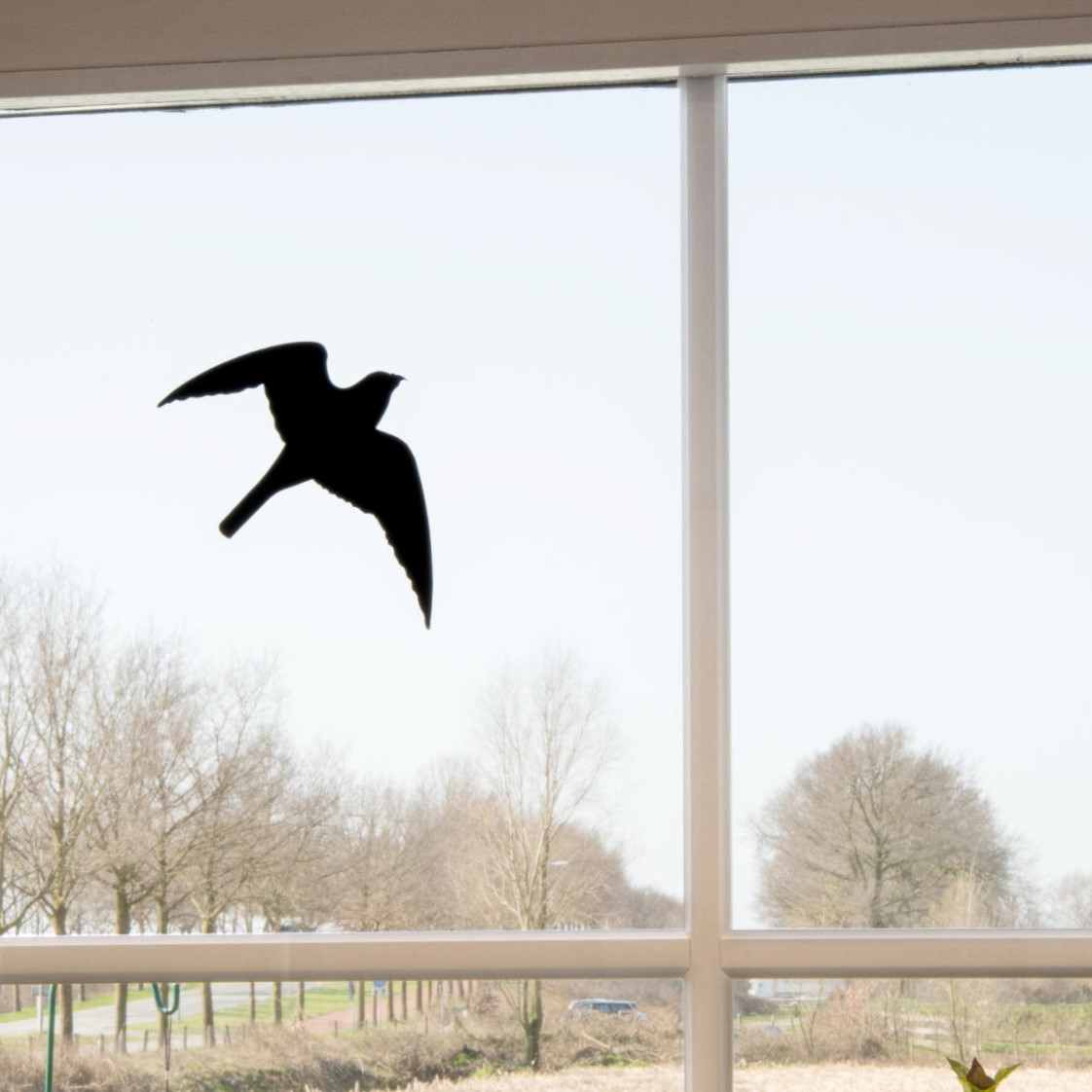
Applying stickers, decals, or special tape in a dense pattern (no more than 5 cm apart) breaks up reflections and makes windows visible to birds. Products like UV-reflective decals are nearly invisible to humans but highly visible to birds.
2. Install external screens or netting
Mosquito screens, bird-safe netting, or fine mesh outside the window create a visible barrier and cushion any impact.
3. Apply window films
Bird-friendly window films reduce reflections and transparency, making the glass easier for birds to see.
4. Close blinds or curtains
Keeping blinds partially closed can help break up reflections and prevent birds from seeing through to another window.
5. Move bird feeders closer to windows
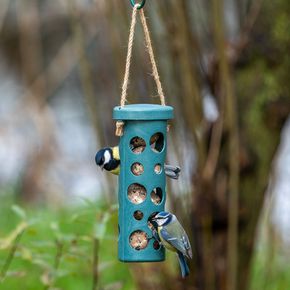
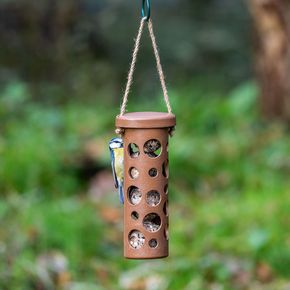
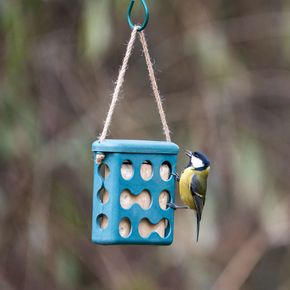
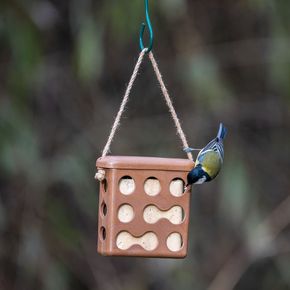
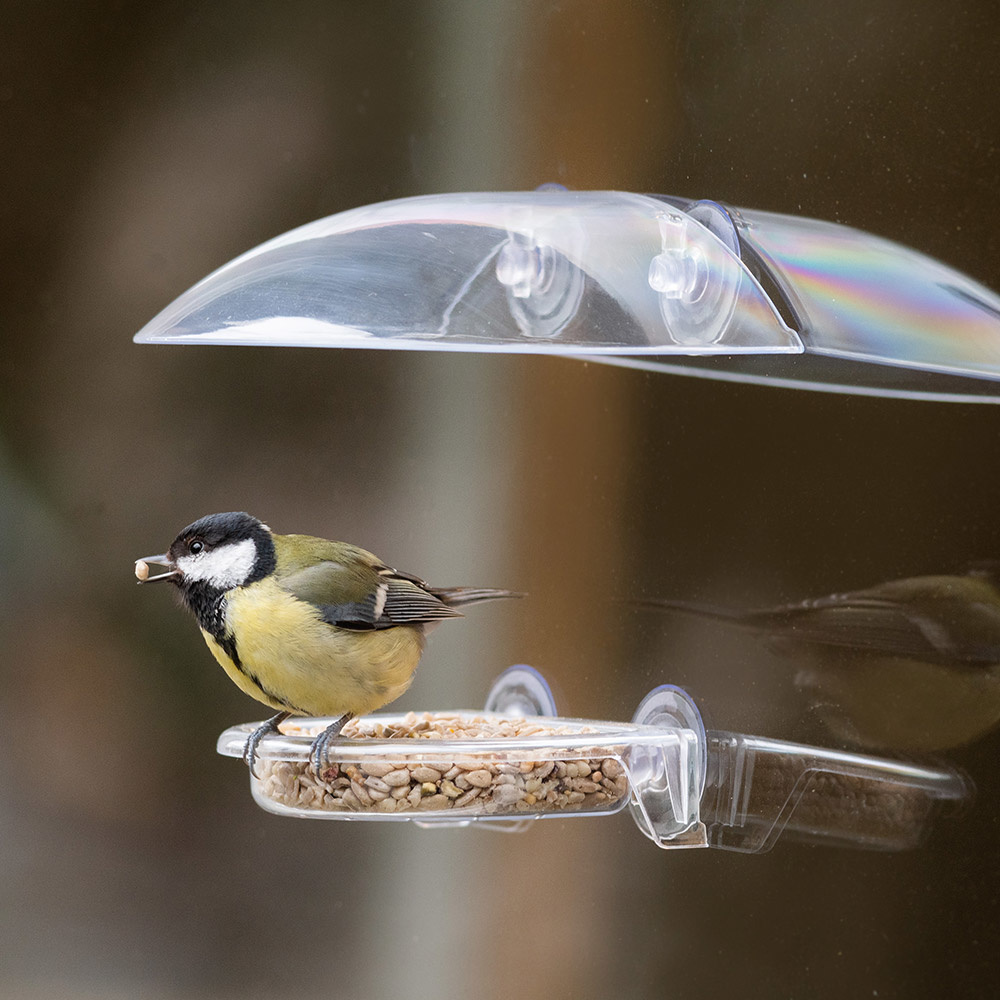
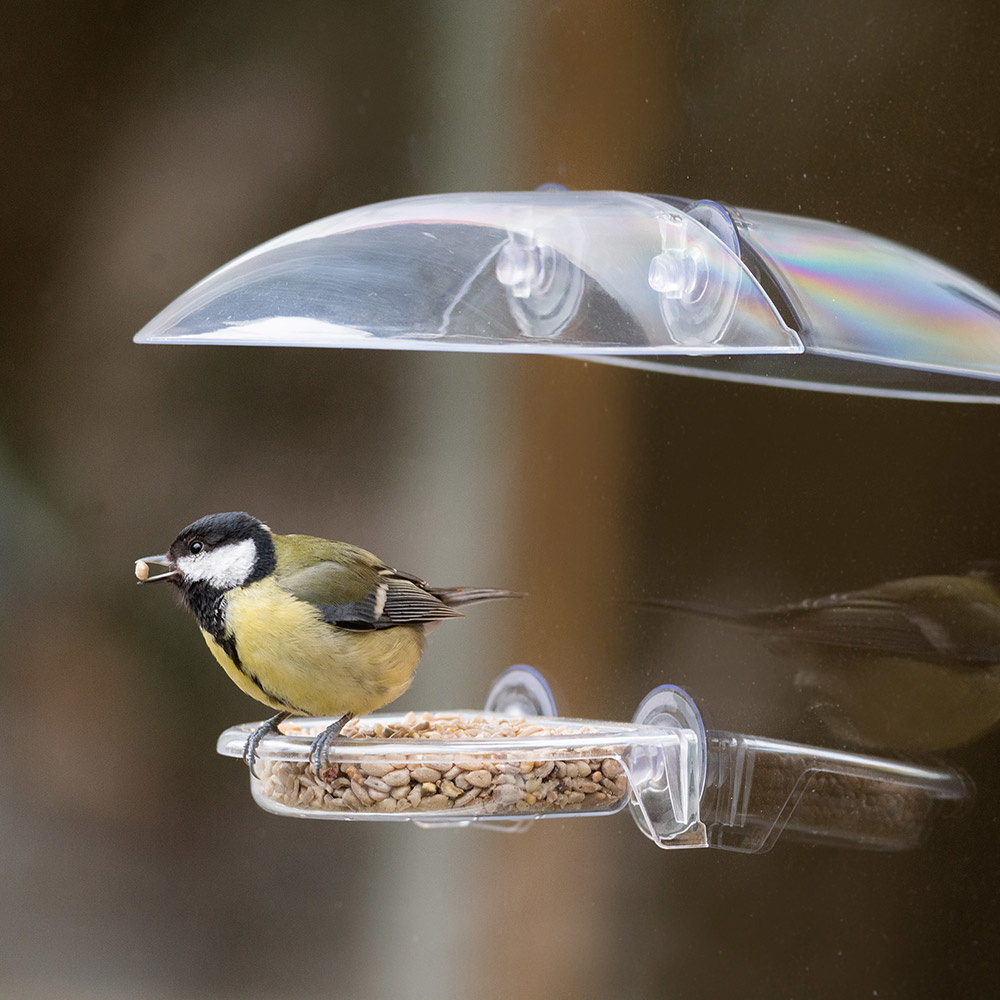
If you have bird feeders, place them within 1 meter of the window. This reduces the risk of high-speed collisions, as birds won’t gain enough momentum.
6. Use external shading or window markers
Awnings, shutters, or even painting patterns on the glass with soap can help birds recognize the window as a solid barrier.
7. Reduce nighttime lighting
For homes and businesses, turn off unnecessary lights at night, especially during migration seasons. Warm-colored bulbs (red or orange) are less attractive to birds.
What to do if a bird hits your window
If a bird collides with your window and appears stunned:
-
Observe from a distance – Many birds recover after a few minutes.
-
Gently move the bird to safety – If it’s in danger from predators, place it in a shaded, quiet area.
-
Use a small box with air holes – If the bird is unconscious, carefully place it in a ventilated box and keep it warm.
-
Seek help if necessary – If the bird doesn’t recover within an hour, contact a wildlife rehabilitation center.
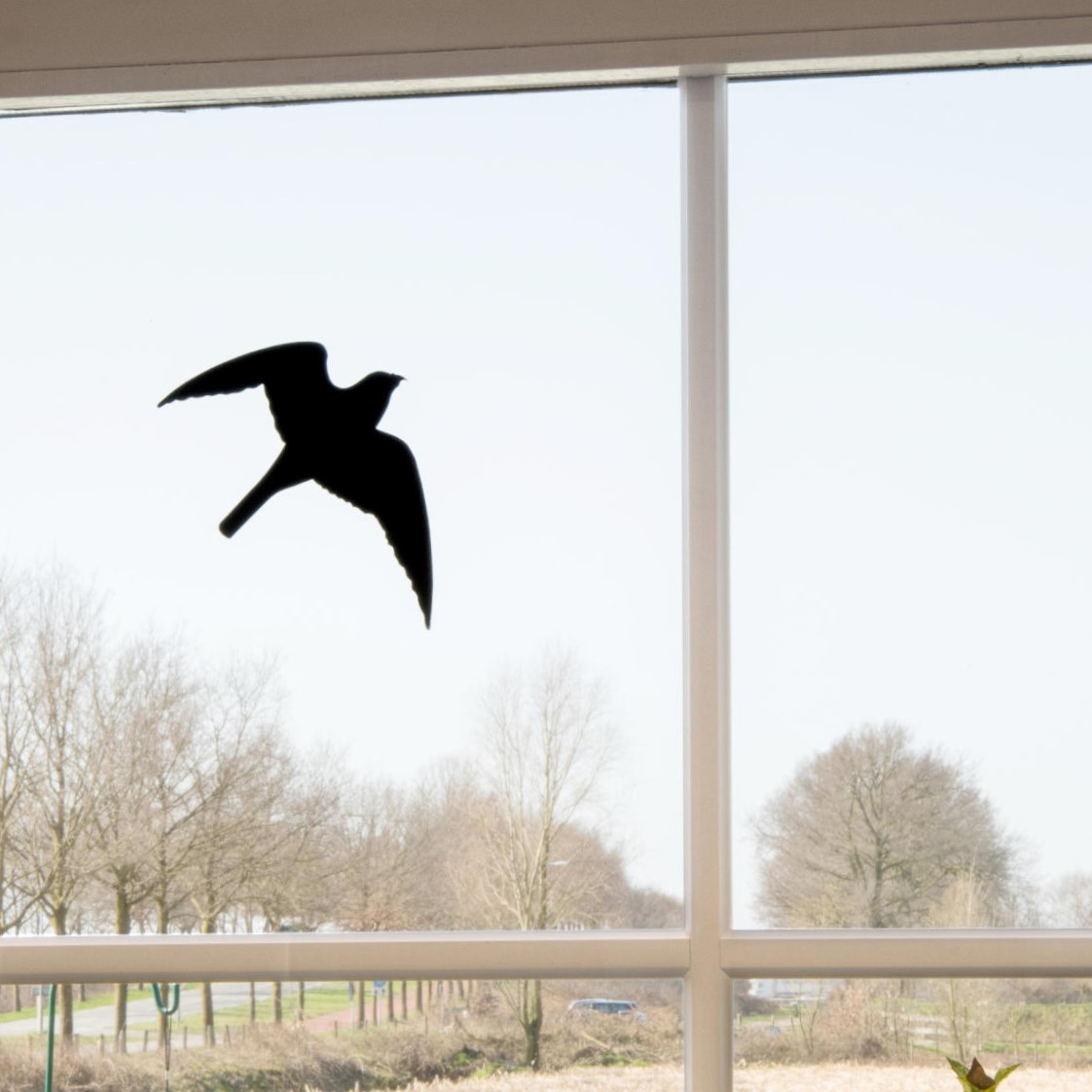
Make your home a safe haven for birds
By taking a few simple steps, you can make a significant difference in preventing bird-window collisions. Whether through decals, screens, or thoughtful feeder placement, every action helps protect birds and promote biodiversity.