Mealworms are a popular and nutritious food source for many bird species. Packed with protein, they provide essential energy, especially during breeding season and colder months. Whether live or dried, mealworms attract a wide range of birds to gardens and feeding stations. We’ll explore which birds enjoy mealworms and how to offer them effectively.
Why are mealworms good for birds?
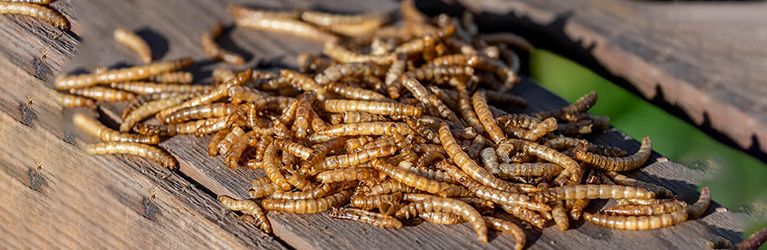
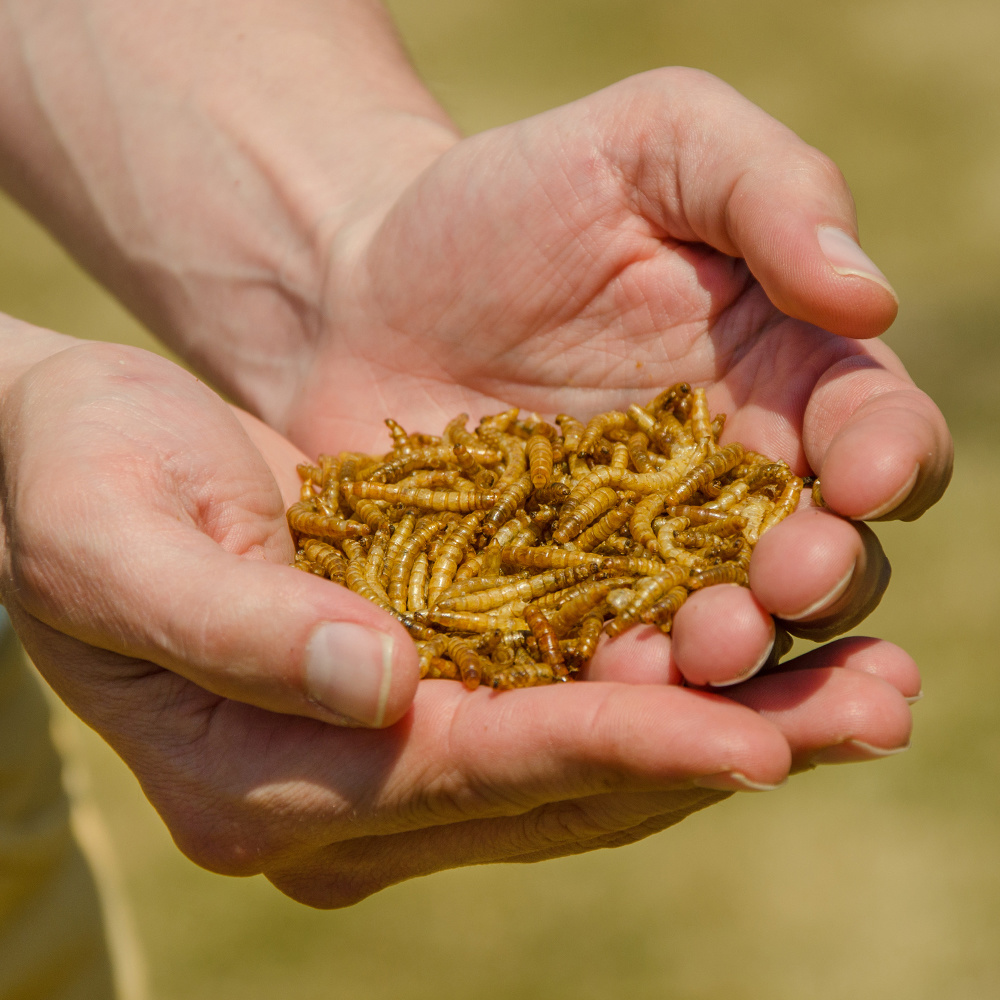
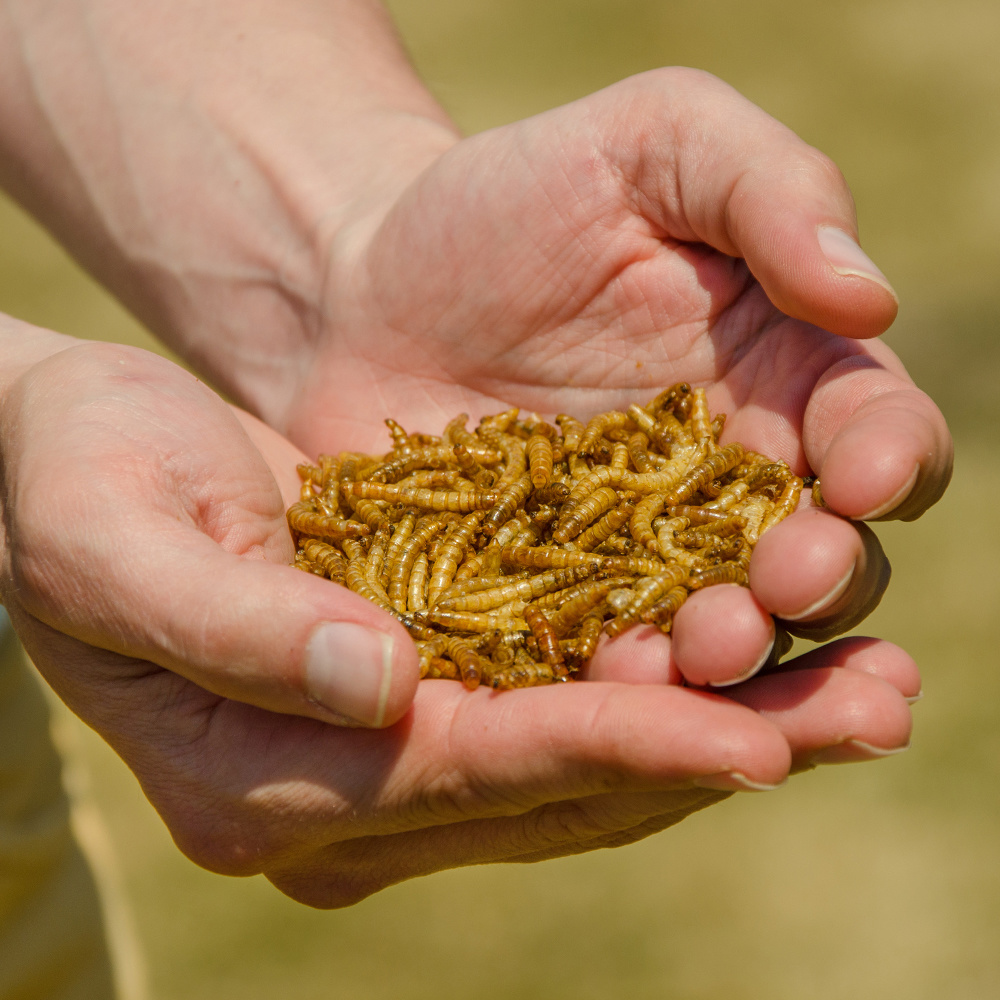
Mealworms are the larvae of the darkling beetle (Tenebrio molitor). They are rich in protein and fat, making them an excellent food source for birds, particularly:
-
During breeding season – Parents need high-energy food to feed their chicks.
-
In winter – Insect availability is low, so mealworms supplement natural food sources.
-
For migrating birds – Extra protein helps them prepare for long journeys.
Both live and dried mealworms are suitable for birds. Live mealworms are closer to a bird’s natural diet, while dried mealworms are easier to store and handle.
Which birds eat mealworms?
Many bird species enjoy mealworms. Here are some of the most common ones:
1. Robins (Erithacus rubecula)
Robins love mealworms and will often become regular visitors to your garden if you provide them. They prefer live mealworms placed on a feeding tray or ground feeder.
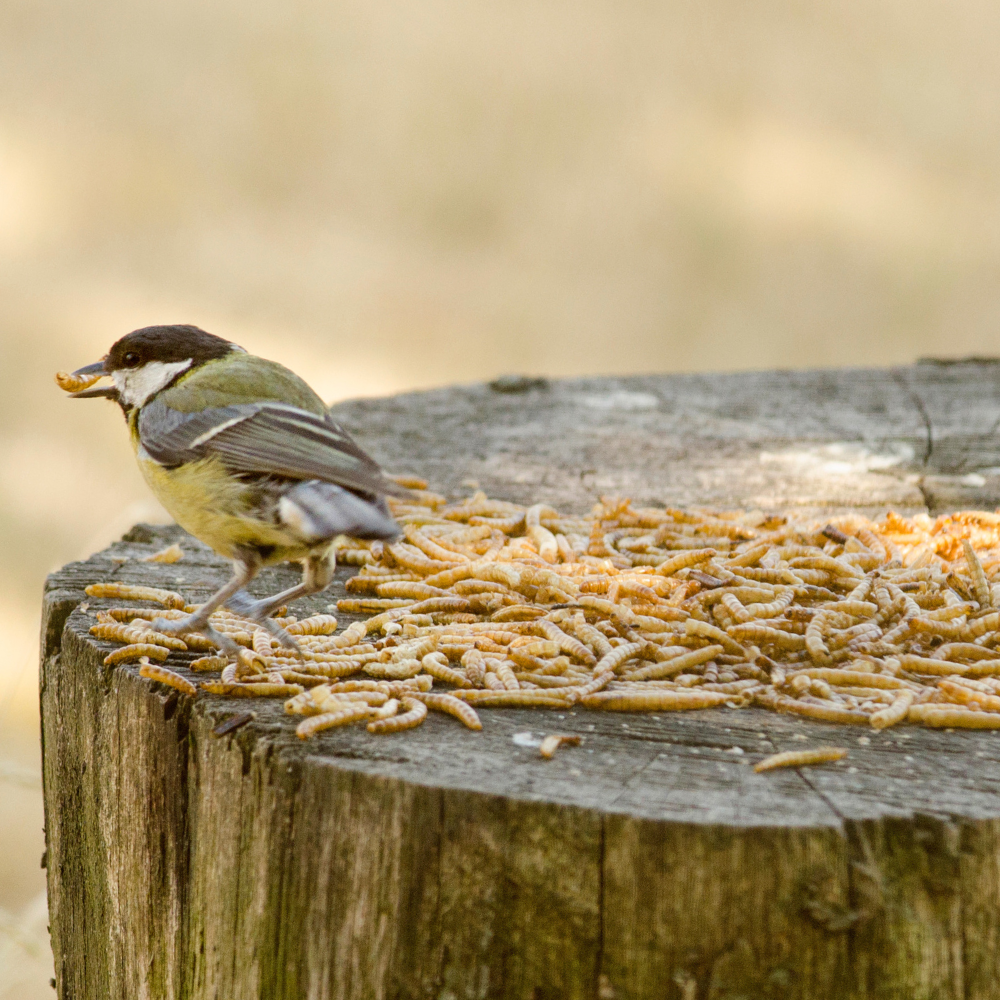
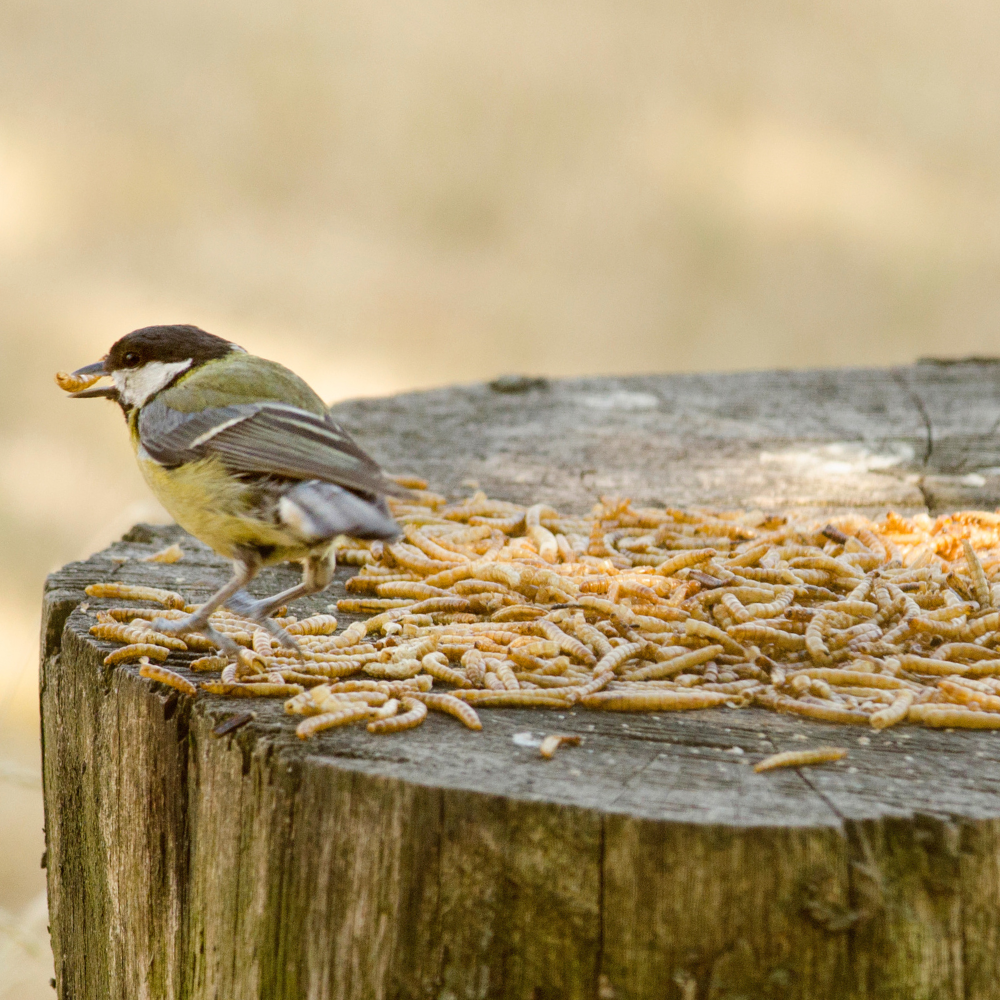
2. Blue Tits and Great Tits (Cyanistes caeruleus & Parus major)
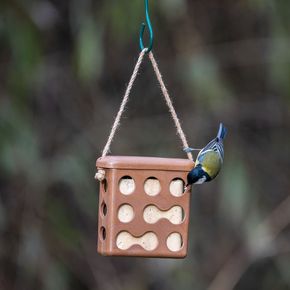
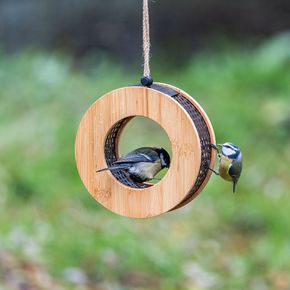
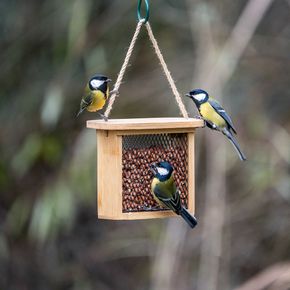
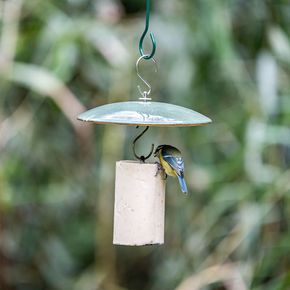
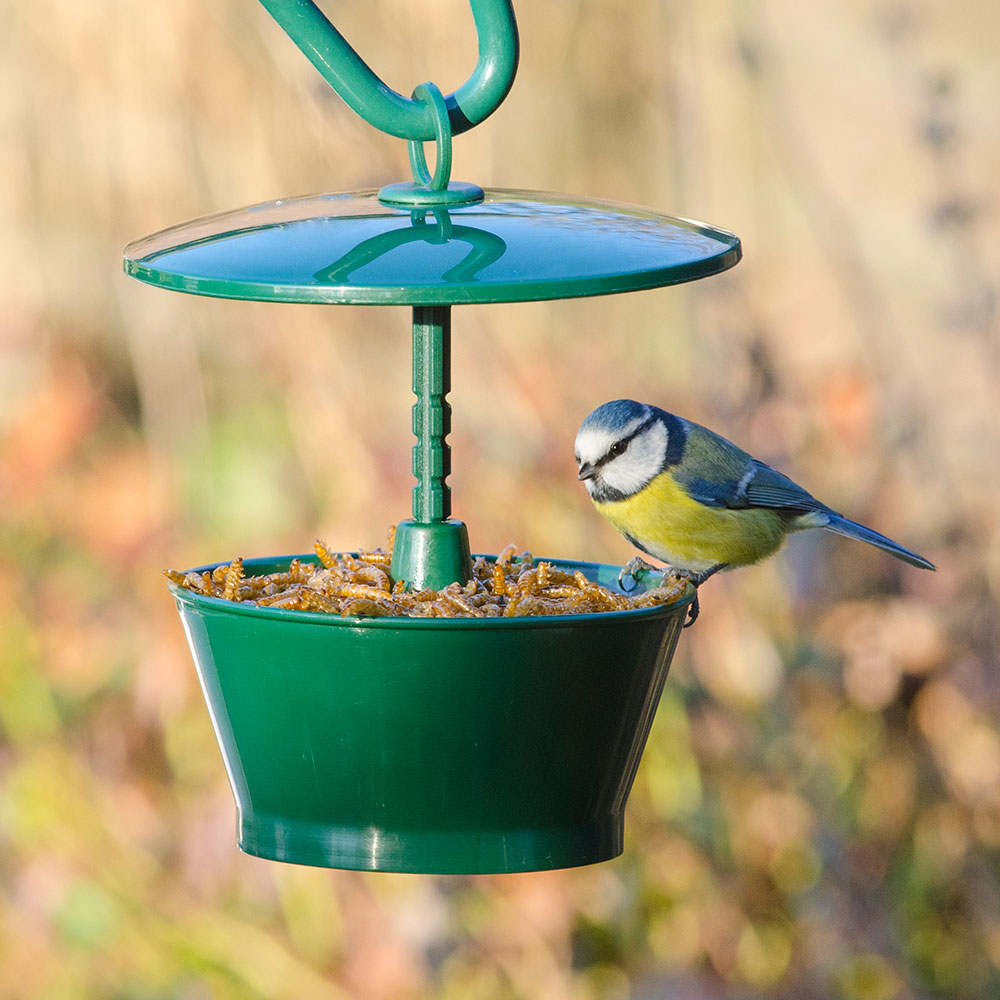
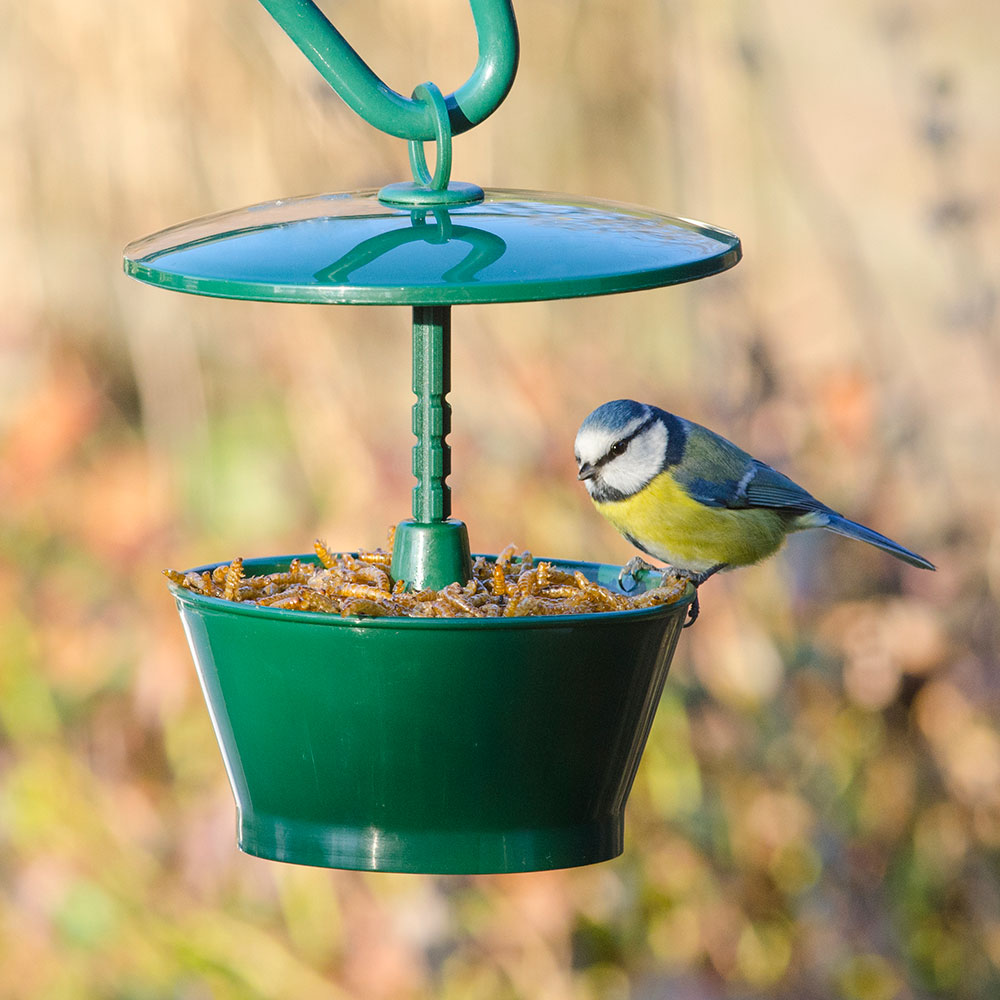
Both species benefit from mealworms, especially when feeding their young. They will take mealworms from feeders and tables.
3. Blackbirds (Turdus merula)
These ground-feeding birds enjoy mealworms, particularly in spring when they are raising chicks. They prefer mealworms scattered on the ground.
4. House Sparrows (Passer domesticus)
Sparrows are frequent visitors to feeders and enjoy mealworms as part of their varied diet.
5. Starlings (Sturnus vulgaris)
Highly social and vocal, starlings will eagerly consume mealworms, often in large numbers. If you have starlings in your area, they may quickly empty your feeder.
6. Wrens (Troglodytes troglodytes)
Despite their small size, wrens are keen insect-eaters and will happily take mealworms, especially in winter.
7. Dunnocks (Prunella modularis)
These shy ground-feeding birds prefer to pick up mealworms from low-level feeders or directly from the ground.
8. Thrushes (Turdidae family)
Song thrushes and mistle thrushes enjoy mealworms, especially during the breeding season. They often take them back to their nests to feed their chicks.
9. Nuthatches (Sitta europaea)
Nuthatches are frequent visitors to feeders and will readily eat mealworms, often storing them for later use.
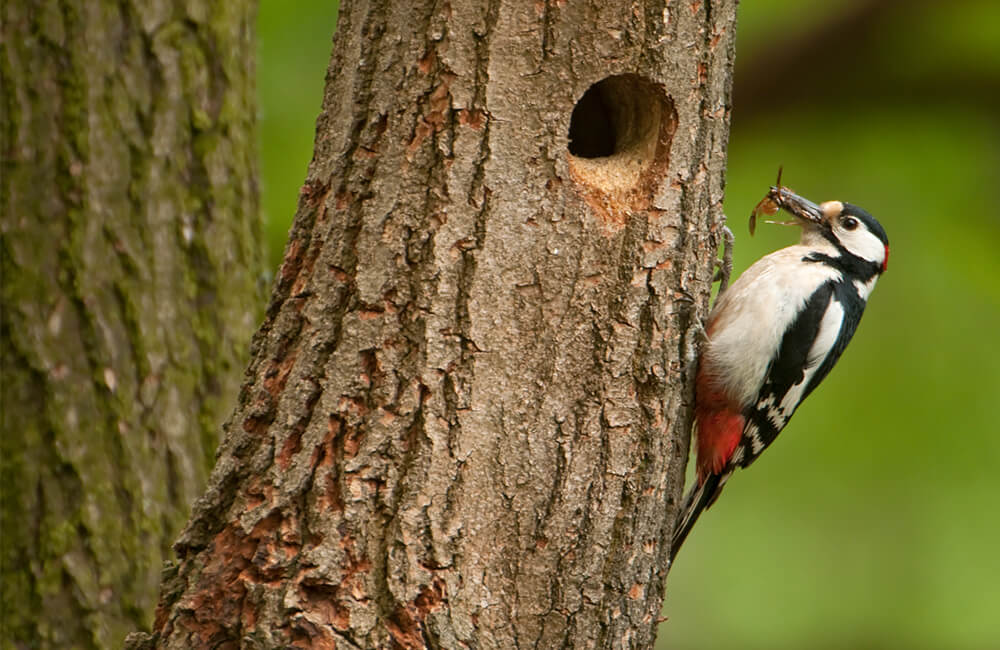
10. Woodpeckers (Picidae family)
Great spotted woodpeckers sometimes take mealworms, particularly in colder months when insects are scarce.
How to offer mealworms to birds
There are several ways to provide mealworms to garden birds:
-
On bird tables – A simple and effective way to offer mealworms.
-
In ground feeders – Ideal for birds like blackbirds and robins.
-
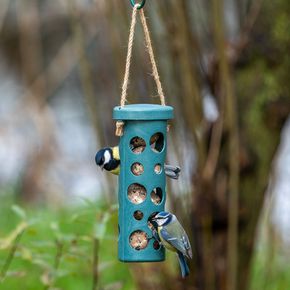
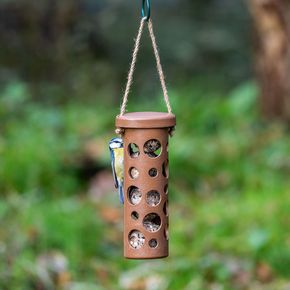
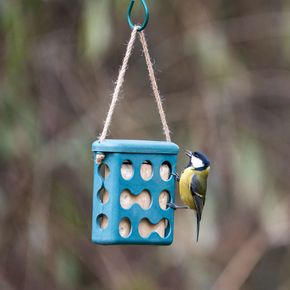
In mealworm feeders – Specially designed feeders keep mealworms contained and easy for birds to access.
-
In a dish or tray – Keeps mealworms in one place and makes it easier for birds to find them.
-
Scattered on the ground – Suitable for ground-feeding birds but may also attract unwanted visitors like rodents.
If using dried mealworms, soak them in warm water for 10–20 minutes before feeding. This makes them softer and more appealing to birds, especially for feeding chicks.
Make your garden a haven for insect-eating birds
By offering mealworms, you can attract a variety of bird species to your garden and support their nutritional needs. Whether you choose alive or dried mealworms, providing this high-protein food will help birds thrive throughout the year.
Looking for high-quality mealworms? Explore our selection to keep your garden birds well-fed!