Birds build nests using a variety of materials, carefully selecting each component to ensure warmth, protection, and stability for their eggs and chicks. Understanding what birds use to construct their nests can help us support them by providing safe and suitable materials.
Here, we explore the different nesting materials birds rely on and how you can create a bird-friendly environment in your garden.
Natural nesting materials
Birds instinctively gather materials from their surroundings to build secure nests. Here are some of the most common natural materials they use:
1. Twigs and small sticks
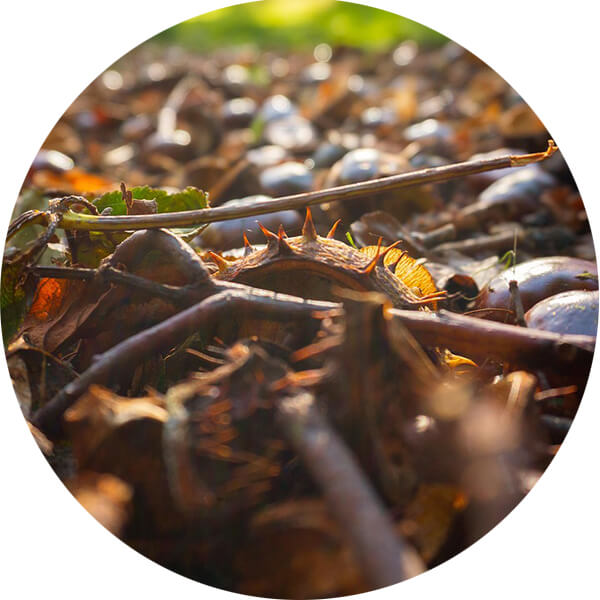
Birds instinctively gather materials from their surroundings to build secure nests. Here are some of the most common natural materials they use:
2. Grass and leaves
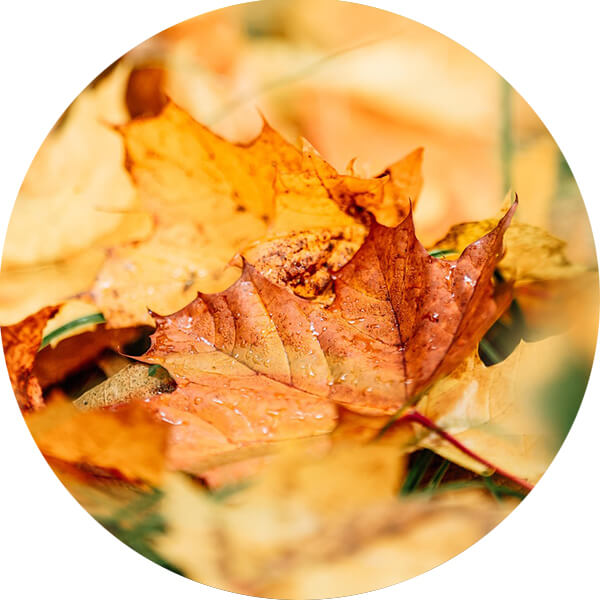
Birds instinctively gather materials from their surroundings to build secure nests. Here are some of the most common natural materials they use:
3. Moss and lichen
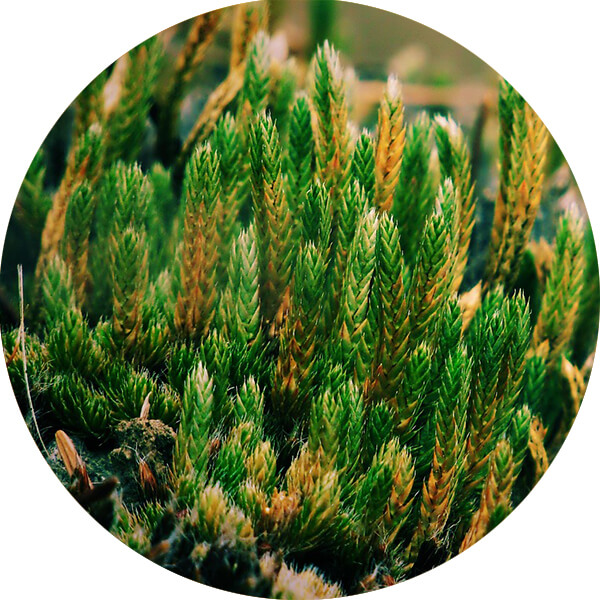
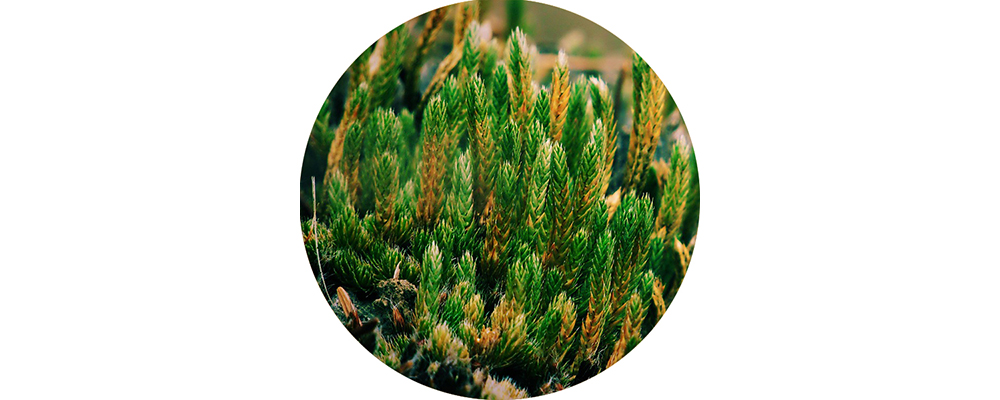
Moss and lichen are excellent insulators, keeping nests warm and hidden from predators. Wrens and chickadees frequently use these materials to blend their nests into natural surroundings.
4. Feathers and fur
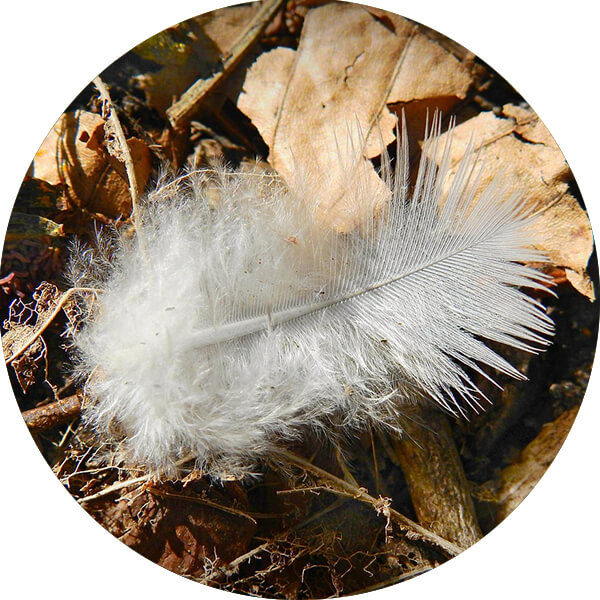
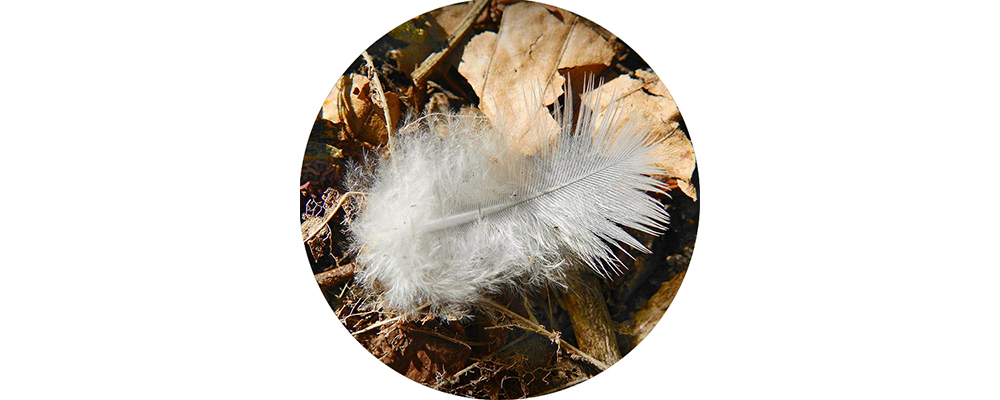
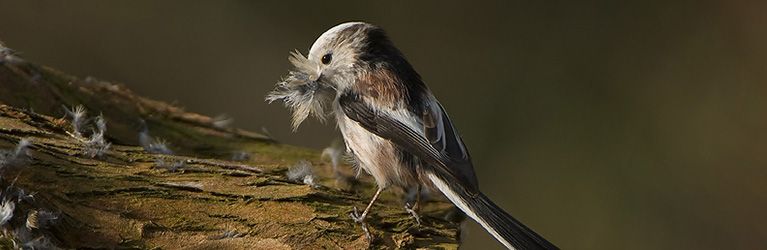
To add extra warmth and softness, birds often line their nests with feathers or animal fur. Swallows and doves, for example, use feathers to keep their young cozy.
5. Mud
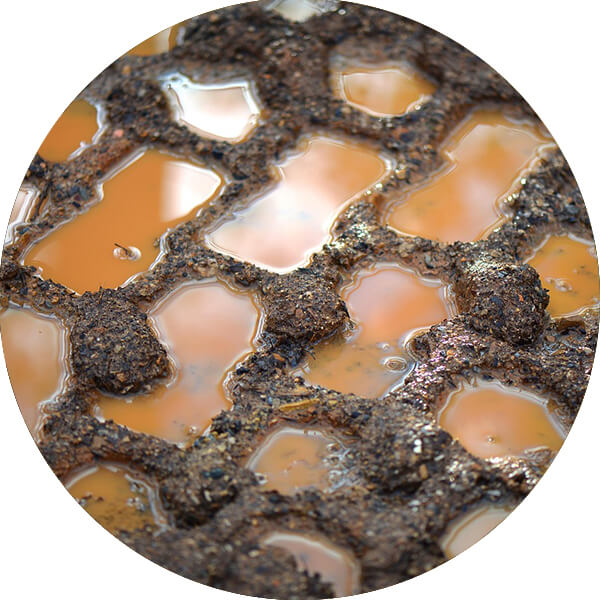
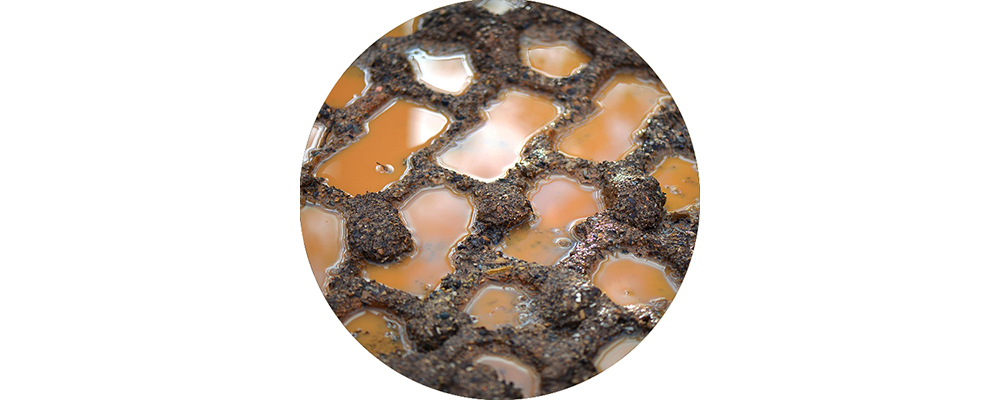
Some birds, like swallows and robins, use mud as a natural adhesive to strengthen their nests. It helps hold twigs and grasses together, creating a more durable structure.
6. Bark and pine needles
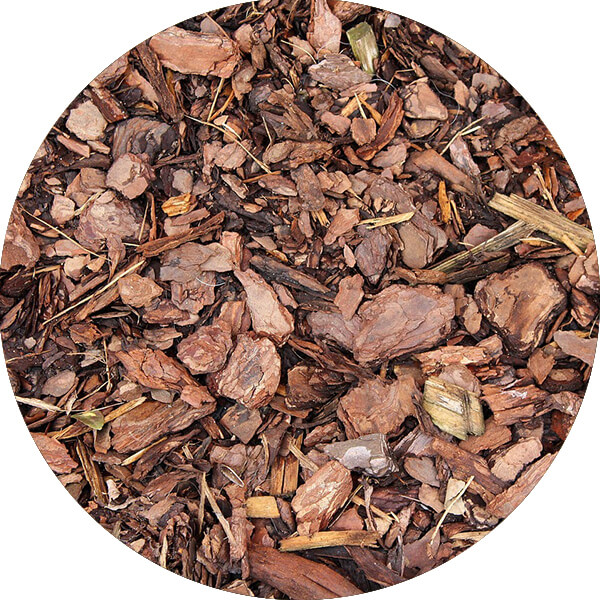
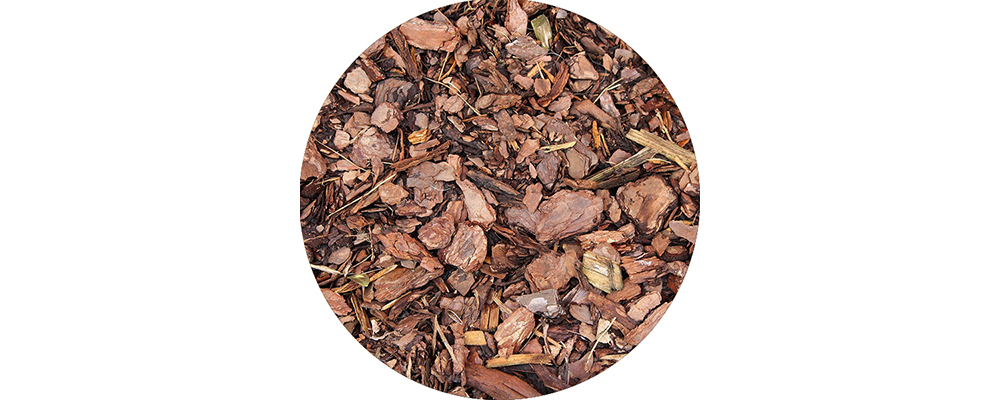
Bark strips and pine needles add extra insulation and camouflage. Some birds, such as woodpeckers and crossbills, prefer these materials to line their nest cavities.
Man-made nesting materials
While birds primarily use natural materials, they sometimes incorporate human-made items as well. Here are a few examples:
- Cotton and wool scraps
Soft fibers like cotton or natural wool can be useful for nest lining. However, avoid synthetic fibers, as they can tangle around birds' legs.
- Pet hair (natural fibers only)
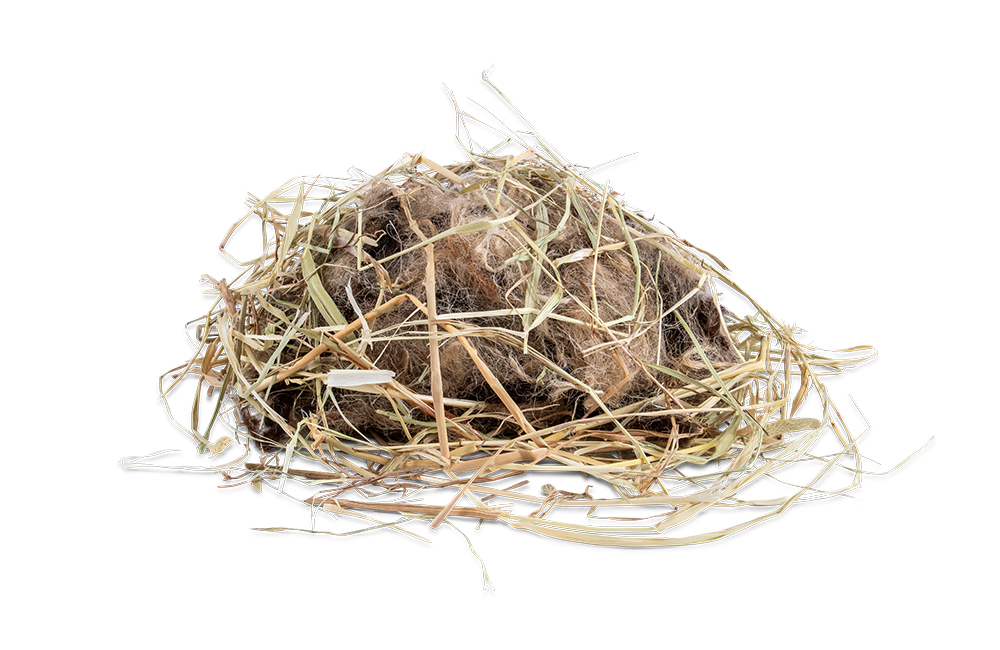
Hair from dogs, horses, or rabbits can provide a warm nest lining. Make sure it is clean and free from chemicals like flea treatments.
- Shredded paper strips
Unbleached, chemical-free paper can be a good substitute for dried grass. Birds sometimes use it when natural alternatives are scarce.
How to help birds with nesting materials
You can support nesting birds by leaving natural materials available in your garden. Here are a few tips:
- Leave small piles of twigs, grass, and leaves in a sheltered spot.
- Provide a mud source by keeping a shallow dish of water in dry weather.
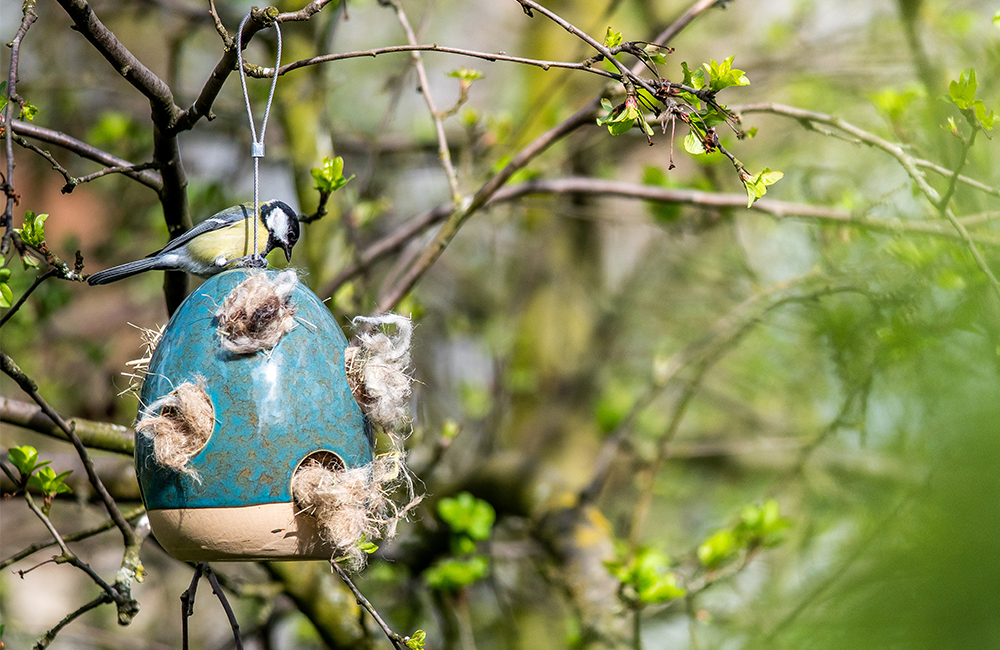
- Hang a mesh bag filled with untreated pet hair, feathers, or wool.
- Avoid using pesticides and chemicals in your yard to keep nesting materials safe.
By offering safe, natural materials, you can help birds build secure nests for the next generation. Whether you have a small balcony or a large garden, every effort counts in making your outdoor space more bird-friendly.