
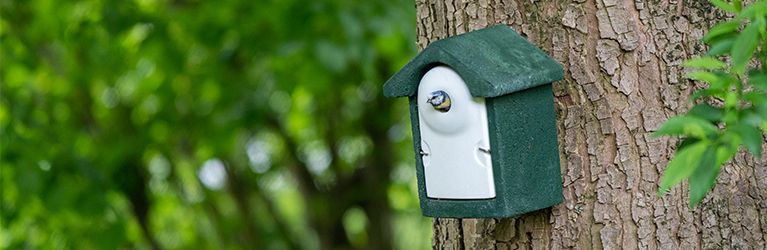
Let’s explore the best time to install a birdhouse and some key tips to maximize its success.
Best time to put up a birdhouse
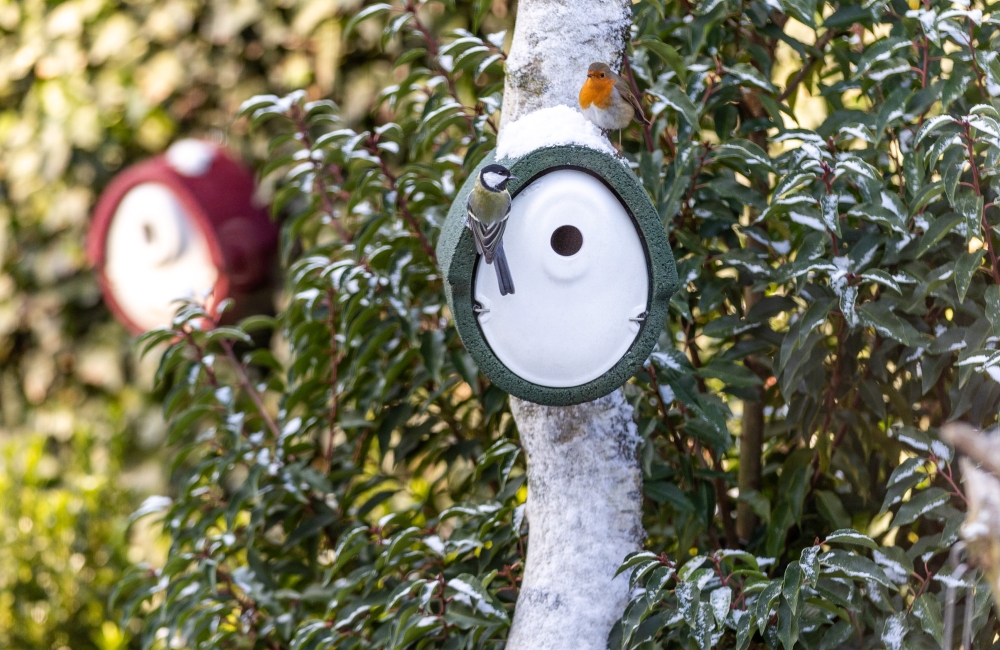
1. Late winter to early spring (ideal for nesting birds)
The best time to put up a birdhouse is before the nesting season begins, which varies by region but generally starts in early spring (March – April). Many cavity-nesting birds, like chickadees, bluebirds, and wrens, begin searching for nesting sites as soon as temperatures rise and food sources become more available.
If you put up a birdhouse too late in the season, birds may have already chosen their nesting spots. Installing it by late winter (January – February) increases the chances of attracting early nesters.
2. Fall and winter (for shelter & early selection)
Even outside the breeding season, birdhouses can provide important shelter from cold temperatures and harsh weather. Some birds, like nuthatches and woodpeckers, may roost in nest boxes during winter to stay warm.
Installing a birdhouse in autumn (September – November) allows birds to discover and inspect it well before the next nesting season. Some species prefer to claim their nesting sites months in advance.
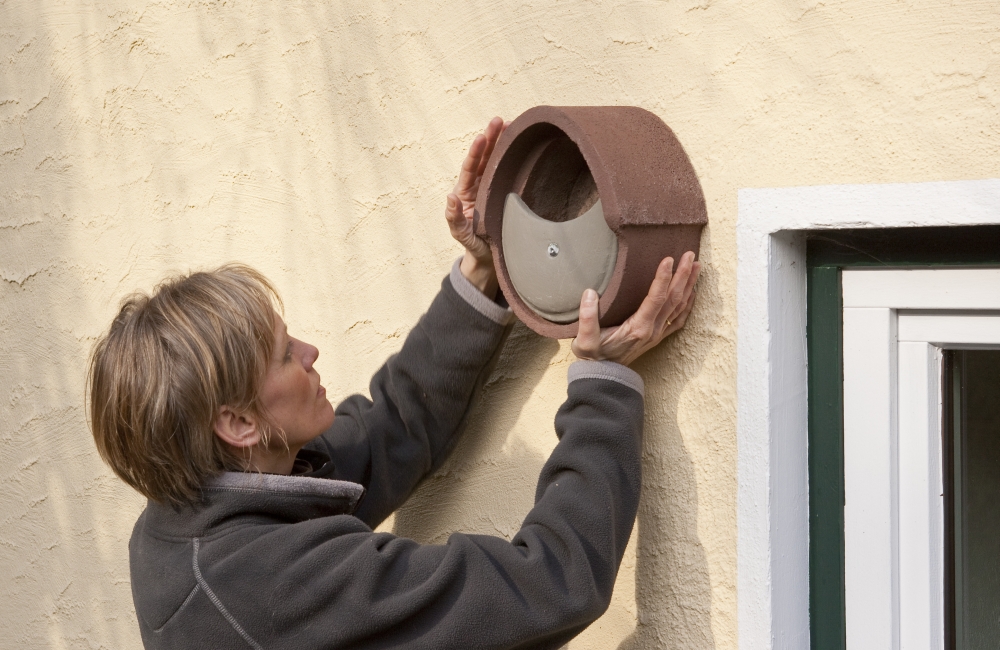
3. Year-round use
While the nesting season is the primary reason for putting up a birdhouse, these structures can also serve as safe spaces for birds to rest, hide from predators, or escape extreme weather throughout the year.
If a birdhouse remains unused during the spring and summer, don’t remove it - it may still be used for shelter in the colder months.
Tips for installing a birdhouse successfully
- Choose the right location: Place the birdhouse in a quiet, sheltered area away from busy walkways and potential predators like cats and squirrels.
- Mount it at the right height: Different birds prefer different heights: small songbirds like chickadees and wrens prefer 1.5–3 meters above the ground, while owls and woodpeckers need higher placement.
- Face the entrance away from harsh weather: Position the entrance facing east or southeast to avoid direct sun, strong winds, and heavy rain.
- Provide natural cover but keep the entrance clear: Nearby trees and shrubs offer protection, but make sure no branches block the entrance.
- Use the right birdhouse design: The hole size and dimensions should match the species you want to attract. For example, a 28mm entrance suits blue tits, while a 32mm hole is ideal for great tits.
- Clean it out annually: At the end of each breeding season (late summer or early autumn), clean the birdhouse to remove old nesting material and prevent parasites.
The best time to put up a birdhouse is before the nesting season begins in early spring, but installing it in autumn or winter can also be beneficial for roosting birds. No matter when you set it up, placing the birdhouse in the right location and maintaining it properly will increase the chances of birds moving in.
Want to attract more birds to your garden? Check out our range of high-quality birdhouses, feeders, and wildlife-friendly plants to create a thriving bird habitat!