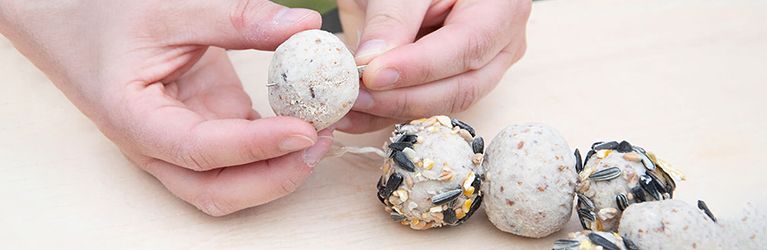
Fat balls are an excellent source of energy for birds, especially during the colder months when natural food sources are scarce. Making them yourself is not only easy but also allows you to control the ingredients, ensuring they are safe and nutritious for your garden birds.
We will explain how to make fat balls at home, what ingredients to use, and the best way to offer them to birds.
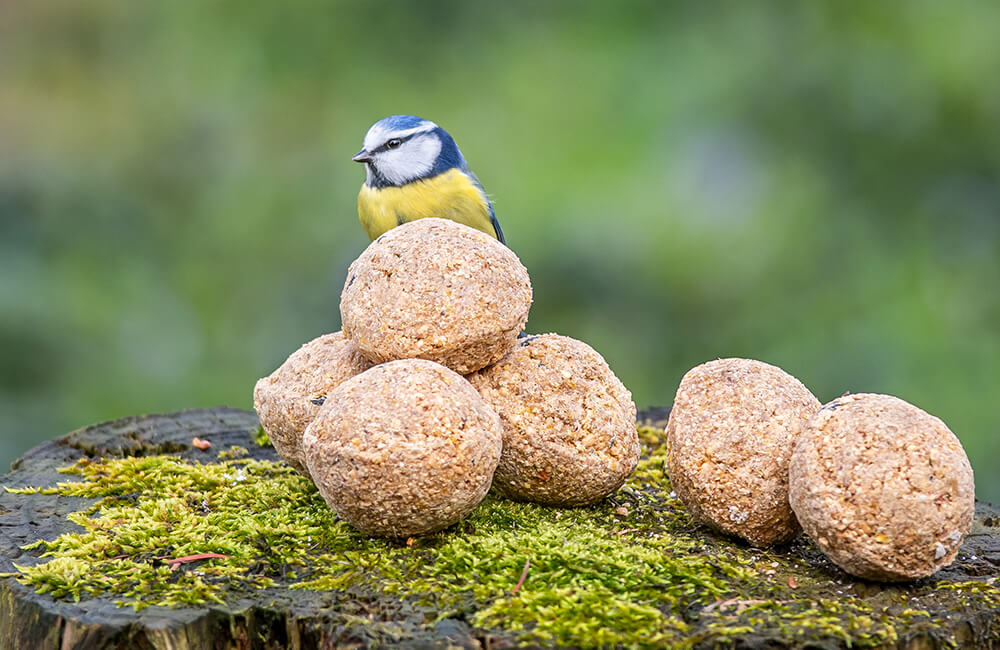
Why are fat balls important for birds?
Fat balls provide birds with essential nutrients, including fat, protein, and carbohydrates, which help them maintain energy levels, especially in winter. They are particularly beneficial for small birds such as tits, robins, and finches, which need high-energy food to stay warm.
Unlike some commercial fat balls that may contain low-quality fats or fillers, homemade fat balls ensure that birds receive high-quality nutrition without unnecessary additives.
What do you need to make fat balls?
Basic ingredients:
- Fat (suet or lard) – Essential for binding the ingredients and providing energy.
- Birdseed mix – A variety of seeds ensures a diverse nutrient intake.
- Oat flakes – A good source of carbohydrates.
- Chopped nuts (unsalted) – Provide protein and healthy fats.
- Dried fruits (raisins, currants, or chopped apples) – A natural source of sugar and vitamins.
Optional additions:
- Sunflower seeds – Rich in healthy oils.
- Mealworms – A great protein boost, especially for insect-eating birds.
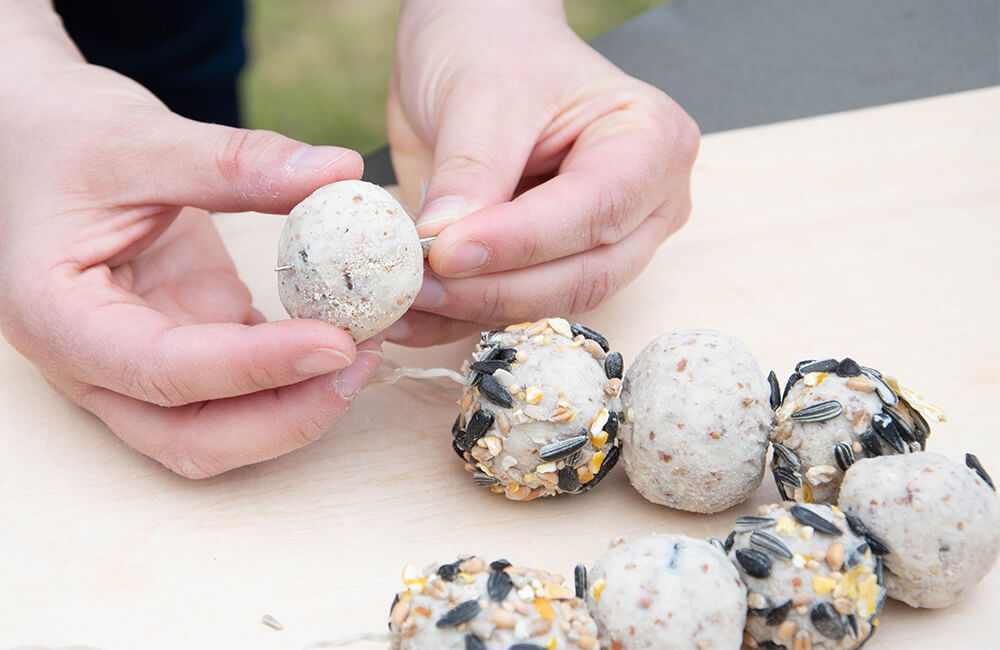
We sell our raw suet mass as an own product, which gives you a headstart in your fat ball production. Click here:
Step-by-step guide to making fat balls
- Melt the fat
Gently heat the suet or lard in a pan over low heat until it becomes liquid. Do not let it boil, as this can change its texture and nutritional value.
- Mix the dry ingredients
In a large bowl, combine the birdseed mix, oat flakes, chopped nuts, dried fruits, and any other additions. Stir well to distribute the ingredients evenly.
- Add the melted fat
Carefully pour the melted fat into the bowl, stirring continuously until all the dry ingredients are coated and the mixture starts to stick together.
- Shape the fat balls
Let the mixture cool slightly until it is firm enough to handle but still malleable. Shape it into small balls using your hands. If you prefer, you can press the mixture into molds or yogurt pots to create different shapes.
- Let them harden
Place the fat balls on a tray lined with parchment paper and leave them in the refrigerator for a few hours until they are completely solid.
How to offer fat balls to birds
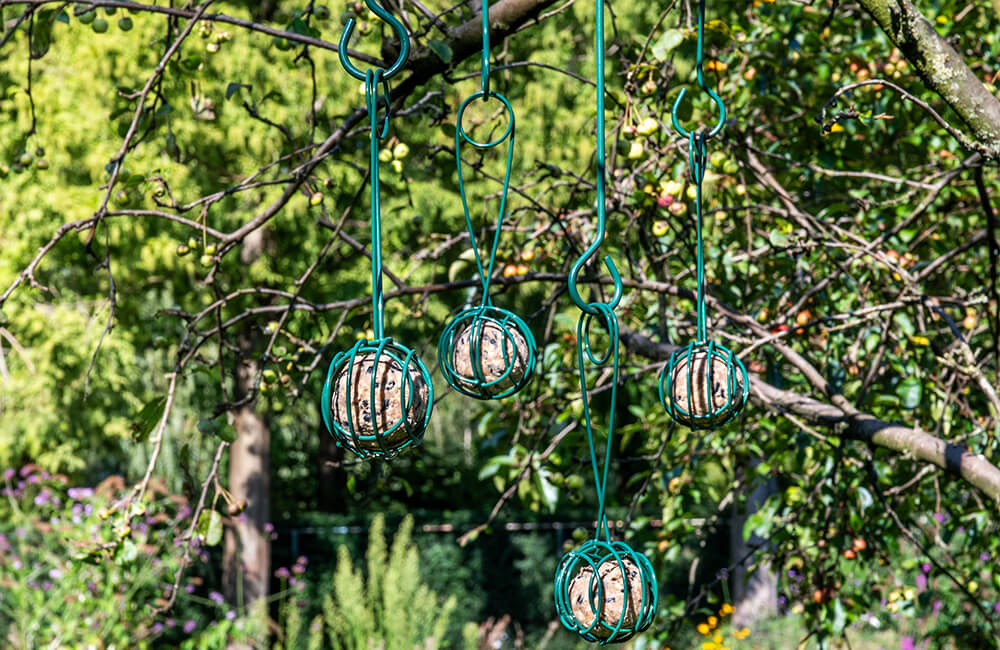
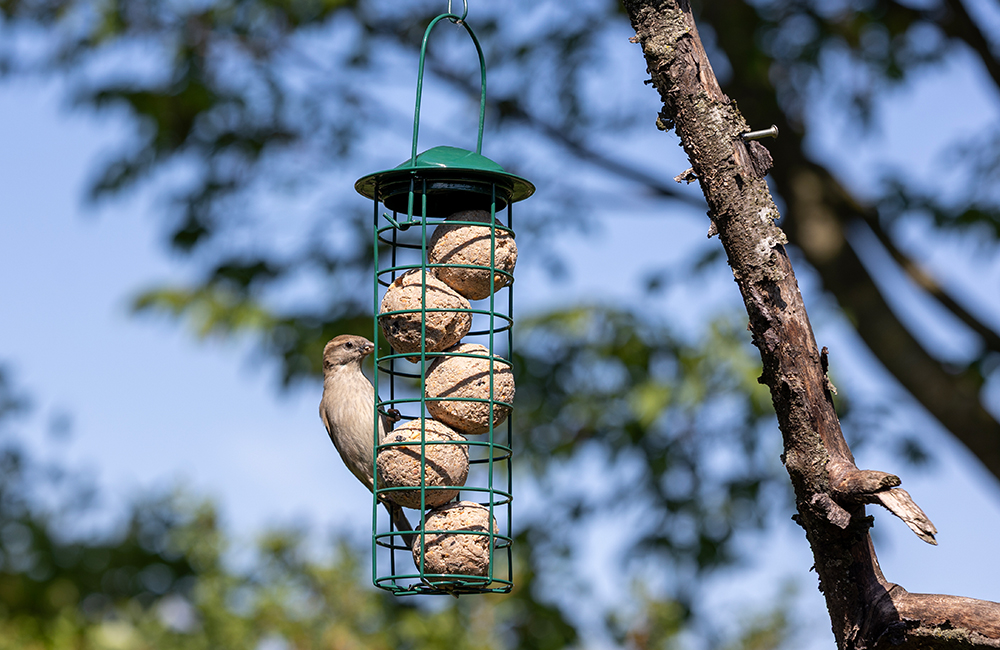
- Use a fat ball feeder
The best way to offer fat balls is in a wire feeder designed for them. This prevents larger birds from taking all the food and helps smaller birds access it safely.
- Place them on a bird table
Fat balls can also be placed on a bird table or ground feeding station, but ensure they are out of reach of cats and other predators.
Tips for making the best fat balls
- Use high-quality fat – Avoid cooking fats like vegetable oil, as they do not solidify well and can coat birds' feathers, affecting their insulation.
- Store them properly – Keep fat balls in a cool, dry place to prevent them from going rancid.
- Adjust the recipe seasonally – In warmer months, use more seeds and less fat to prevent melting.
- Observe which birds visit – Adjust the ingredients based on which birds frequent your garden.
Making fat balls at home is an easy and rewarding way to support garden birds. By using high-quality ingredients and avoiding harmful additives, you can provide a safe and nutritious food source that will attract a variety of birds to your garden.
Want to offer even more to your garden birds? Explore our selection of bird feeders, seeds, and suet products to create a bird-friendly environment all year round.