When should you feed birds?

Wanneer_vogels_voeren_mobile2

When is the best time to feed birds? By offering suitable food throughout the year, you can help support biodiversity and contribute to the wellbeing of many familiar bird species whose numbers have declined over time, such as the house sparrow. Feeding birds isn’t just a winter activity, it can make a difference in every season.

Feeding birds all year round

There are still many misconceptions about feeding birds during spring and summer, often referred to as year-round feeding. Some believe that birds become dependent on extra food, or that natural food sources are always sufficient during the warmer months. In reality, this simply isn’t the case.

During spring and summer, birds face some of their most demanding periods. Breeding, nesting and raising young all require huge amounts of energy, while natural food supplies can fluctuate due to weather and habitat loss. Reliable feeding helps adult birds stay strong and supports successful nesting.

Leading conservation organisations regularly highlight the importance of providing food across all seasons, particularly as natural habitats continue to change. Supplying appropriate food year-round helps birds cope with both harsh winters and challenging breeding conditions.

Birds are perfectly capable of regulating how much they eat and will not overfeed. Providing food does not stop them from foraging naturally, it simply offers an additional, reliable source of nutrition when it’s needed most.

Feeding birds: when to offer what

Birds need energy throughout the year, from the colder winter months and the build-up in autumn, right through to the demanding breeding season in spring. Each season places different pressures on garden birds, which is why the right food at the right time can make a real difference.

By choosing high-quality bird food suited to each season, you can support the birds visiting your garden all year round. Below, you’ll find guidance on which foods are best at different times of year.

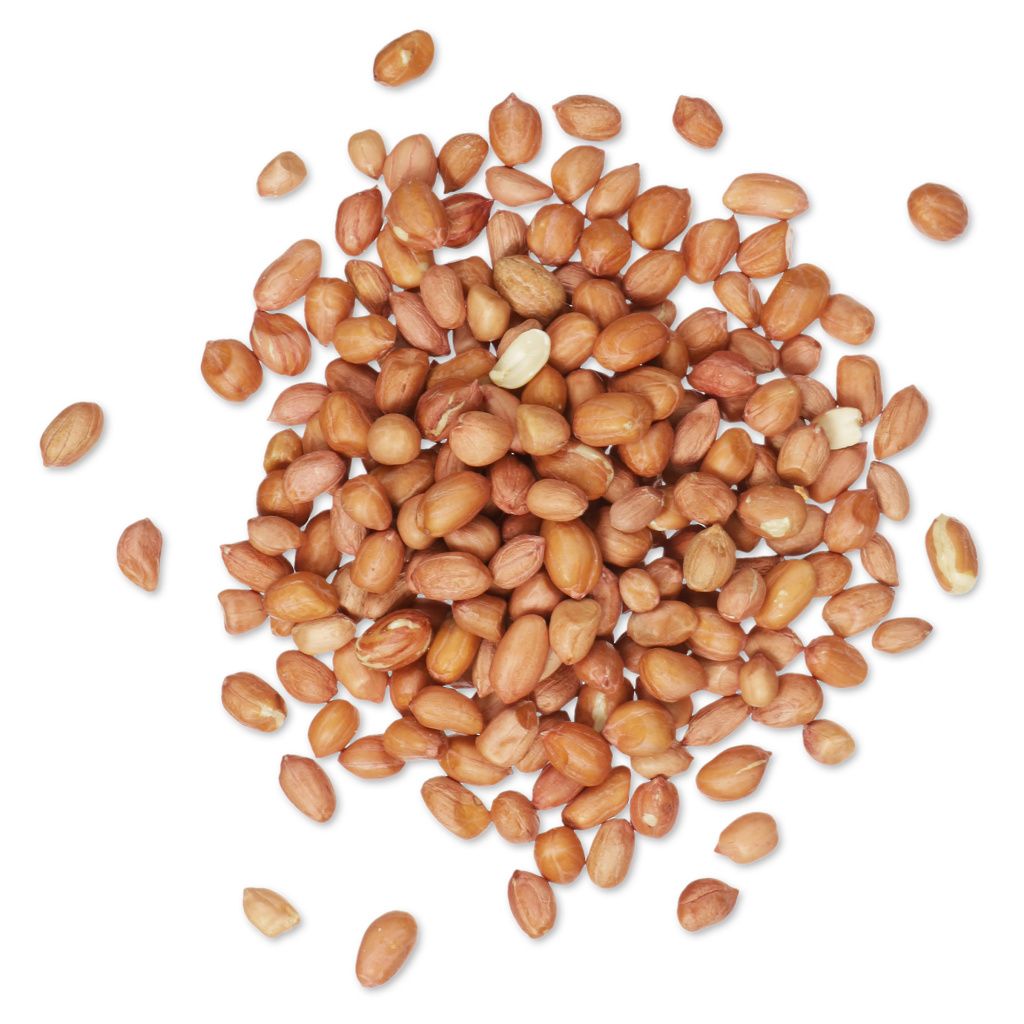
Premium Whole Peanuts for Birds
The price depends on the options chosen on the product page
From
6.99
Suet Logs with Seeds - 6 pack
2.99
Price per kg: 6.56
Hi-Energy Peanut Butter for Birds
2.99
Price per kg: 9.06

Feeding birds in spring

Spring is one of the busiest and most demanding times of year for birds. Finding a partner, securing a nesting site, laying eggs and raising young all require huge amounts of energy. At the same time, natural food sources are often limited.

Changes to the landscape mean that many gardens now offer fewer shrubs and less varied planting than in the past. These plants are important for birds, providing both shelter and natural food. Early in the season, berries are not yet available, and insects and larvae, essential sources of protein, can be scarce, particularly in more built-up areas.

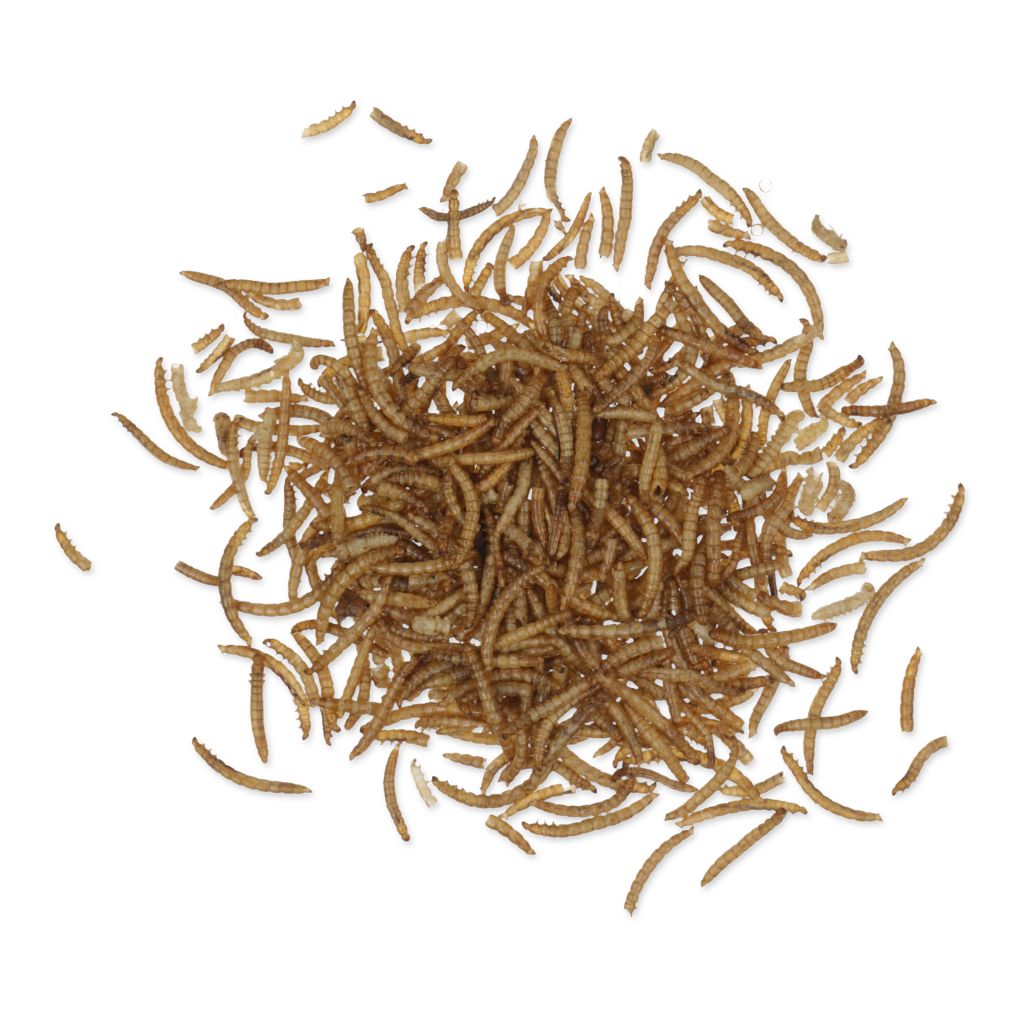
As a result, birds can benefit greatly from extra support during spring. Offering food that is rich in protein helps adult birds maintain their strength and supports the healthy development of eggs and chicks. Foods containing insects, such as mealworms, are especially valuable at this time of year, as they provide the nutrients birds need during breeding and chick-rearing.

By choosing suitable, high-quality food in spring, you can help birds cope with this demanding period and support successful nesting in the weeks ahead.

The best bird food for spring

Dried Mealworms for Birds
The price depends on the options chosen on the product page
From
2.99
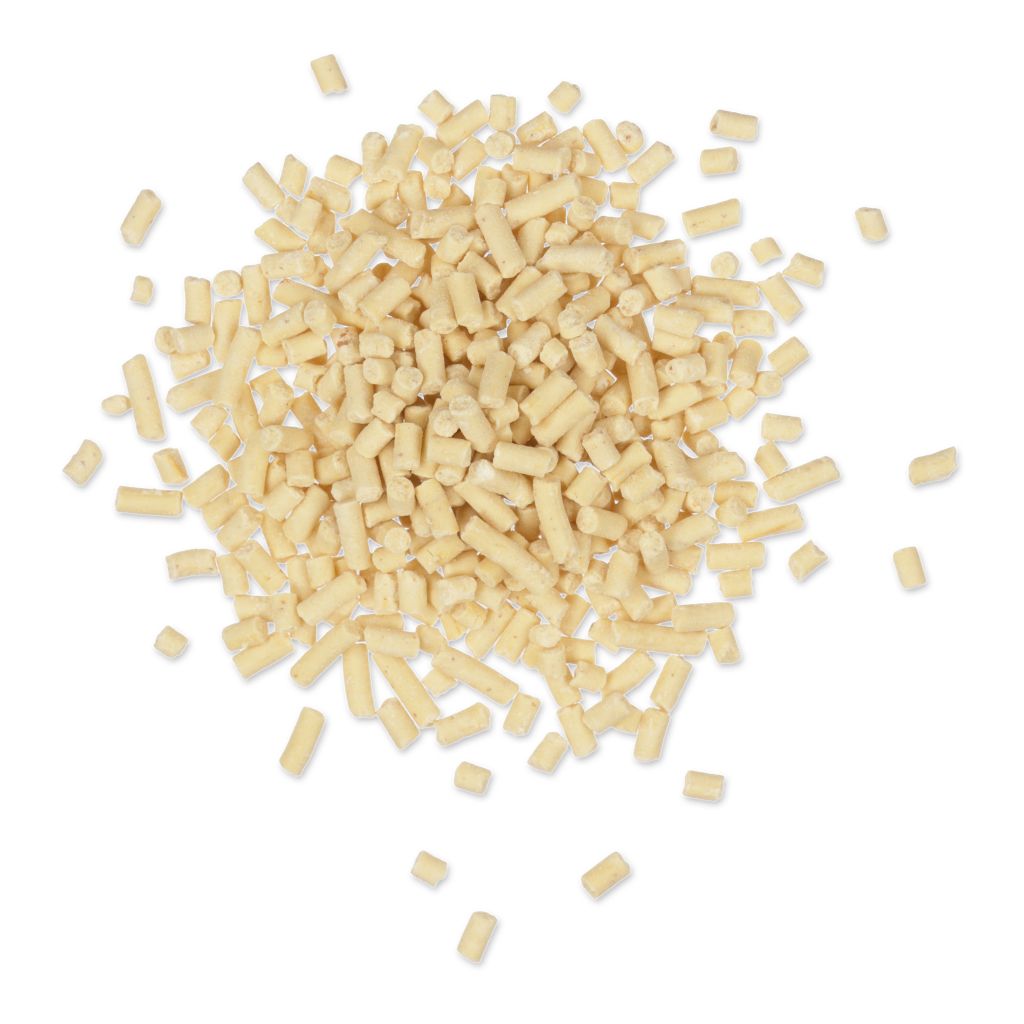
Insect Suet Pellets for Birds
The price depends on the options chosen on the product page
From
12.99
Bird Table Seed Mix
The price depends on the options chosen on the product page
From
3.99
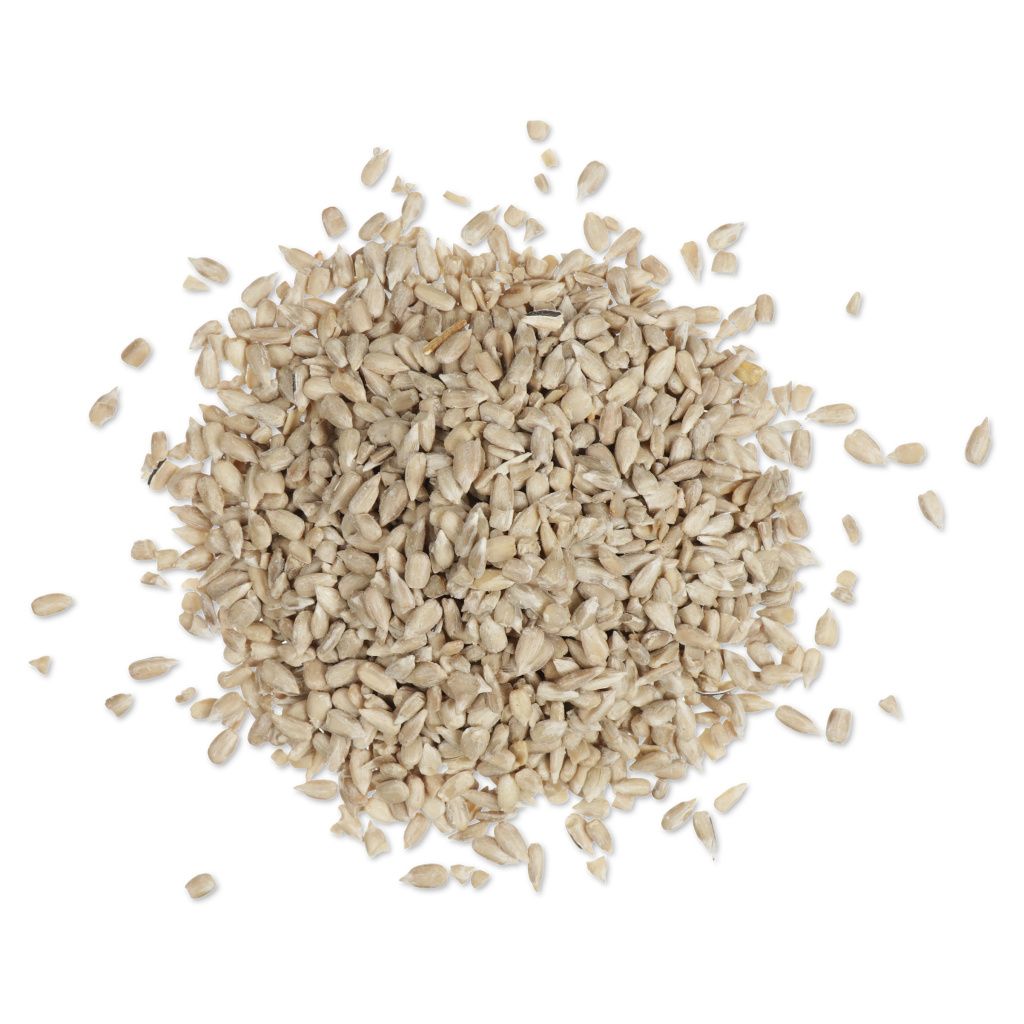
Kibbled Sunflower Hearts for Birds
The price depends on the options chosen on the product page
From
9.99
Bird Feeder Seed Mix
The price depends on the options chosen on the product page
From
4.99
Mealworm Suet Pellets for Birds
The price depends on the options chosen on the product page
From
12.99
National Trust Garden Bird Feeder Seed Mix
The price depends on the options chosen on the product page
From
4.99

Feeding birds in summer

Summer remains an important time for feeding birds. Many species are replacing worn feathers through moulting, while others are preparing for longer journeys later in the year. Both processes demand high levels of energy and nutrients.

Protein-rich food continues to play a key role during summer. Insects form a natural part of birds’ diet at this time, and offering foods that reflect this, such as mealworms or seed mixes containing insect protein, can provide valuable support. These help birds maintain condition while moulting and caring for late broods.

Gardens can also help by encouraging natural food sources. Plants that attract insects, including caterpillars, larvae and beetles, provide an important supply of protein for adult birds and their young. Alongside food, fresh water is essential in warm weather. A shallow bird bath or water dish gives birds a place to drink and bathe, helping them stay cool and keep their feathers in good condition.

By offering suitable food and water through the summer months, you can continue to support birds during another demanding stage of the year.

The best bird food for summer

National Trust Insect Peanut Butter for Birds
2.99
Price per kg: 9.06
Dried Mealworms for Birds
The price depends on the options chosen on the product page
From
2.99
Insect Suet Pellets for Birds
The price depends on the options chosen on the product page
From
12.99
Bird Table Seed Mix
The price depends on the options chosen on the product page
From
3.99
Hi-Protein Peanut Cake Tube for Starlings 1 Litre
7.99
Price per kg: 7.99
Kibbled Sunflower Hearts for Birds
The price depends on the options chosen on the product page
From
9.99
Ultimate Fat Balls with Mealworms - Box of 50
16.99
Price per kg: 4.25
Coconut Feast for Birds
2.49
Price per kg: 12.45
Mealworm Suet Pellets for Birds
The price depends on the options chosen on the product page
From
12.99

Feeding birds in autumn

Autumn is a crucial time for birds to build up energy reserves ahead of the colder months. Shorter days and falling temperatures mean birds need reliable access to high-energy food to help them maintain body weight and prepare for winter.

While some natural food sources are still available, these quickly become scarce as the season progresses. Providing a steady supply of nutritious food during autumn helps birds adapt to changing conditions and supports those that remain active in gardens throughout the winter.

Energy-rich foods are particularly important at this time of year. Seeds, fats and nutrient-dense mixes help birds store the energy they need to cope with colder weather. By feeding birds in autumn, you help them enter winter in the best possible condition.

The best bird food for autumn

Feeding birds in winter

Winter is one of the most challenging times of year for birds. Cold temperatures, frost and shorter days mean birds must use more energy simply to stay warm, while natural food sources are often scarce or inaccessible.

Providing food during winter helps birds maintain their strength and body condition. Reliable feeding stations can make a real difference, especially during prolonged cold spells when birds need extra energy just to survive overnight.

High-energy foods are particularly important in winter, as they provide concentrated fuel to help birds cope with the cold. Feeding little and often, and keeping feeders clean and topped up, ensures birds can rely on a safe and consistent food source throughout the season.

By continuing to feed birds in winter, you help support garden wildlife through the toughest months of the year.

The best bird food for winter

Premium Whole Peanuts for Birds
The price depends on the options chosen on the product page
From
6.99
National Trust Ultimate Fat Balls - Tub of 30
9.99
Price per kg: 4.16
Hi-Energy Peanut Butter for Birds
2.99
Price per kg: 9.06
National Trust Ultimate Fat Balls - Pack of 6
2.99
Price per kg: 6.23

Which food for which birds?

The type of food birds need can vary from season to season, but different species also have their own natural preferences. Some birds favour seeds, others rely more heavily on insects or fat-rich food, depending on their size, behaviour and feeding habits.

If you’d like to learn more about which foods are best suited to different garden birds, take a look at our “Who eats what?” guide, where you’ll find clear advice for supporting a wide range of familiar species.

To explore year-round feeding in more detail, you can also read our interview with one of our in-house product specialists, who shares practical insights into how thoughtful feeding can support birds throughout the seasons.

check-circle

added to your basket

chevron-right View basket Continue shopping
Loading...