
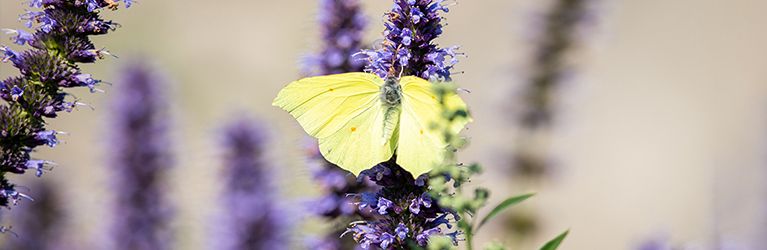
Butterflies bring colour, movement, and life to any garden while playing a crucial role in pollination. However, habitat loss has led to a decline in butterfly populations. By creating a butterfly-friendly garden, you can provide them with food, shelter, and breeding areas, helping to support biodiversity.
Whether you have a large backyard or a small balcony, this guide will help you design a space that attracts and nurtures butterflies.

A common yellow swallowtail
Why create a butterfly garden?
A butterfly garden is more than just a beautiful outdoor space; it offers several benefits:
- Supports biodiversity – A butterfly-friendly garden also benefits bees, birds, and other pollinators.
- Encourages natural pest control – Many butterflies lay eggs on plants that attract caterpillars, which in turn attract birds that feed on them.
- Promotes relaxation and mindfulness – Watching butterflies can be a peaceful and rewarding experience.
- Enhances plant pollination – Butterflies contribute to the health of your garden by helping plants reproduce.
Planning your butterfly garden
To create a garden that attracts butterflies, consider the following key elements:
- Choose the right location
Butterflies love warmth and sunlight, so select a spot that receives at least six hours of direct sunlight per day. A sheltered area protected from strong winds will make it easier for butterflies to feed and rest.
- Select the best plants
Butterflies rely on two types of plants:
- Nectar plants – These provide adult butterflies with food.
- Host plants – These serve as breeding sites where butterflies lay eggs, and their caterpillars feed.
Opt for a variety of native plants that flower at different times of the year to provide a continuous food source

A peacock butterfly
Recommended nectar plants:
- Buddleia (Butterfly Bush)
- Verbena
- Lavender
- Echinacea (Coneflower)
- Marjoram
- Ivy (for late-season nectar)
Recommended host plants:
- Nettles (for Red Admirals, Peacocks, and Small Tortoiseshells)
- Wild carrot and fennel (for Swallowtails)
- Bird’s-foot trefoil (for Common Blue butterflies)
Creating a butterfly-friendly environment
- Provide shelter
Butterflies need places to rest and hide from predators. Shrubs, hedgerows, and tall grasses provide natural shelter. You can also install a butterfly house to give them a safe resting place.
- Offer water and sunbathing spots
Butterflies require moisture, especially in hot weather. A shallow dish with damp sand or mud serves as a great water source. They also love sunbathing—place flat stones in sunny areas where they can warm up.
- Avoid pesticides
Chemical pesticides and herbicides harm butterflies and other pollinators. Use natural alternatives like companion planting or organic pest control methods.
- Create a wild corner
A small, undisturbed area with native plants, grasses, and leaf piles will encourage butterflies to breed and overwinter.
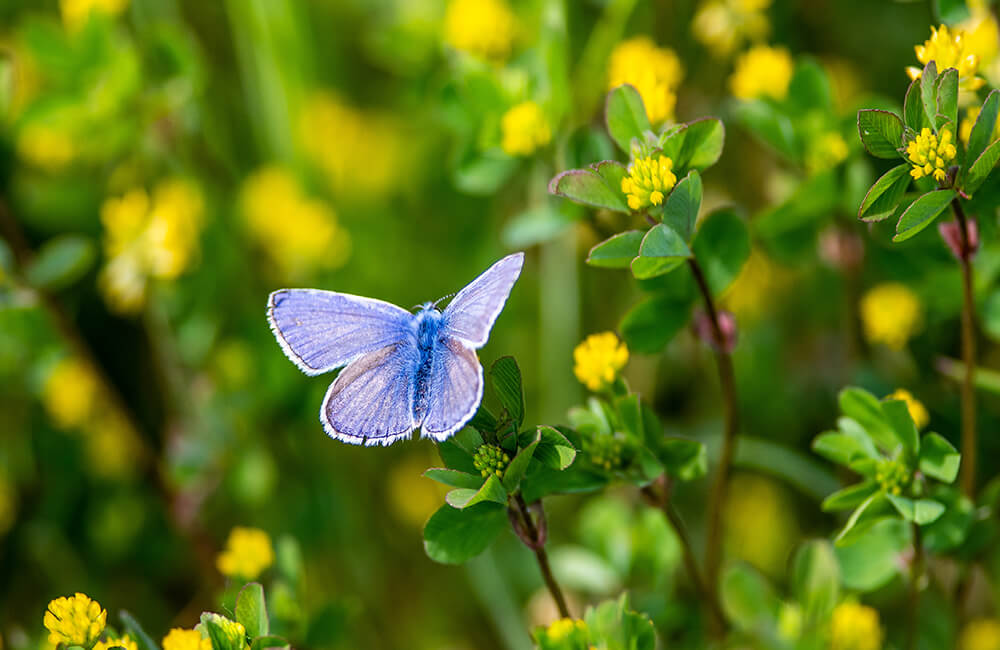
A silver-studded blue
Maintaining your butterfly garden
- Keep planting for all seasons
Ensure a steady supply of nectar and host plants from early spring to late autumn to support butterflies throughout their life cycle.
- Deadhead flowers regularly
Removing faded flowers encourages more blooms, providing nectar for longer periods.
- Let Some plants go to seed
Some butterfly species, like Painted Ladies, feed on seed heads, so leave a few plants untrimmed.
- Monitor and record butterflies
Observing and noting which species visit your garden can help conservation efforts. Consider joining a local butterfly count to contribute valuable data.
Butterflies to look out for
Depending on your location, different butterfly species may visit your garden. In the UK, common species include:
- Peacock Butterfly – Recognizable by its vibrant red wings with blue and black eye spots.
- Small Tortoiseshell – A striking orange and black butterfly commonly found in gardens.
- Red Admiral – A bold black, white, and red butterfly often seen feeding on Buddleia.
- Common Blue – A small but beautiful blue butterfly that thrives in meadows and gardens.
- Painted Lady – A migratory butterfly that travels long distances to visit gardens each year.
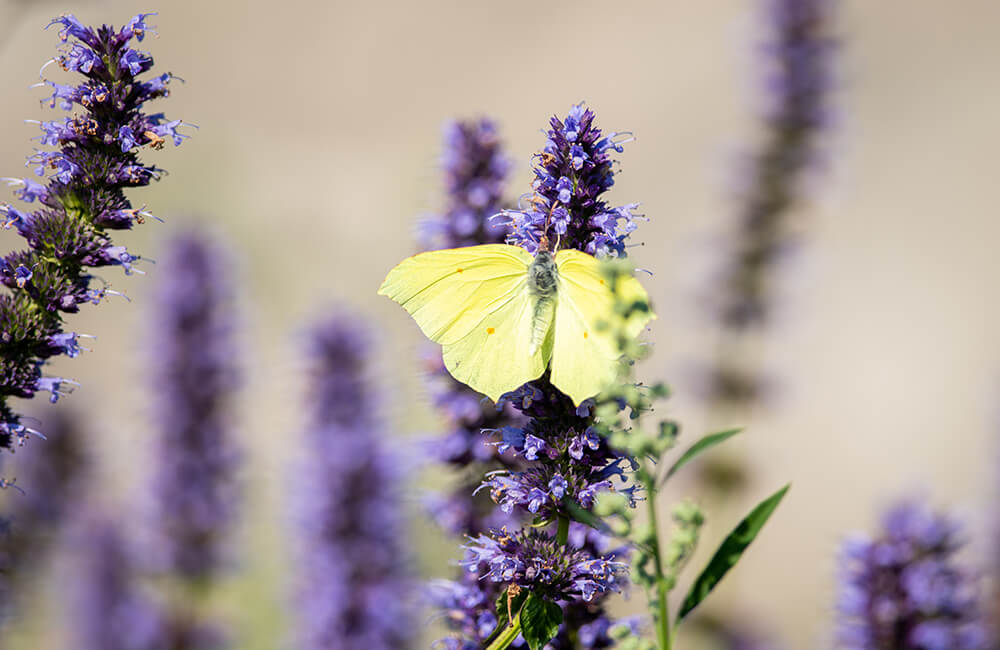
A common brimstone
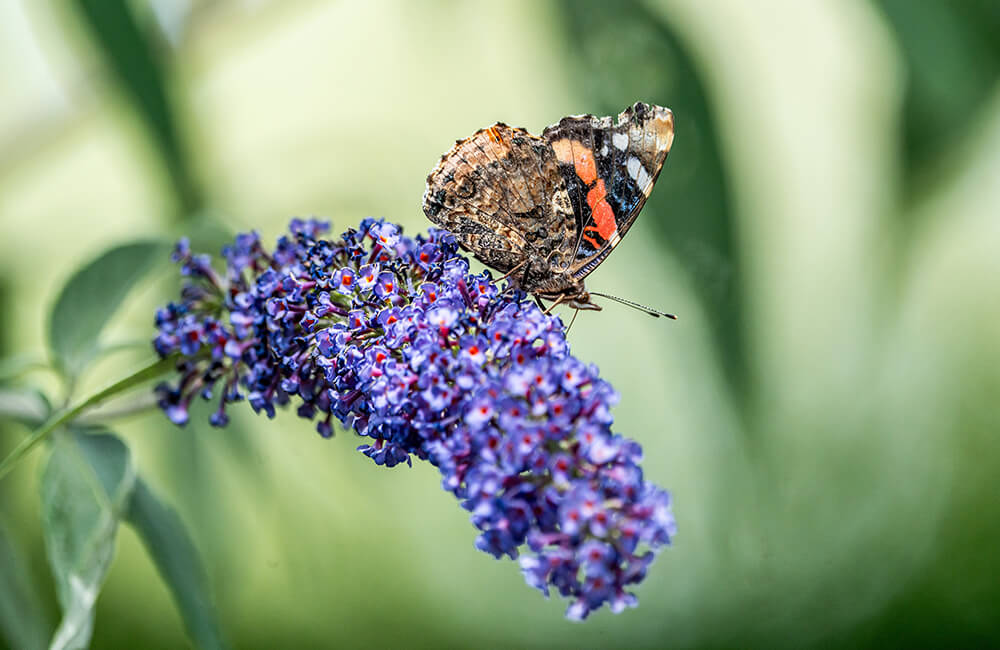
A red admiral
Creating a butterfly garden is a simple yet effective way to support local wildlife while enhancing the beauty of your outdoor space. By planting nectar-rich flowers, providing shelter, and avoiding harmful chemicals, you can create a thriving habitat for butterflies and other pollinators.
With a little effort, your garden can become a haven for these delicate creatures, bringing color and life to your surroundings while contributing to conservation efforts. Start planting today and enjoy the magic of butterflies in your own backyard!