
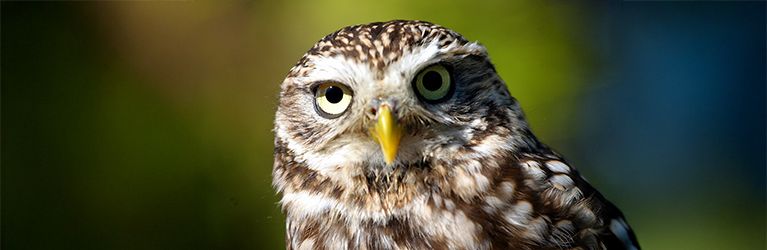
The UK is home to several fascinating owl species, each with unique characteristics and habitats. These nocturnal birds of prey play a vital role in maintaining the ecological balance by controlling rodent populations and adding to the rich biodiversity of British woodlands, farmlands, and even urban areas.
If you are an owl enthusiast or simply curious about the species you might encounter, here is a guide to the most common owls found in the UK.
Barn Owl (Tyto alba)
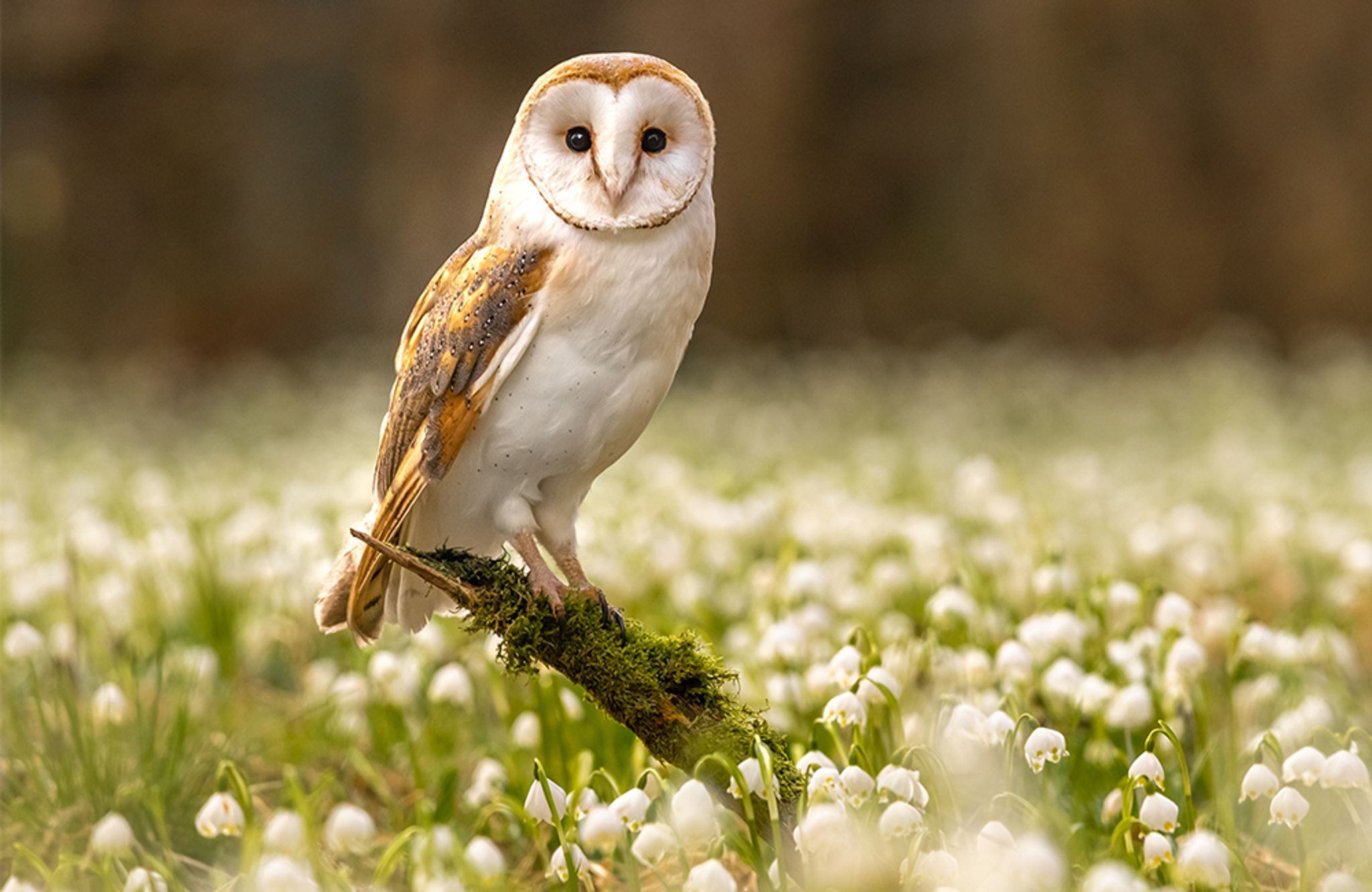
The barn owl is one of the most iconic and easily recognisable owl species in the UK. With its heart-shaped facial disc, pale golden plumage, and silent flight, it is a truly striking bird. Barn owls are often seen hunting at dusk over farmland, grasslands, and hedgerows, where they rely on their exceptional hearing to detect small mammals, particularly voles.
Due to habitat loss, barn owl populations have declined in some areas, but conservation efforts, such as providing nesting boxes, have helped stabilise their numbers.
Tawny Owl (Strix aluco)
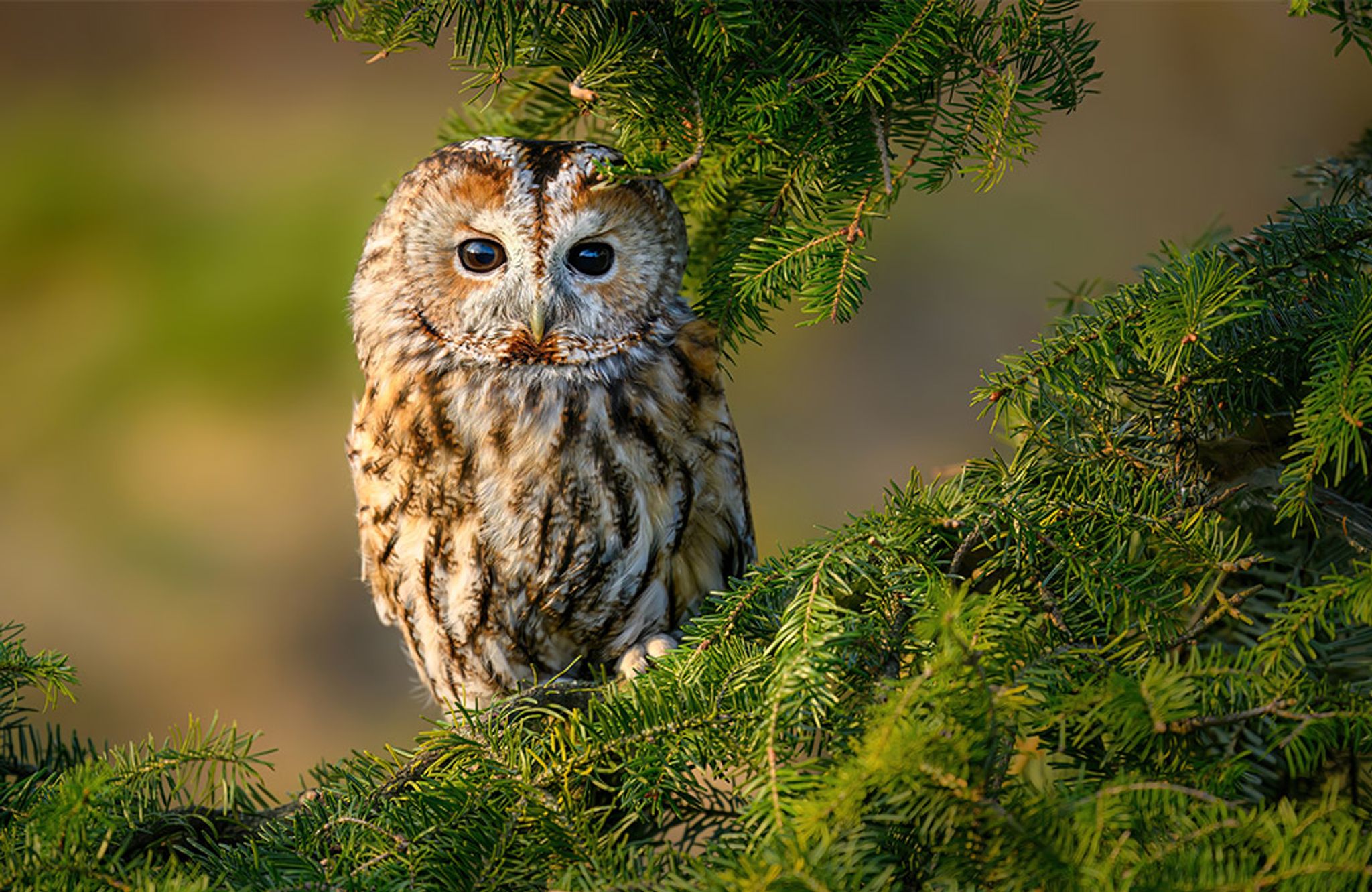
The tawny owl is the most common and widespread owl species in the UK. It is known for its classic “twit-twoo” call, often heard in woodlands and even suburban parks. Tawny owls have a rounded body, mottled brown plumage, and large dark eyes, which help them blend seamlessly into tree bark.
Unlike barn owls, tawny owls prefer dense woodlands, where they hunt rodents, birds, and even insects. They are highly territorial and rarely seen in open landscapes.
Little Owl (Athene noctua)
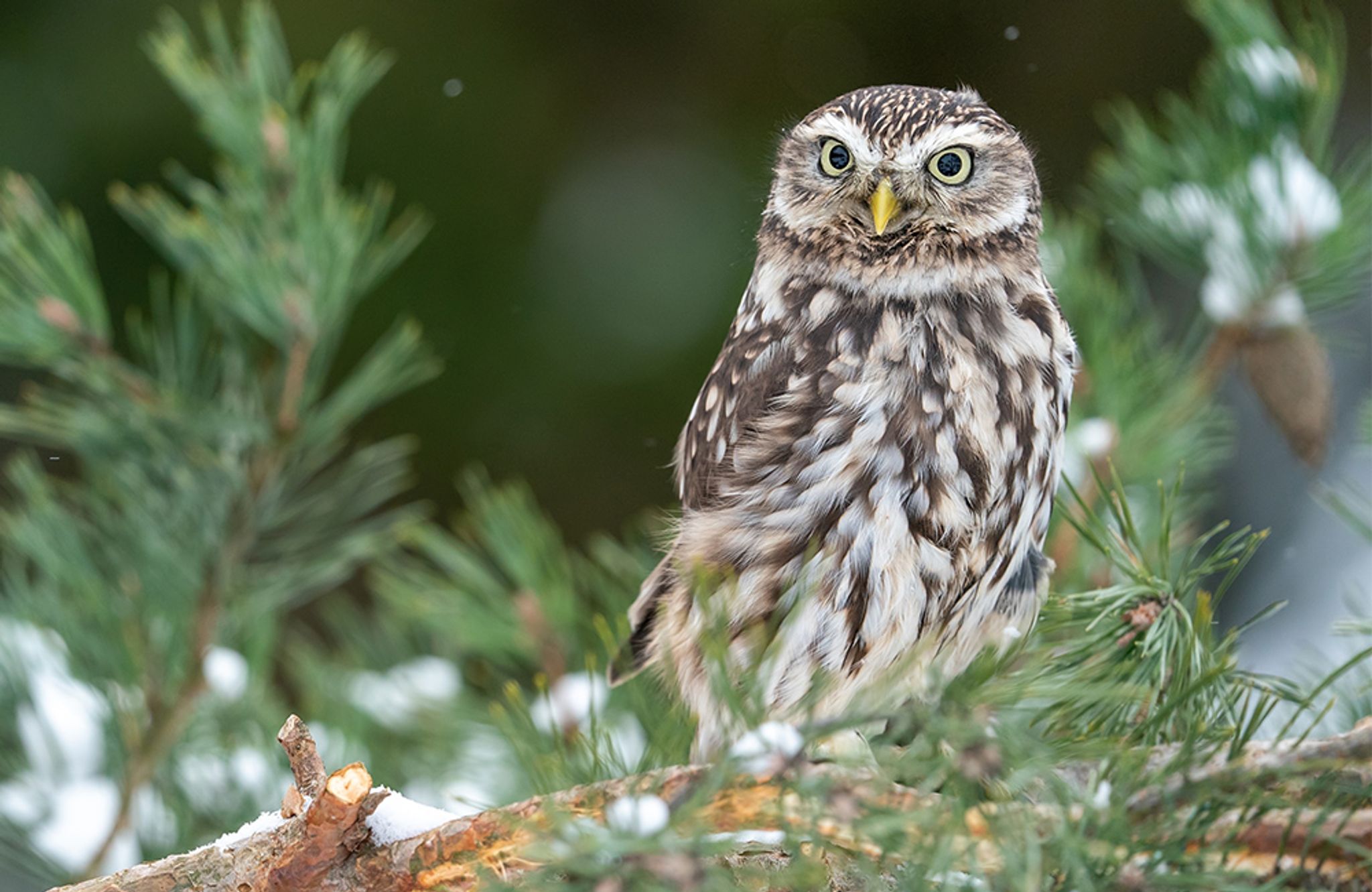
Despite its small size, the little owl is a bold and charismatic species. It was introduced to the UK in the 19th century and has since established a stable population. Little owls are often spotted during the day, perched on tree stumps, fence posts, or old buildings. They have speckled brown plumage, bright yellow eyes, and a fierce expression.
These owls favour farmland and open countryside, where they hunt insects, small mammals, and even earthworms. Their loud, repetitive calls can often be heard at dusk and dawn.
Long-eared Owl (Asio otus)
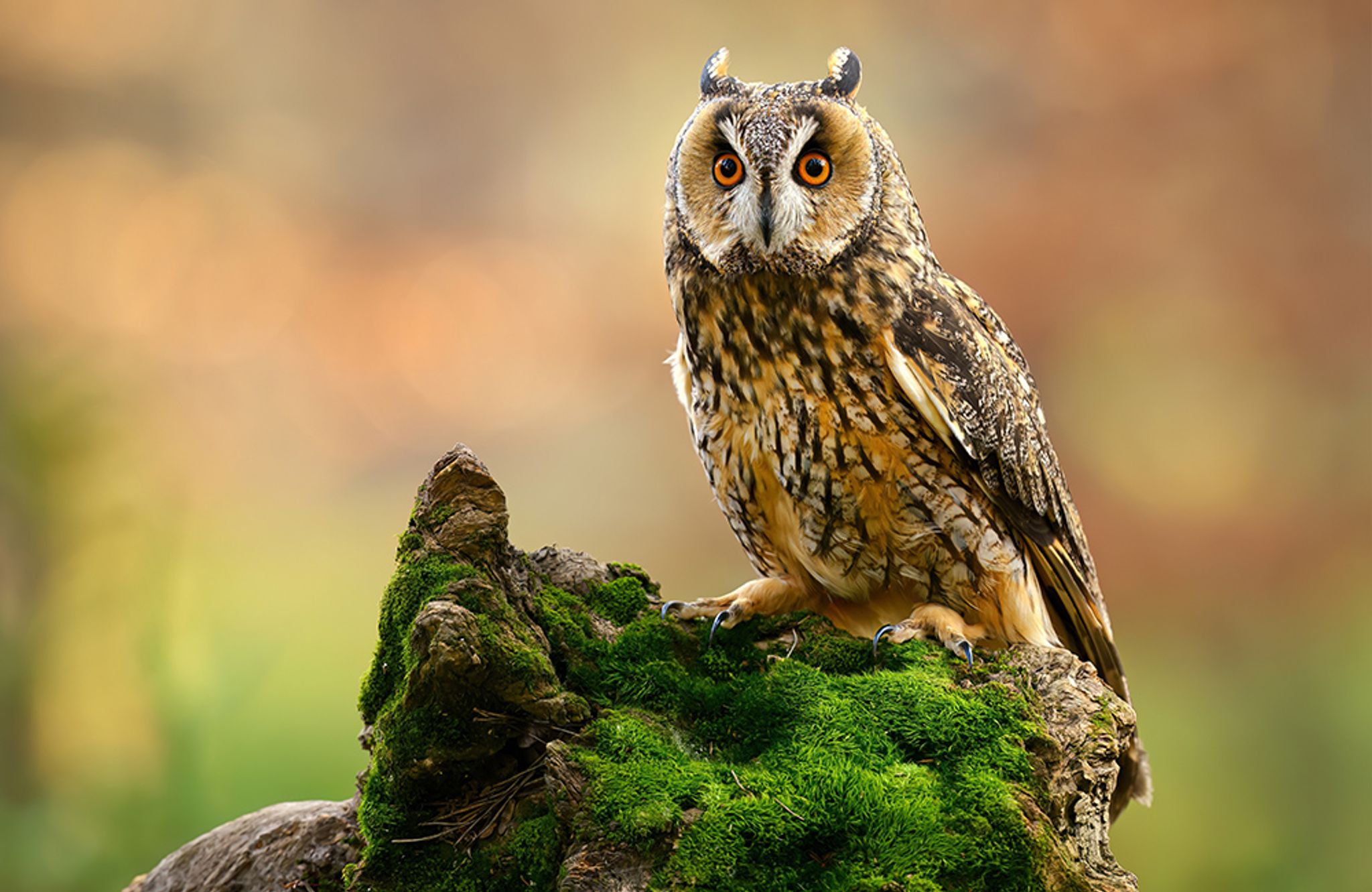
The long-eared owl is a secretive and well-camouflaged species, making it difficult to spot. It has distinctive ear tufts, which give it an alert appearance, and a mottled brown plumage that blends perfectly with coniferous and mixed woodlands.
Unlike some other owls, long-eared owls are social outside the breeding season and can roost in groups during winter. They mainly hunt small mammals, such as mice and voles, in open countryside.
Short-eared Owl (Asio flammeus)
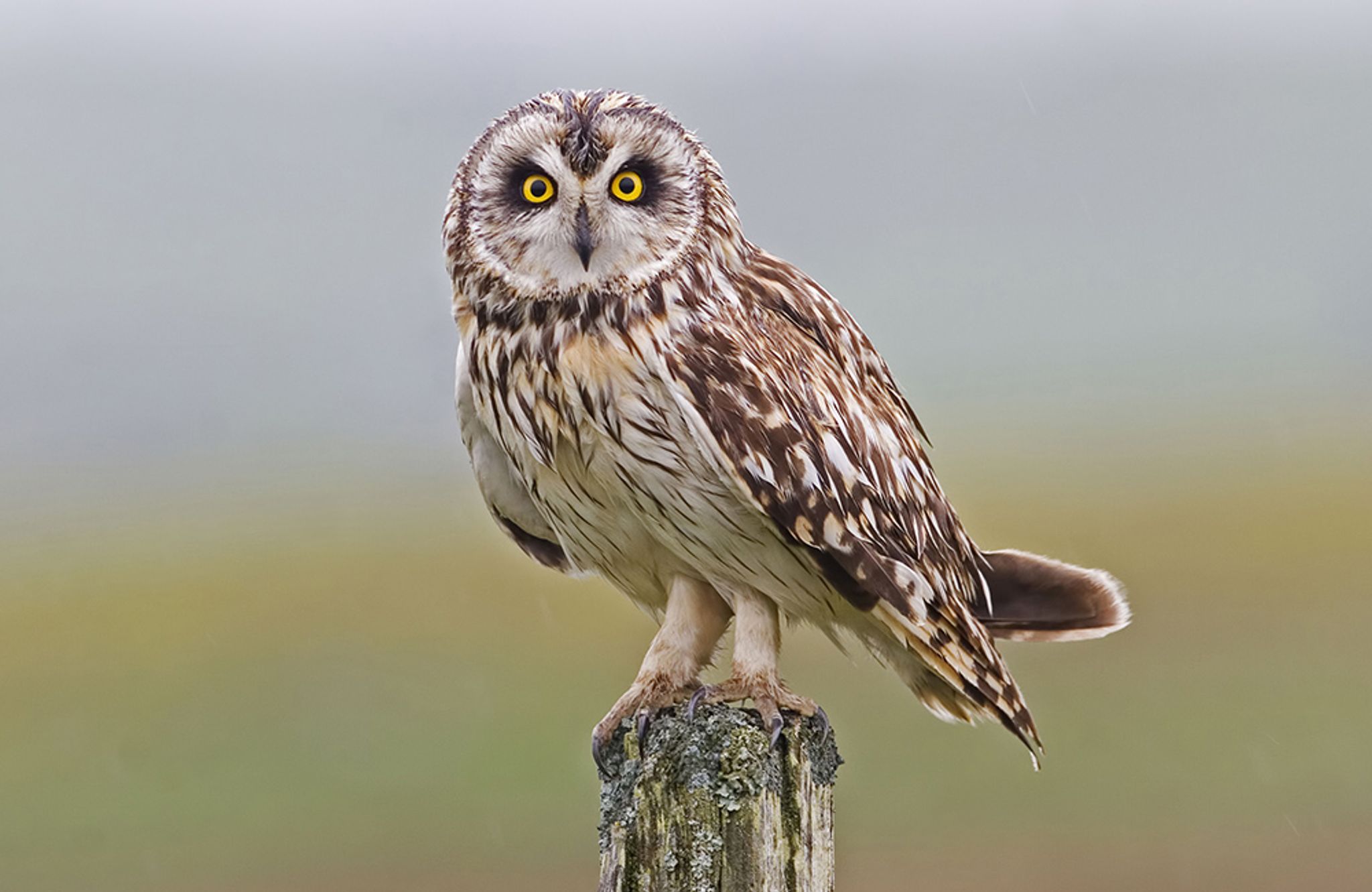
Unlike most owls, the short-eared owl is often active during the day, particularly in the winter months. It is commonly found in open landscapes such as moorlands, marshes, and coastal grasslands. With striking yellow eyes, mottled brown plumage, and relatively short ear tufts, it is an impressive sight when hunting over fields and dunes.
Short-eared owls are migratory, with populations increasing in the UK during winter as birds arrive from northern Europe. They primarily feed on voles and other small mammals.
Eagle Owl (Bubo bubo) – A rare visitor
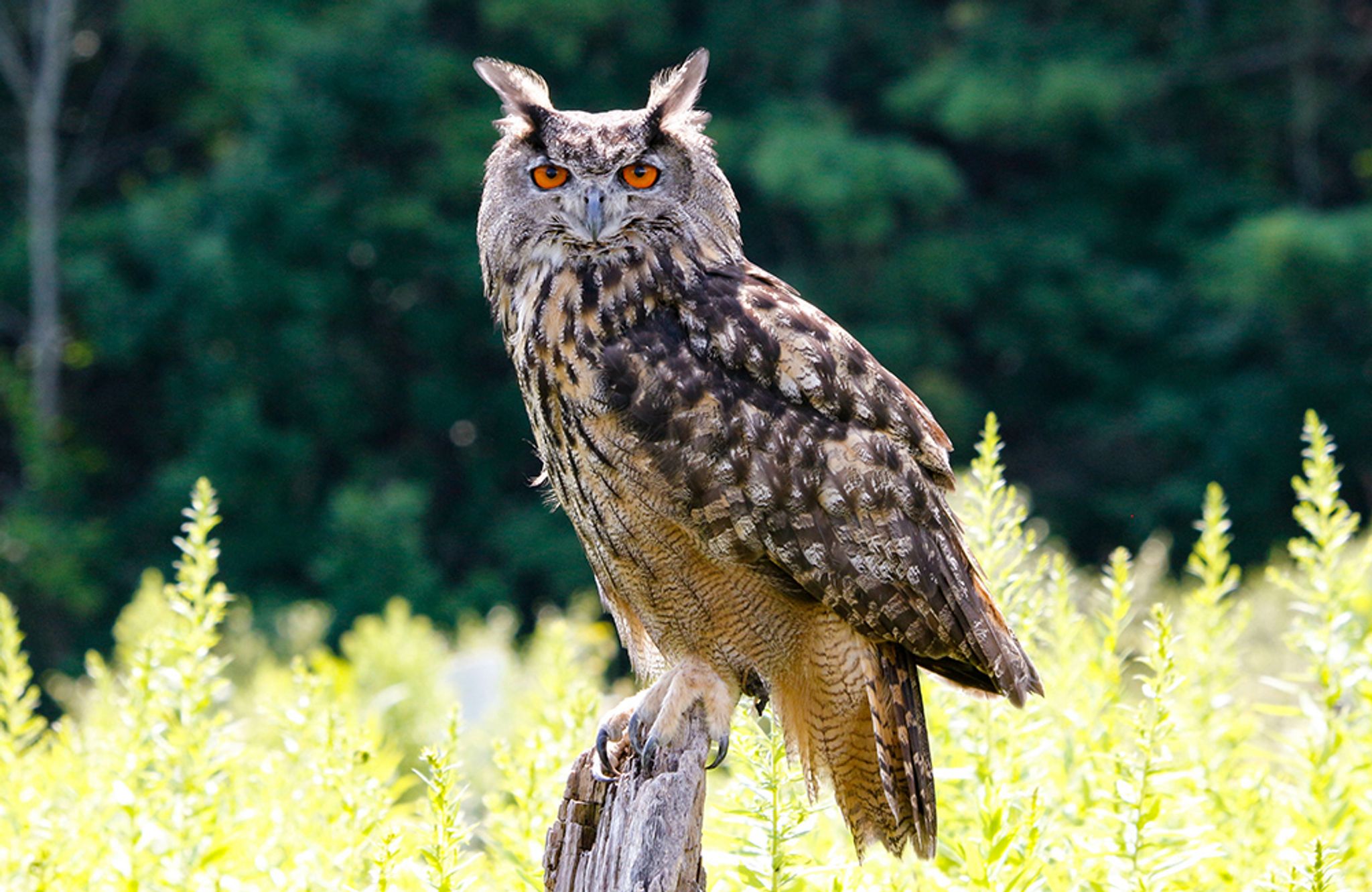
The eagle owl is not considered a native UK species, but a few individuals have been spotted in the wild, likely as escapes from captivity. This powerful owl is one of the largest in the world, with bright orange eyes, massive talons, and striking ear tufts. Although sightings are rare, it is worth keeping an eye out for this impressive bird in remote areas.
Where to spot owls in the UK
Owls can be found in various habitats across the UK, from woodlands and farmlands to coastal marshes. Some of the best locations for owl watching include:
- The Norfolk Broads – Great for spotting barn owls hunting over wetlands.
- The Scottish Highlands – A good place to see tawny owls and the occasional short-eared owl.
- The Peak District and Yorkshire Moors – Home to little owls and long-eared owls.
- Farmland and countryside across England and Wales – Ideal for barn owls and little owls.
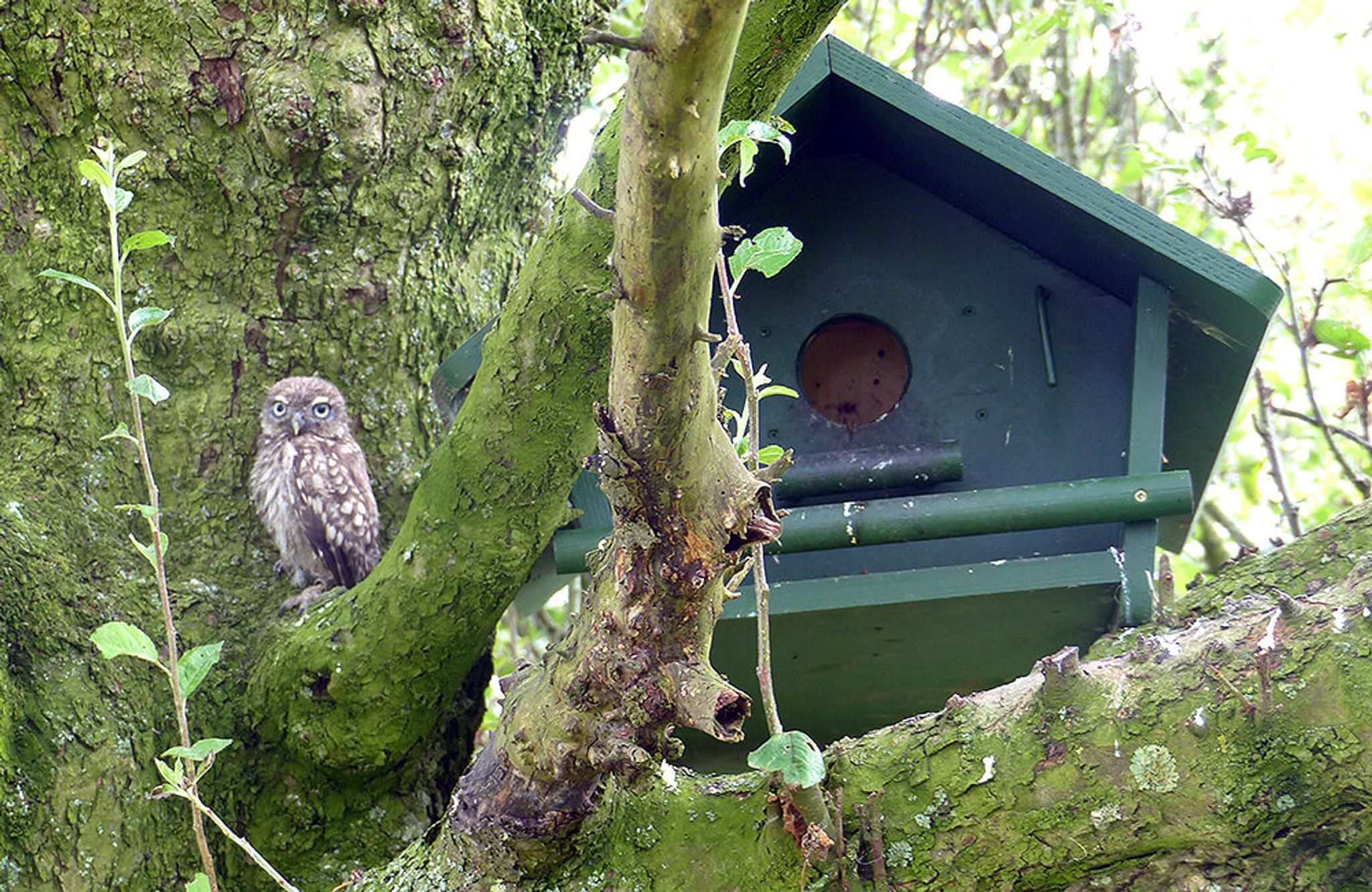
If you want to encourage owls to visit your garden, consider installing a nest box and maintaining a wildlife-friendly environment with hedgerows and long grass, which attract their prey.
The UK’s owl population is diverse and fascinating, with species adapted to a range of habitats. Whether you are listening to the haunting call of a tawny owl, spotting a barn owl gliding silently over a field, or catching a glimpse of a little owl during the day, these birds offer incredible wildlife-watching opportunities.
By protecting their habitats and providing nesting sites, we can help ensure these magnificent creatures continue to thrive in the British countryside.