
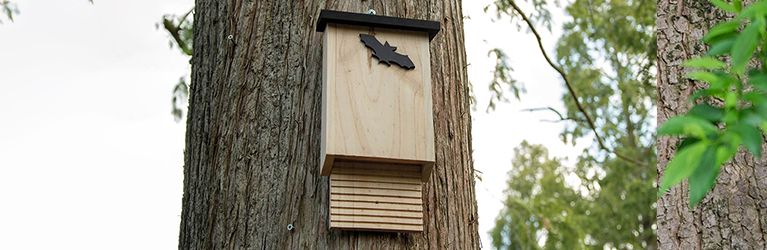
Bats play a crucial role in maintaining a balanced ecosystem by controlling insect populations, including mosquitoes and moths. However, due to habitat loss, many bats struggle to find suitable roosting places. By building a bat box, you can provide them with a safe and sheltered home.
In this guide, we will walk you through the process of making a bat box yourself and offer tips on where to place it.
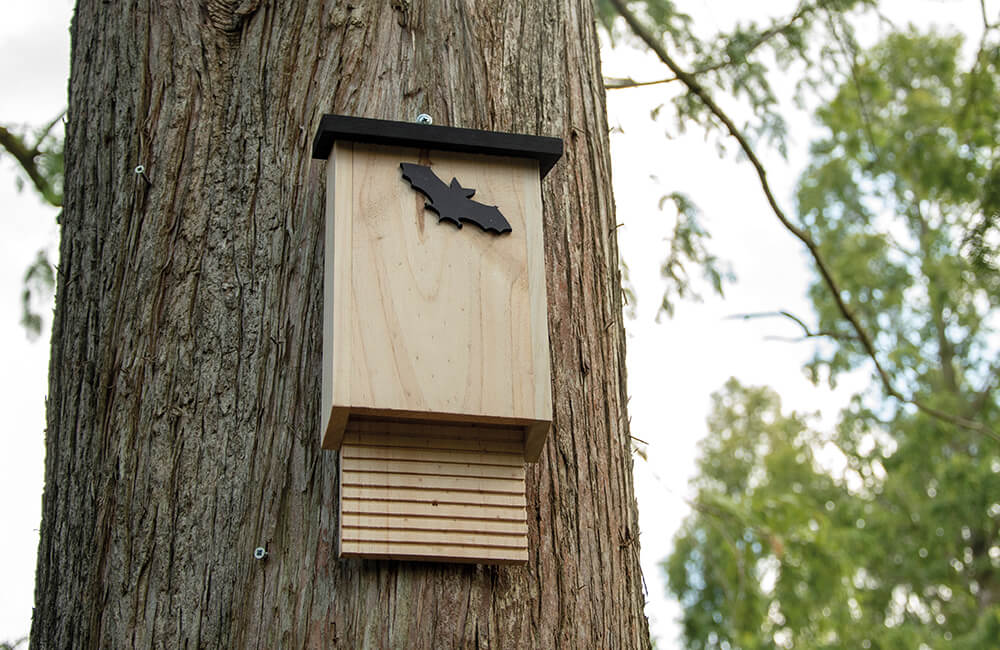
Why build a bat box?
A bat box serves as an artificial roosting place for bats, offering them a safe space to rest, breed, and shelter from predators. It helps compensate for the loss of natural habitats, such as tree hollows and old buildings.
If you enjoy having fewer insects in your garden and want to support local wildlife, installing a bat box is a great step.
Materials you need
To build a bat box, you will need the following materials:
- Untreated wood (preferably hardwood or thick plywood, at least 18mm thick)
- Saw
- Hammer and nails or screws
- Wood glue (weatherproof)
- Measuring tape and pencil
- Drill and screwdriver
- Sandpaper
Make sure to use untreated wood, as treated or painted wood can be harmful to bats.
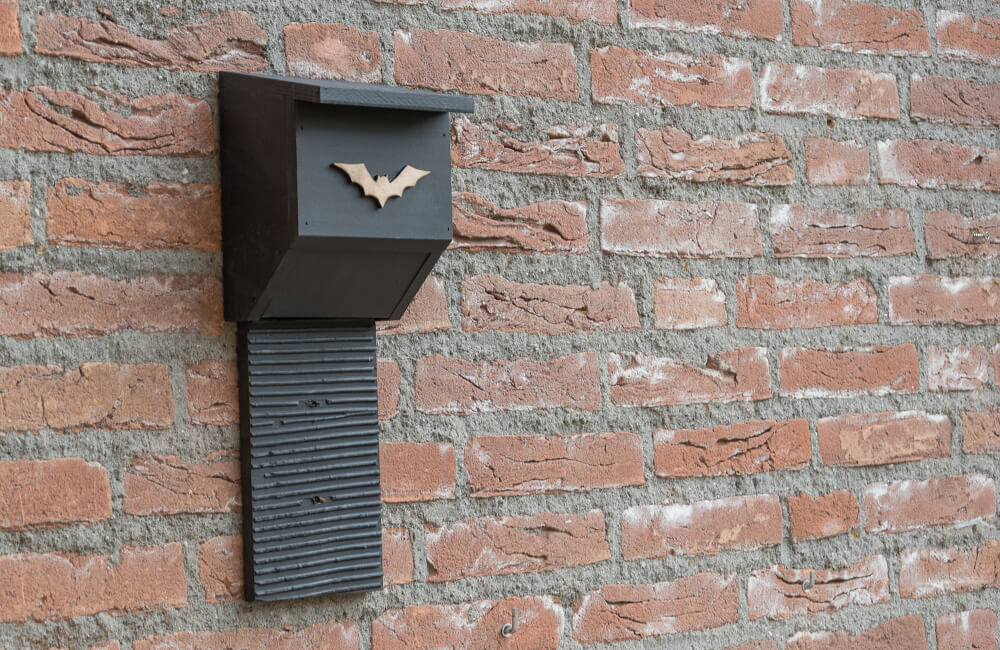
Step-by-step guide to making a bat box
- Cut the wood pieces
You will need the following wooden panels:
- Back panel – 50 cm x 30 cm
- Front panel – 40 cm x 30 cm
- Side panels – 50 cm x 15 cm (2 pieces)
- Roof panel – 35 cm x 30 cm
- Landing board – 10 cm x 30 cm
- Create grooves for grip
Bats need a rough surface to climb inside the box. Use a saw or sandpaper to create horizontal grooves on the inside of the back panel and landing board.
- Assemble the box
- Attach the side panels to the back panel using nails or screws.
- Fix the front panel in place, leaving a small gap (1–2 cm) at the bottom for ventilation.
- Attach the landing board below the entrance to help bats access the box.
- Secure the roof at a slight angle to allow rainwater to run off.
- Weatherproof the box
Do not paint or treat the wood with chemicals, as this can be harmful to bats. Instead, place the box in a dry area to allow the wood to naturally weatherproof.
Where to hang a bat box?
The location of your bat box is crucial for attracting bats. Follow these placement tips:
- Mount it at least 3–5 meters high on a tree, wall, or pole.
- Place it in a warm spot that receives several hours of sunlight daily.
- Keep it away from artificial lights, as bats prefer darkness.
- Ensure there is an unobstructed flight path with no branches or obstacles in front of the entrance.
- Avoid placing it in damp areas, as bats prefer dry and warm shelters.
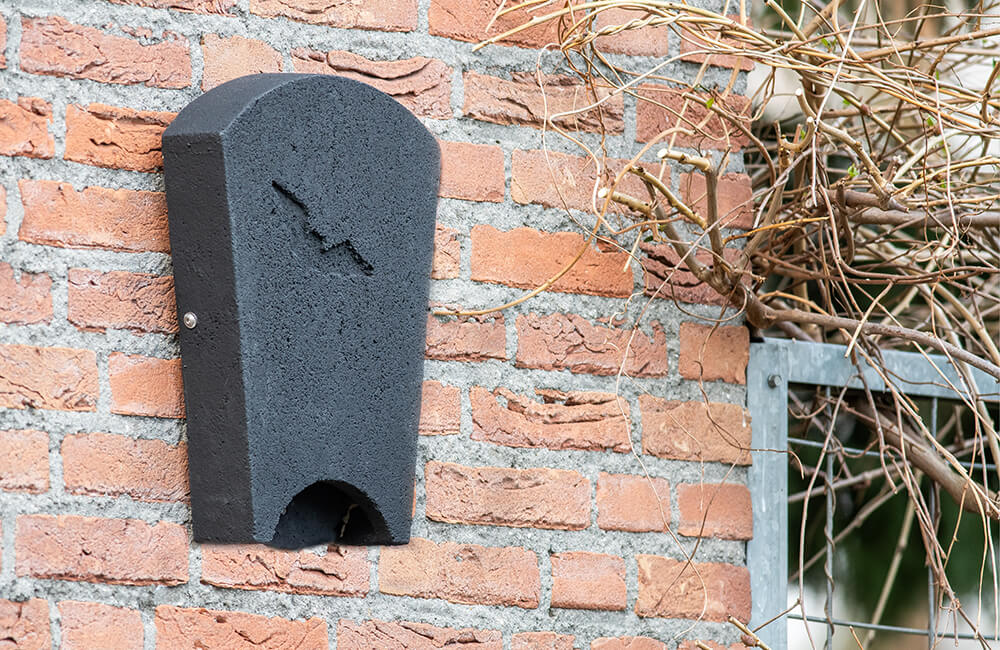
When will bats use the box?
It may take some time for bats to find and use the box. They are most likely to settle in during spring and summer, particularly if the box is placed in a suitable location. Be patient and avoid disturbing the box, as bats are protected by law in many countries.
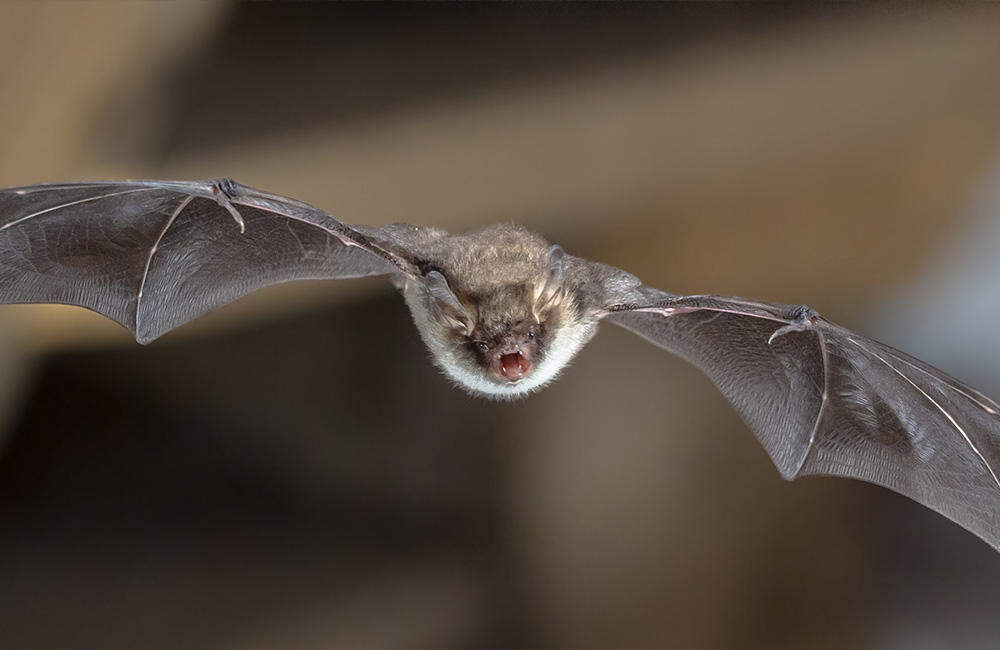
Support local bat populations
Building a bat box is a simple but effective way to support local bat populations while benefiting from natural insect control in your garden. By following this guide, you can create a safe and comfortable home for these fascinating nocturnal creatures.Formularbeginn