

About the Small Tortoiseshell
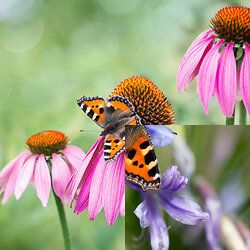
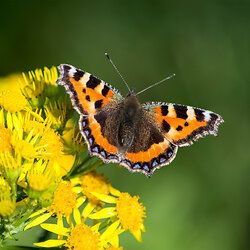
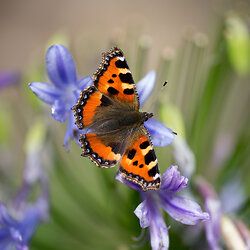
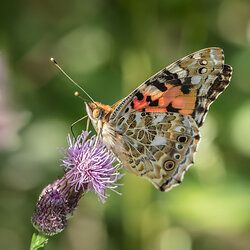
The Small Tortoiseshell (Aglais urticae) is a colourful and familiar butterfly, easily recognised by its bright orange wings patterned with black and yellow patches. A row of vivid blue spots runs along the outer edges of the wings, adding an extra splash of colour. When the wings are closed, the dark mottled underside provides excellent camouflage among bark and dried leaves.
Small Tortoiseshells can be seen in gardens, parks, meadows and other flower-rich habitats. They are strong fliers and are often spotted basking in sunny, sheltered places between feeding trips.
Unlike many butterflies, Small Tortoiseshells overwinter as adults. They seek out cool, sheltered places such as sheds, outbuildings and hollow trees, becoming active again when warmer spring weather arrives.
Food for Small Tortoiseshell Butterflies
Adult Small Tortoiseshells feed on nectar from a wide variety of flowers. They’re not particularly fussy and may visit brambles, dandelions, Buddleia, sedums, thistles, ivy and many other nectar-rich plants throughout the season.
Planting flowers that bloom at different times of year can provide a steady supply of nectar from spring into autumn. Late-flowering plants are especially valuable, helping adults build up energy reserves before hibernation.
Sunny, sheltered planting areas can make your garden even more inviting, giving butterflies warm places to feed, rest and bask.
Plants for Small Tortoiseshell Caterpillars
Nettles are essential to the Small Tortoiseshell’s life cycle. Common Nettle and Small Nettle are the main caterpillar food plants, and females lay batches of eggs on the leaves.
After hatching, the young caterpillars initially live and feed together, often creating conspicuous silken webs around the nettles. As they grow, they gradually spread out before eventually forming a chrysalis and transforming into adult butterflies.
Leaving a sunny patch of nettles in a quiet corner is one of the simplest ways to support Small Tortoiseshells. Pair it with plenty of nectar-rich flowers nearby and you’ll be providing food for both caterpillars and adult butterflies.
Photo gallery
Our products for butterflies

Facts
| Scientific name |
Aglais urticae
|
|---|---|
| Family |
Nymphalidae
|
| Habitat |
Small Tortoiseshells occur in gardens, parks, farmland, meadows, woodland edges and other open, flower-rich habitats. Nettles are essential for their caterpillars, while adults need plenty of nectar-rich flowers and sheltered places for overwintering. They are widespread and can appear from early spring onwards.
|
| Food |
Adult Small Tortoiseshell butterflies drink nectar from many flowers, including dandelions, thistles, brambles, Buddleia and other nectar-rich plants. Their caterpillars depend on nettles, making sunny nettle patches particularly valuable breeding habitat.
|
| Length |
40-50mm
|
| Weight |
1g
|
| Lifespan |
4 - 8 months
|
| Breeding season |
February
|
| Nest |
Small Tortoiseshell butterflies do not build nests. Females lay batches of eggs on nettles, and the young caterpillars initially live and feed together within silken webs. Sunny, sheltered patches of nettles are particularly valuable breeding habitat.
|
| Song and call |
Small Tortoiseshell butterflies do not produce a recognisable song or call. They are essentially silent to human ears, communicating mainly through visual and chemical signals rather than sound.
|
| Identification |
Small Tortoiseshell butterflies have bright orange wings patterned with black and yellow patches and a distinctive row of blue spots around the outer edges. The underside is much darker and mottled, helping the butterfly disappear against bark and dry vegetation when resting.
|
| Broods |
Large batches of eggs are laid on nettles. Usually 1–2 generations each year, with adults overwintering.
|
Frequently asked questions about the small tortoiseshell
Do small tortoiseshell butterflies overwinter as adults?
Yes. Small tortoiseshells overwinter as adult butterflies in cool, sheltered places such as sheds, garages, outbuildings and hollow trees.
Are small tortoiseshell butterflies common in the UK?
Yes. Small tortoiseshells remain widespread in the UK, although their abundance varies considerably between years and regions.
Where do small tortoiseshell butterflies lay their eggs?
Small tortoiseshells lay their eggs in clusters on common nettles growing in warm, sunny places.
How can you attract small tortoiseshell butterflies to your garden?
Grow nectar-rich flowers and leave sunny patches of nettles for the caterpillars. Avoid pesticides and provide flowers from spring through autumn.