

About the Dunnock
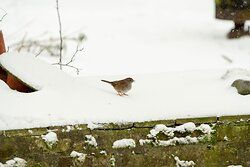
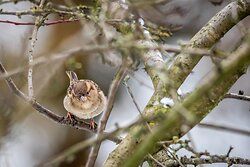
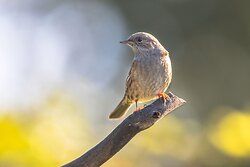
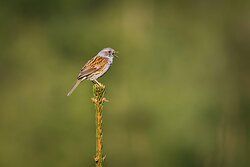
The Dunnock (Prunella modularis) is a small, understated garden bird that’s easy to overlook at first glance. Its brown, streaked back and wings are paired with a soft grey face and breast, while its fine, pointed bill gives it a more delicate appearance than a sparrow. Despite its old nickname, the “hedge sparrow”, the Dunnock isn’t actually a sparrow at all. It belongs to a different family of birds known as accentors.
Dunnocks are often seen quietly hopping beneath shrubs, hedges and bird feeders in search of food. They tend to stay close to cover and can be surprisingly discreet, even when they’re regular garden visitors. Their thin, high-pitched song and calls often give them away before you spot them.
They’re well suited to gardens, parks, hedgerows and scrub, especially where dense vegetation provides plenty of shelter. Unlike some more sociable garden birds, Dunnocks are usually seen alone or in small numbers.
Food for Dunnocks
Dunnocks mainly feed on insects, spiders, worms and other small invertebrates, using their slender bills to pick food from the ground and among vegetation. Seeds also form part of their diet, particularly when insects are harder to find.
In the garden, Dunnocks often search underneath bird feeders for small pieces of food that have fallen to the ground. Offering suitable seed mixes, small seeds and mealworms on a ground feeding tray or bird table can give them an extra helping hand.
A wildlife-friendly garden can provide plenty of natural food too. Leaf litter, dense borders and insect-friendly planting create ideal places for Dunnocks to forage for the tiny invertebrates they love.
Nesting habitats for Dunnocks
Dunnocks are not cavity nesters, so traditional nest boxes aren’t suitable for them. Instead, they build neat, cup-shaped nests low down in dense shrubs, hedges, brambles and other thick vegetation.
You can make your garden more welcoming by keeping hedges and shrubs dense and providing plenty of quiet, sheltered cover. Native planting and slightly wilder areas can offer both safe nesting places and a rich supply of insects.
Because Dunnocks often nest quite low to the ground, avoid disturbing dense vegetation during the breeding season. A well-covered garden with plenty of undergrowth can give these modest little birds exactly the refuge they need.
Photo gallery
Facts
| Scientific name |
Prunella modularis
|
|---|---|
| Family |
Prunella
|
| Habitat |
Dunnocks live in hedgerows, scrub, woodland edges, parks and gardens, especially where there is plenty of dense vegetation close to the ground. They favour sheltered places where they can forage discreetly beneath bushes and among leaf litter. Dunnocks are widespread and can be seen all year round.
|
| Food |
Dunnocks mainly eat insects, spiders, worms and other small invertebrates. Seeds become more important when insect food is scarce. In gardens they may take small seeds, mealworms and soft bird food, usually from the ground or a low feeding area.
|
| Length |
14cm
|
| Weight |
16-25g
|
| Lifespan |
1 - 2 years
|
| Breeding season |
April-July
|
| Nest |
Dunnocks build neat, cup-shaped nests low down in hedges, shrubs, brambles and other dense vegetation. They do not normally use enclosed nest boxes. Thick ground-level cover and quiet, undisturbed vegetation provide suitable nesting places.
|
| Song and call |
The Dunnock has a quick, light and slightly hurried song made up of clear, tinkling notes. Males often sing from the top of a hedge, shrub or small tree. Its calls are thin and high-pitched and can easily go unnoticed among the sounds of other garden birds.
|
| Identification |
Dunnocks have brown, heavily streaked upperparts with a blue-grey head, throat and breast. Their fine, pointed bill distinguishes them from the chunkier seed-eating sparrows they can resemble. Males and females look similar, while juveniles are more heavily streaked.
|
| Broods |
4–5 bright blue eggs. Usually 2–3 broods in a season.
|
Frequently asked questions about dunnocks
Are dunnocks related to house sparrows?
No. Dunnocks belong to a different bird family. Their thin, pointed bills also reflect a more insect-based diet than the thick-billed house sparrow.
What do dunnocks eat?
Dunnocks mainly eat insects, spiders and other small invertebrates, supplemented with seeds during colder months.
Where do dunnocks build their nests?
Dunnocks build nests low inside dense shrubs, hedges, bramble and other thick vegetation rather than using nest boxes.
Do dunnocks stay in Ireland during winter?
Yes. Dunnocks are resident in Ireland and can be seen throughout the year.