

As the days grow shorter and temperatures begin to drop, an important time of year begins for hedgehogs. They need to build up sufficient energy reserves, find a sheltered place to hibernate and prepare for the colder months ahead. But this is becoming increasingly difficult.
The good news is that a few simple steps can make your garden more hedgehog-friendly: a safe hedgehog house, a reliable source of water or ways to help when food is scarce, we’ll show you what matters and how you can support hedgehogs throughout the year.
Choosing the right winter shelter: A hedgehog house
In the wild, hedgehogs use piles of leaves and branches, dense hedges and deadwood to build their nests and spend the colder months. However, not every garden offers suitable hiding places. This is where a hedgehog house can make a real difference, providing extra shelter and security. When choosing a hedgehog house, look for the following features:


Weather-resistant materials
To provide reliable protection from rain and wind.

A protected entrance
A thoughtfully designed entrance tunnel makes it harder for larger animals to reach the sleeping area directly.

Plenty of space
Enough room for a hedgehog to settle in comfortably.

Air flow
Good ventilation and a dry interior help in preventing moisture from building up.

Easy cleaning
A removable roof makes cleaning easier after the house has been used.

Important: Place your hedgehog house in a quiet, shaded and sheltered spot. Leave it in place throughout the year and avoid opening or moving a house that may be occupied during hibernation. Natural materials such as dry leaves can provide additional nesting material.
Quality hedgehog houses, designed for safety, protection and comfort


Hibernation: What hedgehogs really need
Hibernation is essential for hedgehogs' survival. During this resting period, their body temperature and heart rate drop, and their metabolism slows down. This allows them to use less energy and live off their fat reserves until food becomes more readily available in spring.
To help a hedgehog get through the winter, three things are particularly important:
#1 Hibernation Site
A dry, sheltered hedgehog house protects them from cold, damp conditions and is used to hibernate from around mid-November to the end of March.
#2 Sufficient Food
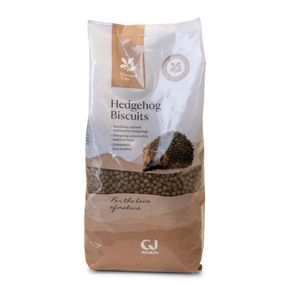
Before hibernation, hedgehogs need to build up fat reserves.You can support them with nutritious hedgehog food designed to help them all year round.
#3 Peace & Quiet
Once a hibernation site is occupied, it should not be disturbed or moved. Disturbing a hibernating hedgehog uses some of their precious energy reserves.
Help hedgehogs build vital fat reserves for hibernation with expert nutrition



Why hedgehogs need our help
Hedgehogs thrive in gardens with plenty of natural features, such as hedges, shrubs, leaf litter and undisturbed wild corners. These provide food, hiding places and safe spots for hibernation. Unfortunately, these habitats are becoming less common in many areas. Further challenges are:
Climate Change
Long dry spells make natural food scarce. This is especially challenging in autumn, when hedgehogs need to build fat reserves before hibernation.
Unsuitable Gardens
Gravel gardens, paved surfaces and closely mown lawns provide little food or shelter, leaving hedgehogs with fewer places to forage, nest and hide.
Everyday Dangers
Robotic lawn mowers and road traffic pose serious risks to hedgehogs, potentially causing severe injuries or even death, particularly at night.
Important: Supplementary feeding can help when natural food is scarce. Don’t forget water, either: a shallow bowl of fresh water can be a lifeline for our prickly little friends.
Road traffic: One of the biggest dangers for hedgehogs
Hedgehogs are active at night and often travel considerable distances in search of food. Along the way, they may have to cross roads, particularly when fences prevent them from moving freely between gardens. You can help make your garden safer and more accessible:
- Install a hedgehog gate or create small gaps in garden fences so hedgehogs can move freely between gardens.
- Avoid using robotic lawn mowers at night, when hedgehogs are most active.
- Check piles of leaves and branches before moving them, as they may provide shelter for hedgehogs.

Make your garden hedgehog-friendly today. With a sheltered home, fresh water and supplementary food, you can help create a safe and welcoming habitat.