
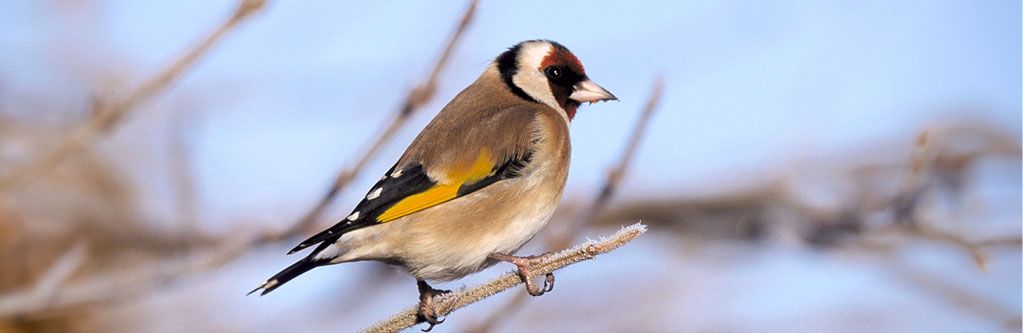
About the Goldfinch
The Goldfinch (Carduelis carduelis) is one of the UK’s most colourful and unmistakable garden birds. These sociable little finches are rarely far from company and are often seen moving around in lively groups as they search for food.
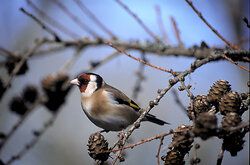
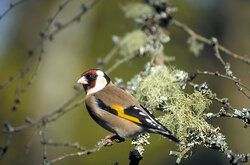
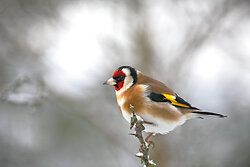
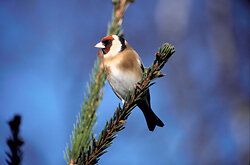
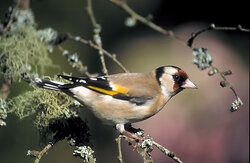
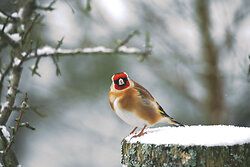
Adults are easy to recognise by their bright red face, white cheeks and striking black-and-white head. Their body is warm buff-brown, while the black wings are crossed by a brilliant golden-yellow bar that really catches the eye in flight.
Goldfinches are especially fond of thistle seeds, which is where their name comes from. Their light, tinkling song is just as distinctive, particularly when a group gathers to sing from the tops of trees.
Once much less common in gardens, Goldfinches have become increasingly familiar visitors to feeding stations, especially where suitable seeds are on offer.
Food for Goldfinches
If Goldfinches are visiting your garden or balcony, offering small, oil-rich seeds can help encourage them to return. Their fine, pointed bills are perfectly suited to picking tiny seeds from plants and feeders.
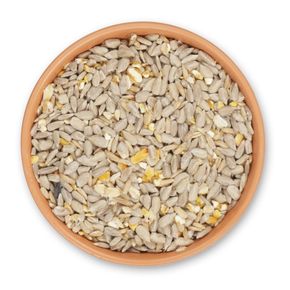
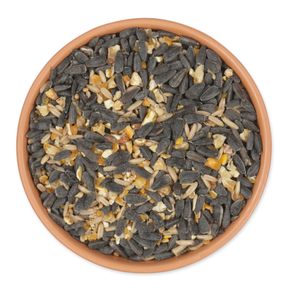
Nyjer seed and sunflower hearts are particular favourites, along with good-quality seed mixes designed for finches. In the wild, they also love the seeds of thistles, teasels and other seed-bearing plants.
Goldfinches readily visit hanging feeders and often arrive in small flocks, bringing plenty of colour and chatter with them.
Nesting habitats for Goldfinches
Goldfinches are not cavity nesters, so they won’t usually use traditional nest boxes. Instead, they build neat, cup-shaped nests hidden among trees and dense shrubs, often towards the outer ends of branches.
You can support nesting Goldfinches by planting native shrubs and trees and creating quieter, more sheltered areas in your garden. Leaving plants such as thistles and teasels to set seed provides another valuable helping hand, offering natural food right on their doorstep. A garden with plenty of flowers, seeds and dense cover can be an irresistible place for Goldfinches to visit.
Photo gallery
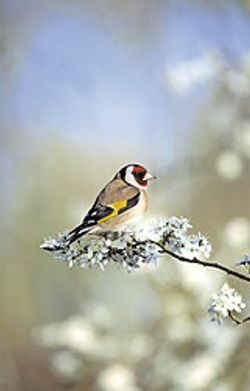

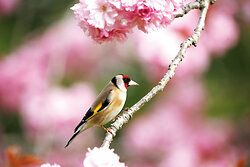

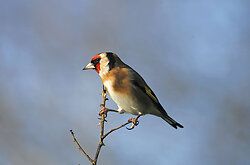


Our food for goldfinches
Facts
| Scientific name |
Carduelis carduelis
|
|---|---|
| Family |
Fringillidae
|
| Habitat |
Rough grassland, orchards, woodland edges, parks, gardens, and waste ground with plenty of thistle and dandelion.
|
| Food |
Goldfinches mainly eat small seeds, particularly those produced by thistles, teasels and other seed-bearing plants. Their fine bills are perfectly suited to extracting tiny seeds. Nyjer seed, sunflower hearts and fine seed mixes are popular foods at garden feeders.
|
| Length |
12-14cm
|
| Weight |
14-17g
|
| Lifespan |
1 - 10 years
|
| Breeding season |
April - August
|
| Nest |
Goldfinches build neat, cup-shaped nests in trees and shrubs, often towards the outer ends of branches. They do not use traditional nest boxes. Dense shrubs, trees and quiet areas with plenty of cover provide suitable nesting habitat.a
|
| Song and call |
The Goldfinch has a light, musical song filled with rapid tinkling, twittering and bubbling notes. Its familiar contact call is bright and liquid and is often heard from flocks in flight. Groups of Goldfinches can create a constant gentle chatter while feeding.
|
| Characteristics |
Goldfinches are unmistakable with their bright red face, black-and-white head and broad golden-yellow wing bar. The body is warm buff-brown and the wings and tail are mostly black. Males and females look similar, while juveniles lack the adult red, black and white head pattern.
|
| Broods |
4–6 pale bluish-white eggs with reddish markings. Usually 2 broods in a season, sometimes 3.
|
Frequently asked questions about the goldfinch
Is the goldfinch rare in the UK?
No. Goldfinches are widespread across much of the UK and are now familiar visitors to gardens, parks and farmland. In winter, they often gather in flocks wherever seed-rich plants provide plenty of food.
What do goldfinches eat, and can you feed them?
Goldfinches mainly eat seeds, especially those from thistles and teasels, with insects added during the breeding season. Nyjer seed and sunflower hearts are excellent choices for attracting them to garden feeders.
Do goldfinches breed in nest boxes?
No. Goldfinches build neat cup-shaped nests among the outer branches of trees and shrubs rather than using nest boxes. Seed-rich plants, shrubs and trees provide better support.
How many times a year do goldfinches breed?
Goldfinches normally raise two broods a year, generally between spring and late summer. A typical clutch contains around four to six eggs.