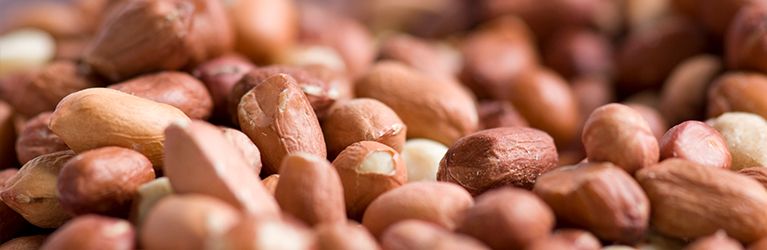
Peanuts are a popular and energy-rich food source for many garden birds. But are they safe for all birds? And what is the best way to offer them? We will explore whether birds can eat peanuts, the benefits they provide, and how to feed them safely.
Are peanuts safe for birds?
Yes, most birds can eat peanuts, but there are some important things to keep in mind. Peanuts are packed with protein, healthy fats, and essential nutrients that help birds maintain their energy levels, especially during cold months. However, not all peanuts are safe for birds.
Avoid salted, roasted, or flavored peanuts
Peanuts meant for human consumption often contain added salt, seasoning, or preservatives, which can be harmful to birds. Always choose unsalted, raw, or specially processed peanuts that are safe for wildlife.
Whole peanuts can be dangerous for young birds
During the breeding season, avoid offering whole peanuts, as they pose a choking hazard for chicks. Instead, provide crushed or grated peanuts, or use a peanut feeder with small openings that prevent adult birds from taking large pieces back to the nest.
Which birds eat peanuts?
Many bird species enjoy peanuts, including:
-
Tits (e.g., blue tits, great tits, coal tits) – Agile birds that love clinging to peanut feeders.
-
Nuthatches – These birds store peanuts in tree bark for later consumption.
-
Woodpeckers – Attracted to both whole peanuts and peanut butter.
-
Finches – Prefer smaller, crushed pieces.
-
Jays – Known for collecting and burying whole peanuts.
While many birds enjoy peanuts, they should always be offered in a safe and appropriate way.
How to feed peanuts to birds safely
-
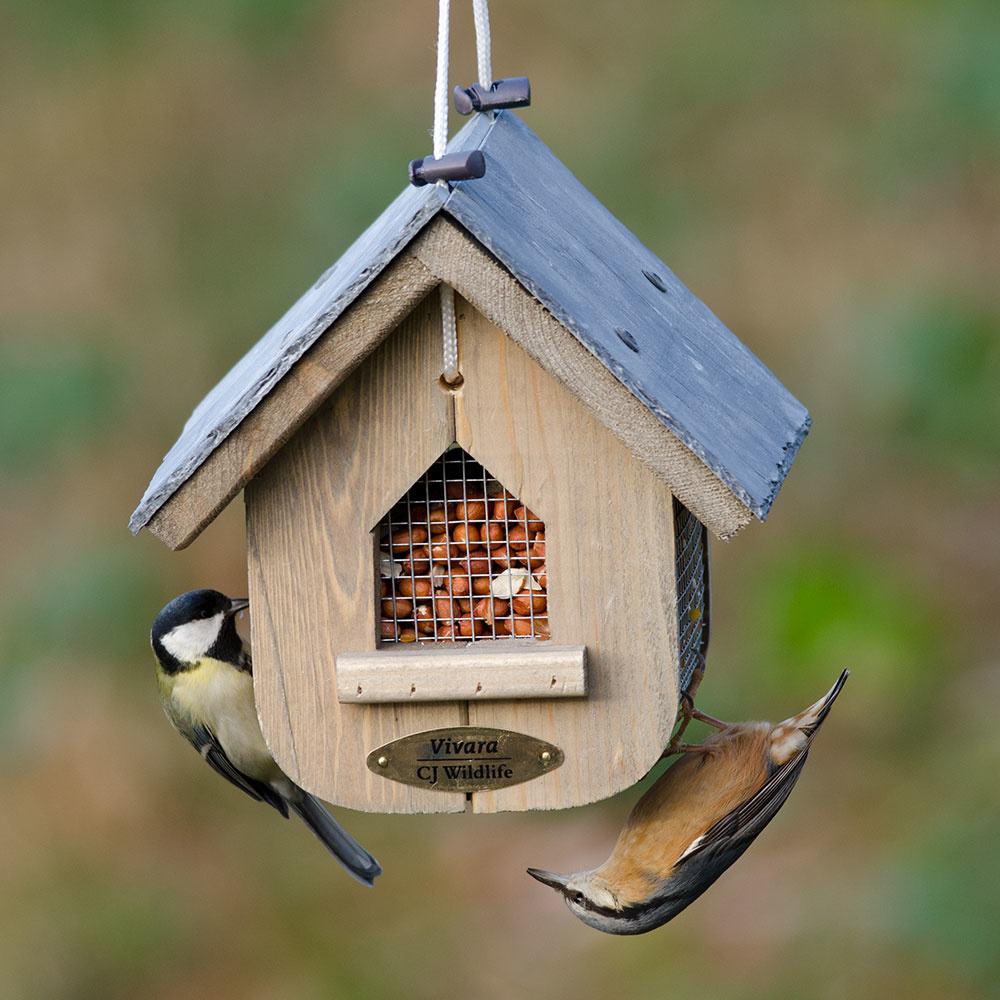
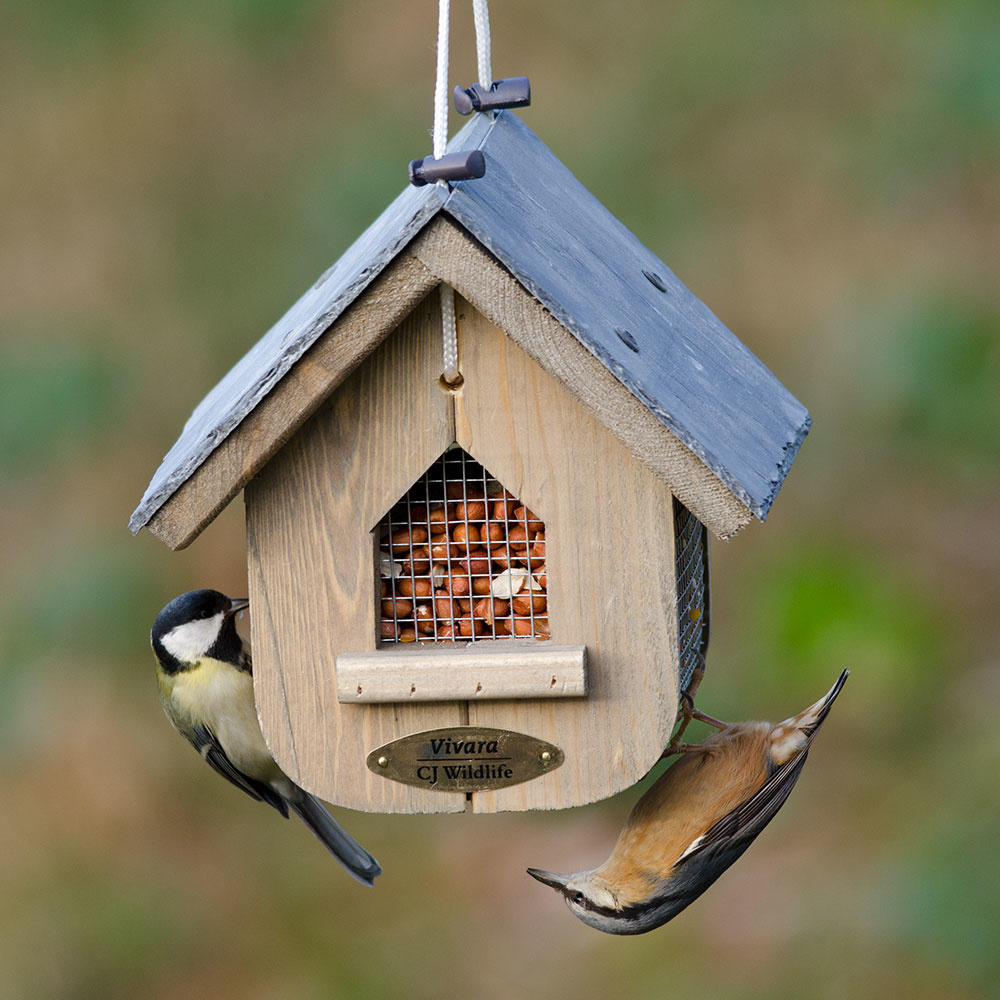
Use a peanut feeder
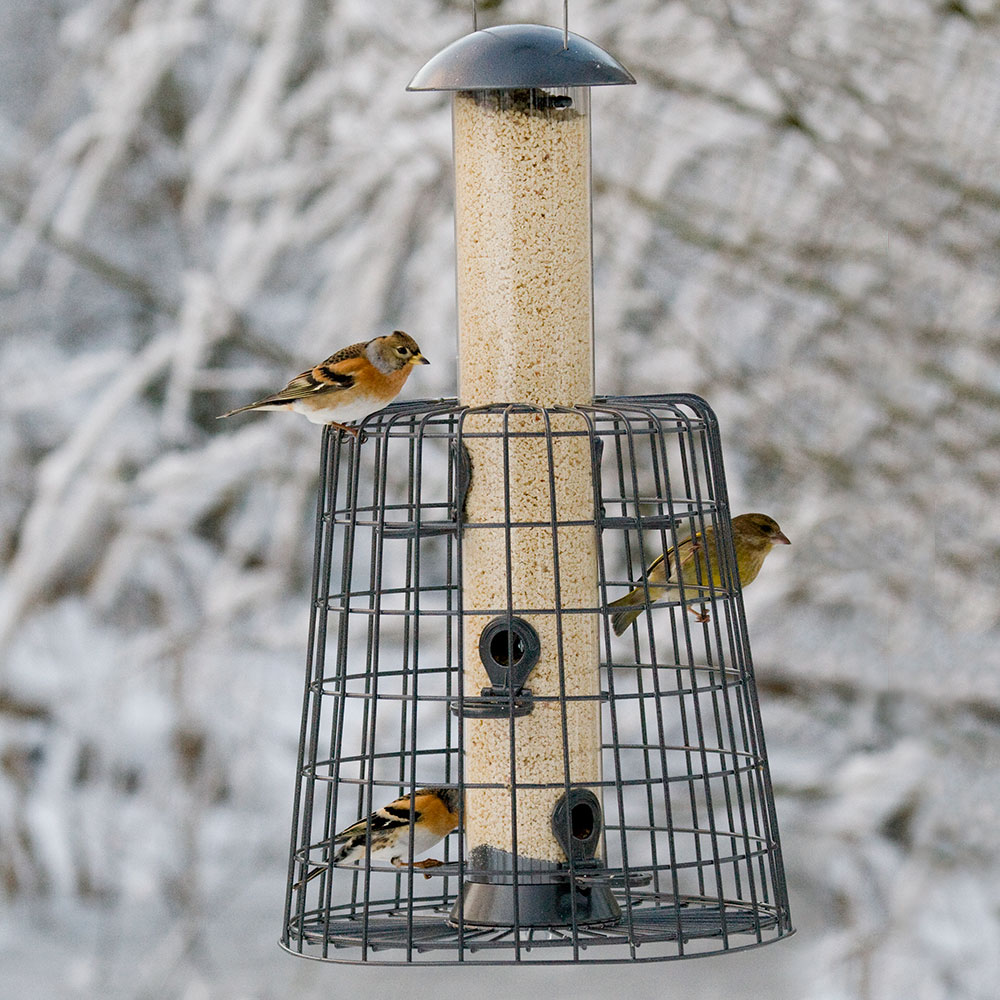
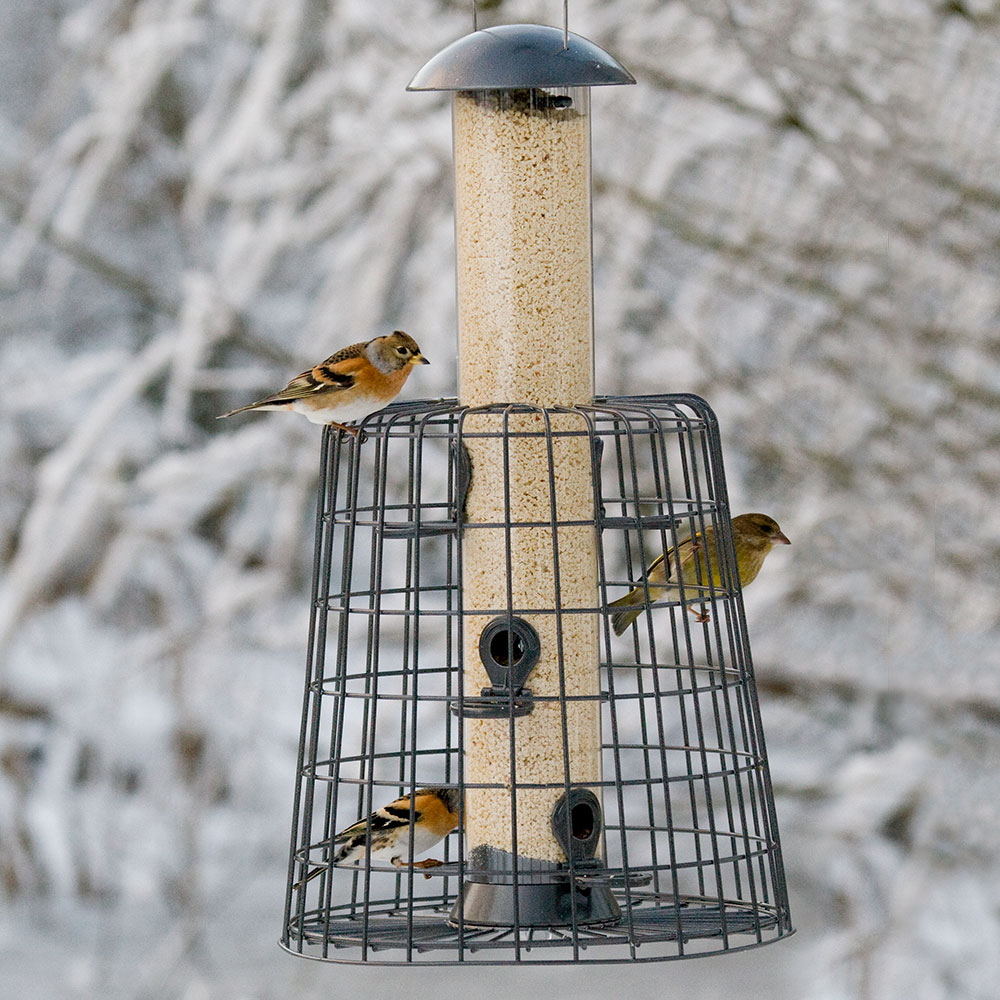
The best way to offer peanuts is in a mesh feeder with small openings. This prevents birds from taking large chunks and reduces the risk of choking. Peanut feeders also help control portion sizes and keep the food clean.
-
Offer crushed or grated peanuts
If you want to feed peanuts on a bird table or ground feeding tray, crush them into smaller pieces to make them safer for all birds, especially during the breeding season.
-
Choose high-quality peanuts
Not all peanuts are suitable for birds. Always use peanuts that are free from aflatoxins, a toxic substance produced by mold, which can be deadly to birds. Peanuts labeled as "bird-safe" have been tested for aflatoxins and are the safest choice.
-
Avoid feeding too many peanuts
Peanuts are high in fat and should be given as part of a varied diet. Supplement them with other bird foods such as seeds, mealworms, and suet to ensure birds get all the nutrients they need.
Are peanut butter and peanut cakes safe for birds?
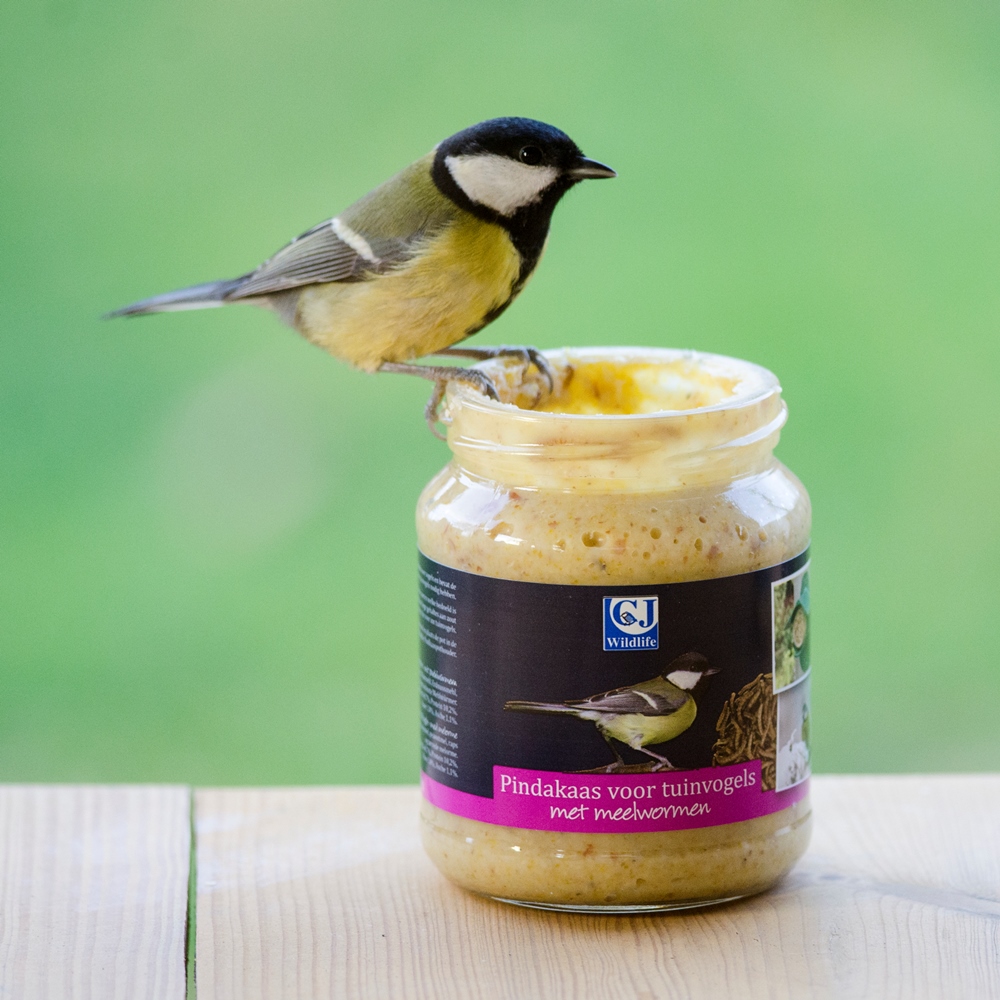
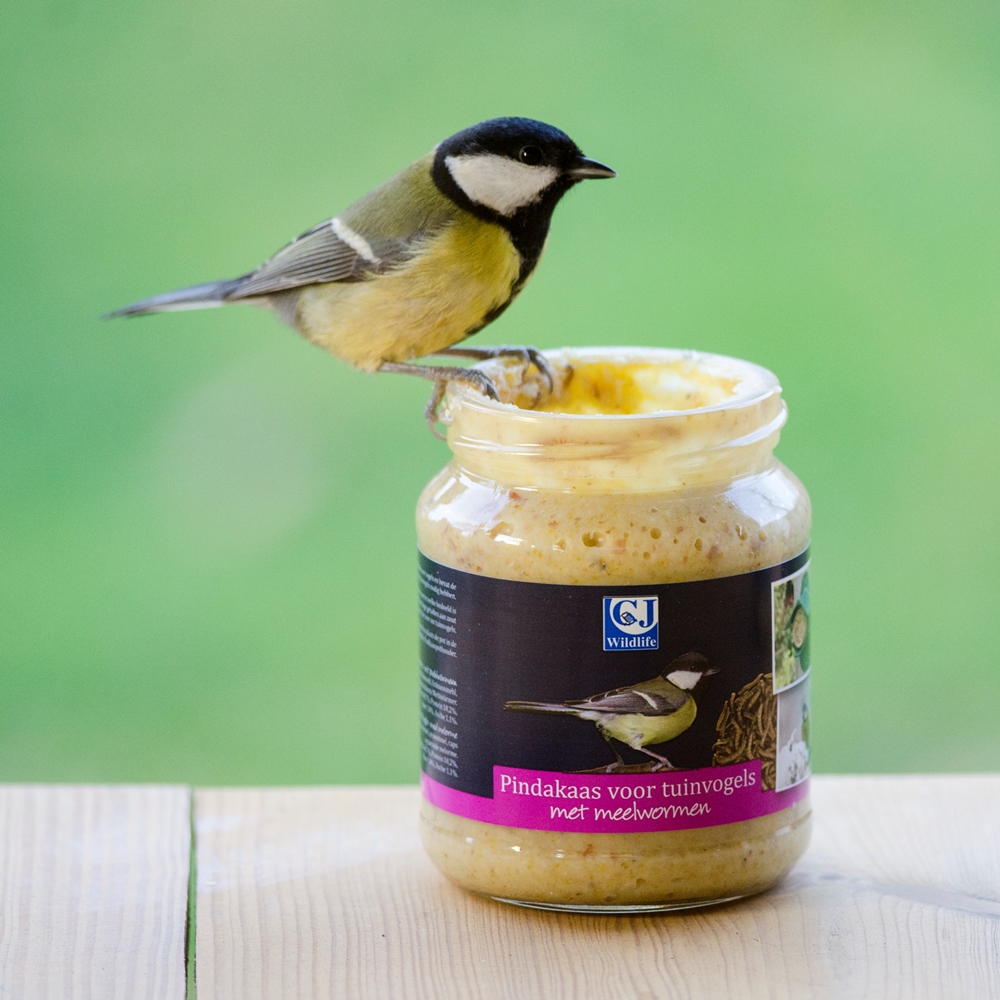
Yes, but with caution. Unsalted, natural peanut butter can be a great source of energy for birds, especially in winter. You can spread it on a tree trunk or use a special peanut butter feeder. However, always avoid peanut butter with added salt, sugar, or artificial ingredients.
Peanut cakes or suet blocks containing peanuts are also a good option, as they provide a high-energy food source that attracts a variety of birds.
Peanuts are an excellent, nutritious food for garden birds, but they must be offered correctly. Always choose unsalted, raw, and bird-safe peanuts, provide them in a safe feeder and avoid whole peanuts during the breeding season. By following these simple guidelines, you can help birds enjoy this energy-rich treat without risk.
Want to offer the best peanuts for birds? Check out our selection of high-quality bird peanuts and feeders to keep your garden visitors happy and healthy.