

About the Starling
The Starling (Sturnus vulgaris) is a lively, sociable bird with far more colour than its dark appearance first suggests. Look closely and its glossy plumage shimmers with metallic greens and purples. During winter, the feathers are covered in pale spots, while in the breeding season these markings become less obvious and the bill turns yellow. Young Starlings are much plainer, with smooth grey-brown plumage.
Starlings are slightly smaller than Blackbirds, with a short tail, pointed head and triangular wings. They’re confident walkers on lawns and often gather in noisy groups, filling gardens with whistles, clicks and chattering calls. They’re also talented mimics and can copy the sounds of other birds and even noises from their surroundings.
Outside the breeding season, Starlings can gather in spectacular flocks. At dusk, large numbers sometimes twist and sweep through the sky together in a display known as a murmuration. Despite these impressive gatherings, Starling populations have declined significantly, making gardens and other suitable feeding and nesting habitats increasingly valuable. In the UK the species is currently Red-listed, while in Ireland it is Amber-listed.
Food for Starlings
Starlings are enthusiastic garden feeders with a varied diet. In the wild, they spend plenty of time probing lawns and grassland for insects and other invertebrates, while fruit also forms part of their diet.
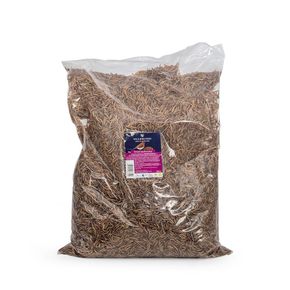
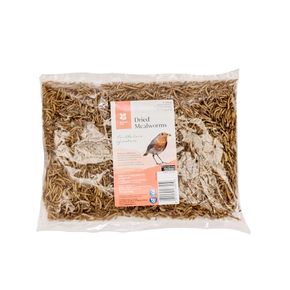
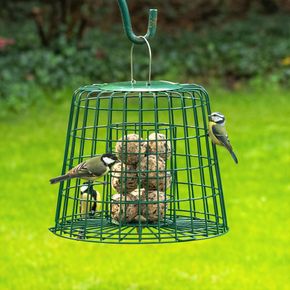
At garden feeding stations, Starlings will readily eat mealworms, suet and other energy-rich bird foods. They’re equally happy feeding from bird tables, ground feeders and suitable hanging feeders, and where one Starling appears, several more often aren’t far behind.
Keeping some areas of lawn available for natural foraging can also help. Short grass makes it easier for Starlings to search the soil for invertebrates, an especially important natural food source when adults are feeding their chicks.
Nest boxes for Starlings
Starlings are cavity nesters and naturally breed in holes in trees, buildings and other sheltered spaces. Where suitable nesting cavities are scarce, they can readily take to a properly sized Starling nest box.
Choose a larger nest box with an entrance hole of around 45 mm, giving these bigger garden birds enough room to enter comfortably.
Place the box high on a wall or tree in a sheltered position, away from easy access by cats and other predators. Where there is little natural shelter, a position facing between north and east can help protect the nest from strong sunshine and the wettest weather.
Providing a safe nesting place alongside insect-rich lawns and reliable garden food is a simple way to give these charismatic, chatter-filled birds a helping hand.
Photo gallery



Facts
| Scientific name |
Sturnus vulgaris
|
|---|---|
| Family |
Sturnidae
|
| Habitat |
Starlings live in farmland, grassland, parks, gardens, villages and towns, particularly where short grass provides good feeding opportunities. They need cavities in trees or buildings for nesting and often gather in larger groups outside the breeding season. Starlings can be seen throughout the year, although numbers vary with seasonal movements.
|
| Food |
Starlings eat insects, larvae, earthworms and other invertebrates, as well as fruit and berries. At garden feeding stations they readily take mealworms, suet and other soft, energy-rich foods, usually from bird tables, ground feeders or sturdy hanging feeders.
|
| Length |
20-23cm
|
| Weight |
75-90g
|
| Lifespan |
1 - 15 Years
|
| Breeding season |
April - May
|
| Nest |
Starlings nest in cavities in mature trees, buildings and other sheltered spaces. They readily use larger nest boxes where natural cavities are limited. A Starling box needs more internal space than a typical tit box and an entrance hole of around 45 mm.
|
| Song and call |
The Starling is an exceptionally varied and talented mimic. Its song includes whistles, clicks, rattles, squeaks and imitations of other birds and everyday sounds. Flocks are often noisy too, producing a constant mixture of chatter and calls.
|
| Identification |
Starlings have dark glossy plumage that shimmers green and purple in good light. During winter they are covered in pale spots, while breeding adults become glossier and develop a yellow bill. Juveniles are much plainer, with smooth grey-brown plumage.
|
| Broods |
4–6 pale blue eggs. Usually 1 brood in a season, occasionally 2.
|
Videos
Frequently asked questions about starlings
Why do starlings fly in huge flocks?
Large flocks help protect starlings from predators and allow birds to gather before entering communal roosts. These spectacular gatherings are known as murmurations.
Are starlings doing well in the UK?
Starling numbers have declined substantially in the UK despite the species remaining familiar in many towns, gardens and farmland areas.
Do starlings breed in nest boxes?
Yes. Starlings readily use roomy nest boxes with larger entrance holes and also nest in cavities in buildings and mature trees.
Can starlings imitate sounds?
Yes. Starlings are outstanding mimics and can copy other birds as well as human-made sounds such as alarms and whistles.