Bird Feeders for Every Garden, Balcony and Window
Whether you have a sprawling garden, a compact patio or a first-floor balcony, the right bird feeder can turn any outdoor space into a busy wildlife haven. At CJ Wildlife, we have been helping people feed garden birds for nearly 40 years, and our collection of more than 200 bird feeders reflects everything we have learned along the way. From simple fat ball holders to multi-port seed feeders with squirrel-proof cages, every feeder in our range is chosen with both birds and bird lovers in mind.
Not sure where to start? This page will help you find exactly the right feeder for your space, your budget and the birds you want to attract.
Types of bird feeder: which one is right for you?
There is no single best bird feeder. The right choice depends on the birds you want to attract, the food you plan to use and the space you have available. Here is a straightforward overview of the main feeder types and what each one does best.
Seed feeders
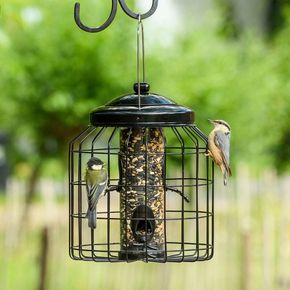
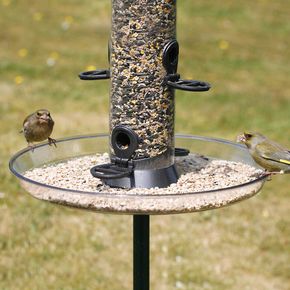
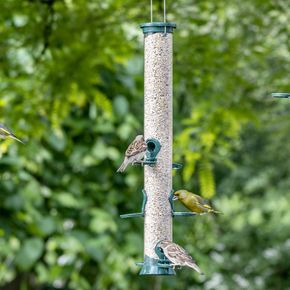
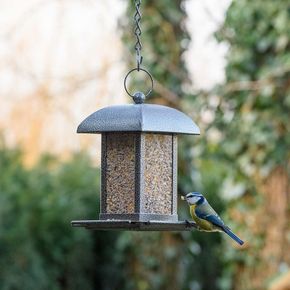
Tube-style seed feeders are the most versatile option and a great starting point. They hold sunflower seeds, nyjer seed, seed mixes and more. Models with multiple feeding ports allow several birds to feed at once, which is particularly useful during busy winter months. Our tube bird seed feeders range from simple entry-level designs to robust metal feeders with a 5-year guarantee.
Fat ball feeders
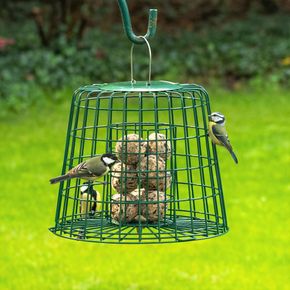
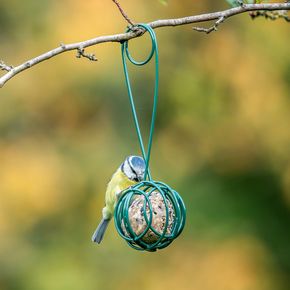
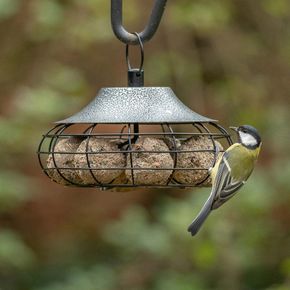
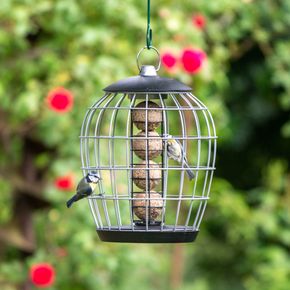
Fat balls are one of the most popular foods for garden birds in the UK, packed with calories that help birds survive cold nights. A dedicated fat ball feeder holds suet balls securely without any harmful netting. Look for a net-free design to protect birds from getting their feet or legs caught. Our Lima Fat Ball Holder is one of our bestsellers for good reason: it is simple, hygienic and incredibly easy to fill.
Peanut feeders
Peanut feeders use a fine mesh that lets birds peck out small pieces rather than swallowing whole nuts, which is important for the safety of fledglings. They are particularly popular with blue tits, great tits, nuthatches and great spotted woodpeckers. Always use feeders with a mesh size that prevents whole nuts from being taken.
Peanut butter feeders
Peanut butter has become one of the fastest-growing bird foods in recent years, and for good reason. It is high in fat and protein and loved by a wide range of species including robins and blackbirds. Our peanut butter feeders are designed to hold standard jars or refillable inserts, making them easy to use and clean.
Suet feeders
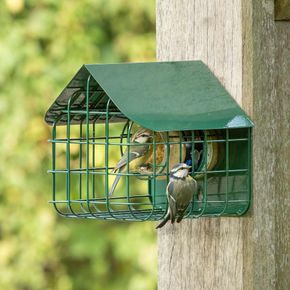
Suet comes in many forms: fat balls, suet blocks, suet logs, peanut cakes and pellets. Each requires a slightly different feeder. Our suet feeder range covers all formats, including cage-style feeders that limit access to larger birds like starlings or pigeons, and open feeders that welcome a wider variety of species.
Window feeders
Window bird feeders attach directly to glass using suction cups, bringing birds right up close for a special viewing experience. They are ideal for flats, urban homes and anyone who wants to enjoy birdwatching without a garden. Our Discovery Window Seed Feeder is a firm favourite, allowing birds to feed in a natural, forward-facing position.
Ground feeders
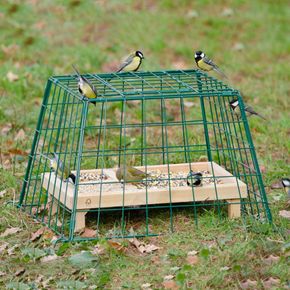
Not all birds are comfortable feeding from hanging feeders. Robins, wrens, blackbirds and dunnocks naturally forage on the ground. A ground feeder with a mesh base provides drainage and keeps food fresh, while an optional guardian cage helps keep out larger birds and unwanted visitors.
Bird feeding tables
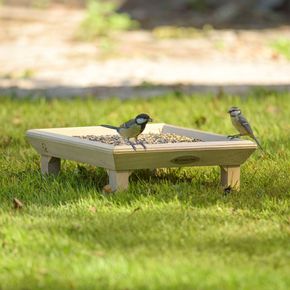
Bird feeding tables offer a generous platform for scatter feeding and can hold a variety of foods at once. They attract a wide range of species and are especially good for families who want to see plenty of activity. Our wooden feeding tables use FSC® 100% certified timber and are designed to last season after season.
Squirrel-proof and pigeon-proof bird feeders
If you have ever watched a squirrel empty a feeder in minutes, you will know how frustrating it can be. Squirrels are agile, persistent and surprisingly strong. Fortunately, there are several effective solutions.
Caged (guardian) feeders
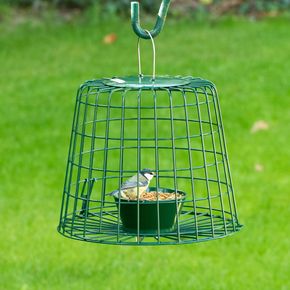
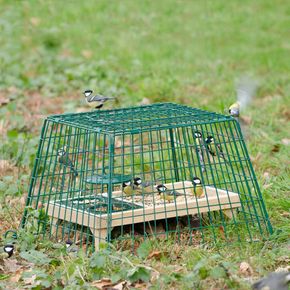
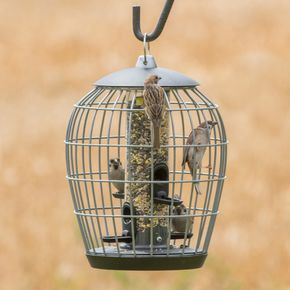
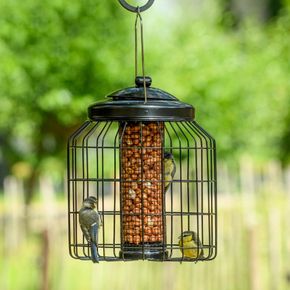
Our Guardian range surrounds a standard feeder with a metal cage. The mesh is sized to allow smaller birds like tits, finches and nuthatches to pass through freely, while keeping larger birds and squirrels out. The Brussels and Aura Guardian feeders are consistently among our most popular products, and they come with both a seed and fat ball version so you can build a matching set.
Weight-sensitive feeders
Some of our squirrel-resistant feeders use a spring-loaded perch that closes feeding ports when a heavier animal lands on it. The mechanism is calibrated to allow small birds to feed freely while triggering closure under the weight of a squirrel. These feeders require no setup beyond filling and hanging.
Pigeon-proof feeders
Pigeons and collared doves can dominate a feeding station, leaving little for the smaller species. Our pigeon-proof feeders use similar caged or port-restricting designs to limit access, giving smaller birds a fair chance at the food.
A practical tip: placing feeders at least 1.5 metres from any fence, wall or surface will also reduce how easily squirrels can reach them by jumping.
Choosing a bird feeder by material
The material of a bird feeder affects its lifespan, appearance, ease of cleaning and environmental impact. Here is how the main options compare.
Metal (powder-coated)
Durability: Excellent
Best for: Year-round outdoor use, squirrel resistance
Eco credentials: Long lifespan reduces waste
FSC-certified wood
Durability: Good with care
Best for: Traditional garden aesthetics, tables and houses
Eco credentials: Sustainably sourced timber
Recycled plastic
Durability: Very good
Best for: Lightweight, colourful, budget-friendly options
Eco credentials: Made from post-consumer waste
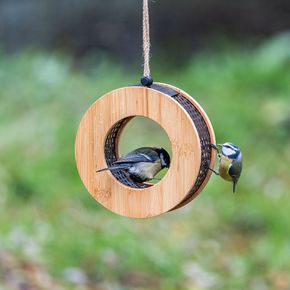
Bamboo
Durability: Good
Best for: Stylish, natural-look feeders
Eco credentials: Rapidly renewable material
Ceramic / porcelain
Durability: Moderate (handle with care)
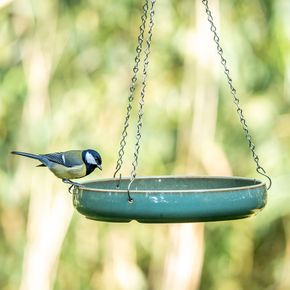
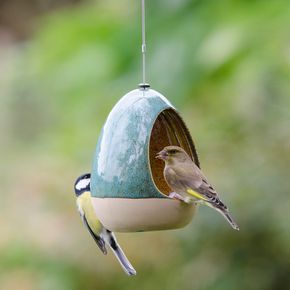
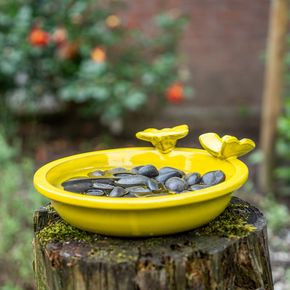
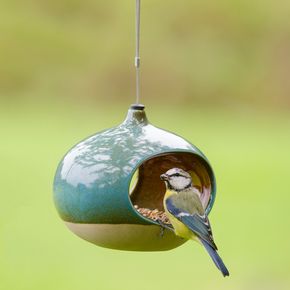
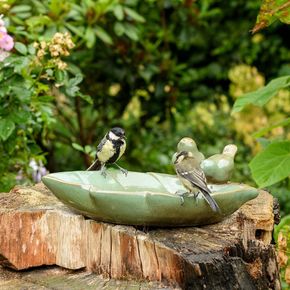
Best for: Decorative feeders and water dishes
Eco credentials: Natural material, long-lasting if undamaged
At CJ Wildlife, we are committed to responsible sourcing. All wooden feeders in our range use FSC® certified timber, and we offer a growing selection of feeders made from recycled plastic, so you can feed birds while also reducing your environmental footprint.
Which birds will visit your feeder?
One of the great joys of feeding garden birds is discovering who turns up. The species you attract will depend on where you live, what food you offer and the type of feeder you use. Here is a quick guide to some of the most common visitors and what they prefer.
|
Bird Species
|
Favourite Food
|
Best Feeder Type
|
|
Blue tit and great tit
|
Sunflower hearts, fat balls, peanuts
|
Seed feeder, fat ball feeder, peanut feeder
|
|
Robin
|
Mealworms, soft foods, seed mixes
|
Ground feeder, open tray feeder, mealworm feeder
|
|
Goldfinch
|
Nyjer seed, sunflower hearts
|
Nyjer feeder, fine-port seed feeder
|
|
Greenfinch and chaffinch
|
Sunflower seeds, seed mixes
|
Multi-port seed feeder, feeding table
|
|
Nuthatch
|
Peanuts, sunflower hearts
|
Peanut feeder, seed feeder
|
|
Great spotted woodpecker
|
Peanuts, fat balls, suet
|
Peanut feeder, suet log feeder
|
|
Blackbird
|
Mealworms, berries, soft fruit
|
Ground feeder, low platform feeder
|
|
Long-tailed tit
|
Fat balls, suet pellets, peanut butter
|
Fat ball feeder, peanut butter feeder
|
|
House sparrow
|
Seed mixes, millet
|
Feeding table, multi-port seed feeder
|
|
Siskin
|
Nyjer seed, sunflower hearts
|
Fine-port seed feeder
|
Want to attract a specific species? Use the bird species filter on this page to find feeders that are rated as suitable for the birds you most want to see. We have tested and matched every product in our range against the species most likely to use them.
Where to place your bird feeder
Getting feeder placement right can make the difference between a feeder that birds ignore and one that becomes a daily hub of activity. These guidelines apply whether you are setting up your first feeder or optimising an existing feeding station.
- Height: Aim for 1.5 to 2 metres above ground. This keeps feeders out of reach of most ground predators and gives birds a clear sight line to approach safely.
- Cover nearby: Position feeders within a few metres of a shrub, hedge or tree. Birds feel safer when they have somewhere to retreat to quickly if they sense a threat.
- Away from surfaces: Keep feeders at least 1 to 1.5 metres from fences, walls and branches that squirrels could use as a launchpad.
- Stable and secure: Use a dedicated feeder pole or station to keep feeders upright in wind and prevent swinging that could spill food or deter nervous birds.
- Visible from indoors: Place feeders where you can see them from a window. Enjoyment is part of the point, and you will also notice more quickly when feeders need refilling or cleaning.
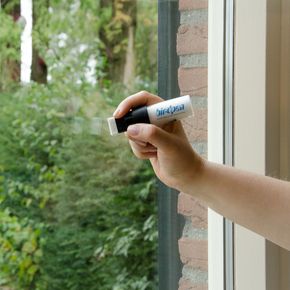
- Away from windows (or very close): Feeders placed more than 1 metre but less than 10 metres from a window can increase the risk of birds flying into glass. Either place feeders very close to windows (under 1 metre, so birds cannot build up speed) or further than 10 metres away.
- Multiple feeders: If space allows, use several feeders positioned a few metres apart. This reduces competition and allows shyer species to feed without being displaced by more dominant birds.
Bird feeder hygiene: keeping birds safe
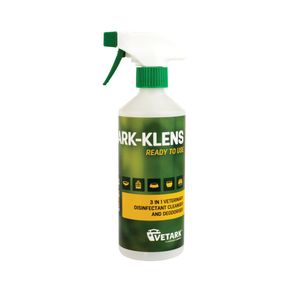
A dirty bird feeder can spread disease between birds, including trichomonosis (which affects finches and doves) and salmonella. Regular cleaning is one of the most important things you can do as a bird feeder. Here is a simple routine that keeps things safe without taking much time.
- Clean feeders every 1 to 2 weeks during normal use, and more frequently in warm weather when bacteria multiply faster.
- Use a dedicated brush set to scrub feeding ports, perches and the inside of tubes. Avoid using the same brushes in the kitchen.
- Rinse with hot water and allow feeders to dry completely before refilling. A mild disinfectant solution (1 part household bleach to 20 parts water) can be used occasionally for a deeper clean. Rinse thoroughly before refilling.
- Move feeders periodically to prevent a build-up of droppings and seed husks beneath them, which can harbour disease.
- Use a seed catcher tray to collect fallen food and stop it rotting on the ground beneath the feeder.
- Wash your hands after handling feeders, bird food or anything near the feeding area.
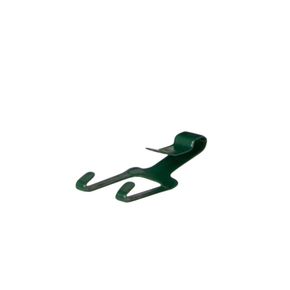
We stock a full range of feeder accessories and hygiene products, including cleaning brushes, trays and feeder hooks, so it is easy to keep your feeding station in good shape throughout the year.
Bird feeders for small spaces: balconies, flats and fences
You do not need a large garden to enjoy feeding birds. Some of our most popular feeders are specifically designed for compact outdoor spaces, and birds in urban areas can be just as varied and rewarding to watch as those in rural gardens.
Balcony bird feeders
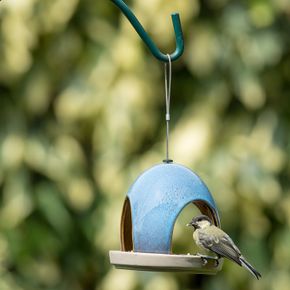
Our balcony feeder range includes designs that clamp to railings, hang from hooks or attach to walls without any drilling. Many come with drip-free trays to keep balconies clean, which matters when neighbours are close by.
Window bird feeders
For anyone without an outdoor space at all, a suction-cup window feeder is a brilliant solution. Attach it to any clean glass surface, and you can enjoy birds at arm's length from your living room or kitchen. Blue tits and house sparrows are often among the first to discover a new window feeder.
Fence and wall-mounted feeders
A simple hanging hook or bracket turns any fence post or wall into a feeding station. Combine a seed feeder, fat ball feeder and water dish for a compact but complete setup that takes up almost no space.
Feeding birds through the seasons
Spring (March to May)
Birds are recovering from winter, establishing territories and preparing to nest. High-energy foods like sunflower hearts, fat balls and mealworms are ideal. Avoid offering whole peanuts during nesting season, as adult birds may feed them to chicks, which can cause choking. Stick to crushed or grated peanuts, or use a fine-mesh peanut feeder.
Summer (June to August)
Natural food is more abundant in summer, so feeder traffic may drop. But fledglings learning to feed independently often visit garden feeders, so it is worth keeping them stocked. Soft foods like soaked raisins, mealworms and mild grated cheese attract robins and blackbirds that may be feeding young.
Autumn (September to November)
This is the time to establish new feeders before winter. Birds that discover a reliable food source in autumn are likely to return all winter. Top up feeders regularly and introduce new food types to attract a broader range of species.
Winter (December to February)
Winter is when supplementary feeding makes the biggest difference. Natural food is scarce, temperatures are low, and birds need calories to survive cold nights. Keep feeders full, offer high-fat foods like fat balls and suet, and make sure water is available and unfrozen. A floating ping pong ball can help slow freezing by keeping the surface moving in light frosts.
Building a complete bird feeding station
A single feeder is a great start, but a well-planned feeding station with complementary feeders, a water source and the right food mix will attract a much wider variety of birds and keep them coming back reliably. Here is how to build one step by step.
- Choose a pole or mounting system. A feeder pole is the most flexible option, as it allows you to hang multiple feeders at different heights and reposition the station easily. Our Patio Feeding Pole Station comes with multiple arms and is designed to accommodate a full range of feeder types.
- Select two or three feeder types. A seed feeder, a fat ball feeder and either a peanut feeder or suet feeder makes an excellent combination. Each feeder will attract slightly different species, maximising the variety of birds at your station.
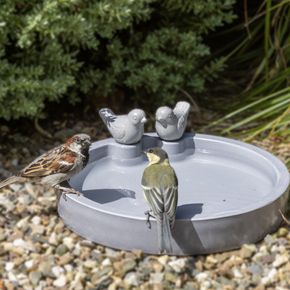
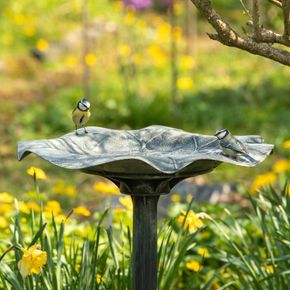
- Add a water source. A bird bath or water dish is as important as the feeders themselves. Birds need water to drink and bathe year-round, and a bird bath positioned near your feeders will significantly increase the appeal of your feeding station.
- Use a seed catcher tray. Attach a tray beneath your seed feeder to catch fallen husks. This keeps the area beneath the feeders tidy and prevents the build-up of rotting seed on lawns or patios.
- Consider a guardian cage. If squirrels or larger birds are a problem in your garden, adding a caged guardian feeder to your station will protect the food for smaller species without excluding them.
Starting with a bundle is a smart way to get everything you require at once. We offer several food and feeder starter bundles that pair a feeder with complementary food so you can get your feeding station up and running straight away.
Trusted by nearly 40 years of wildlife experience
CJ Wildlife has been supplying bird feeders to UK gardens since 1987. Everything in our range is chosen because it works: for the birds, and for the people who love watching them. Whether you are buying your first feeder or adding to an existing setup, you will find practical, well-made options here at every price point.
Do not hesitate to get in touch if you need advice. We are always happy to help you find the right feeder for your garden.