
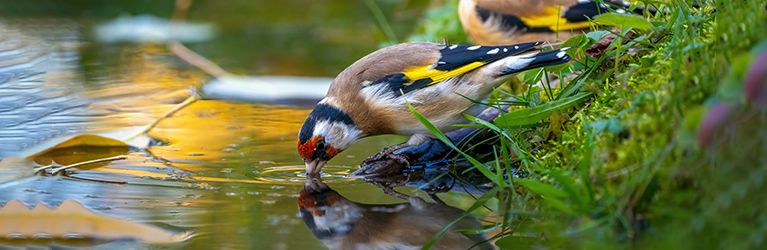
A wildlife pond is a fantastic way to boost biodiversity in your garden. Frogs, dragonflies, birds, and many other animals benefit from a natural water source – and you get to enjoy the lively activity around it. A wildlife-friendly pond is not only great for nature but also for your own relaxation.
Here’s a step-by-step guide to creating a wildlife pond in your garden.
1. Choosing the Right Location
Best spot for a pond:
- Partial sun to full sun: At least 4–6 hours of sunlight per day, but not in direct sunlight all day
- Sheltered from strong winds: This helps reduce water evaporation
- Not directly under trees: Falling leaves can pollute the water
Tip: Pick a quiet corner of your garden so that wildlife can settle undisturbed.
2. Planning the pond size and depth
A wildlife pond doesn’t have to be huge, but the bigger, the better for biodiversity!
Recommended size:
- Small gardens: At least 1.5 x 1.5 meters
- Deepest area: At least 60 cm deep to prevent complete freezing in winter
Why different depths?
- Shallow areas (10–30 cm) for insects, birds, and amphibians
- Deeper zones (60+ cm) as a refuge for overwintering creatures
Tip: A gently sloping edge helps animals enter and exit the pond safely.
3. Digging and sealing the pond
Excavation:
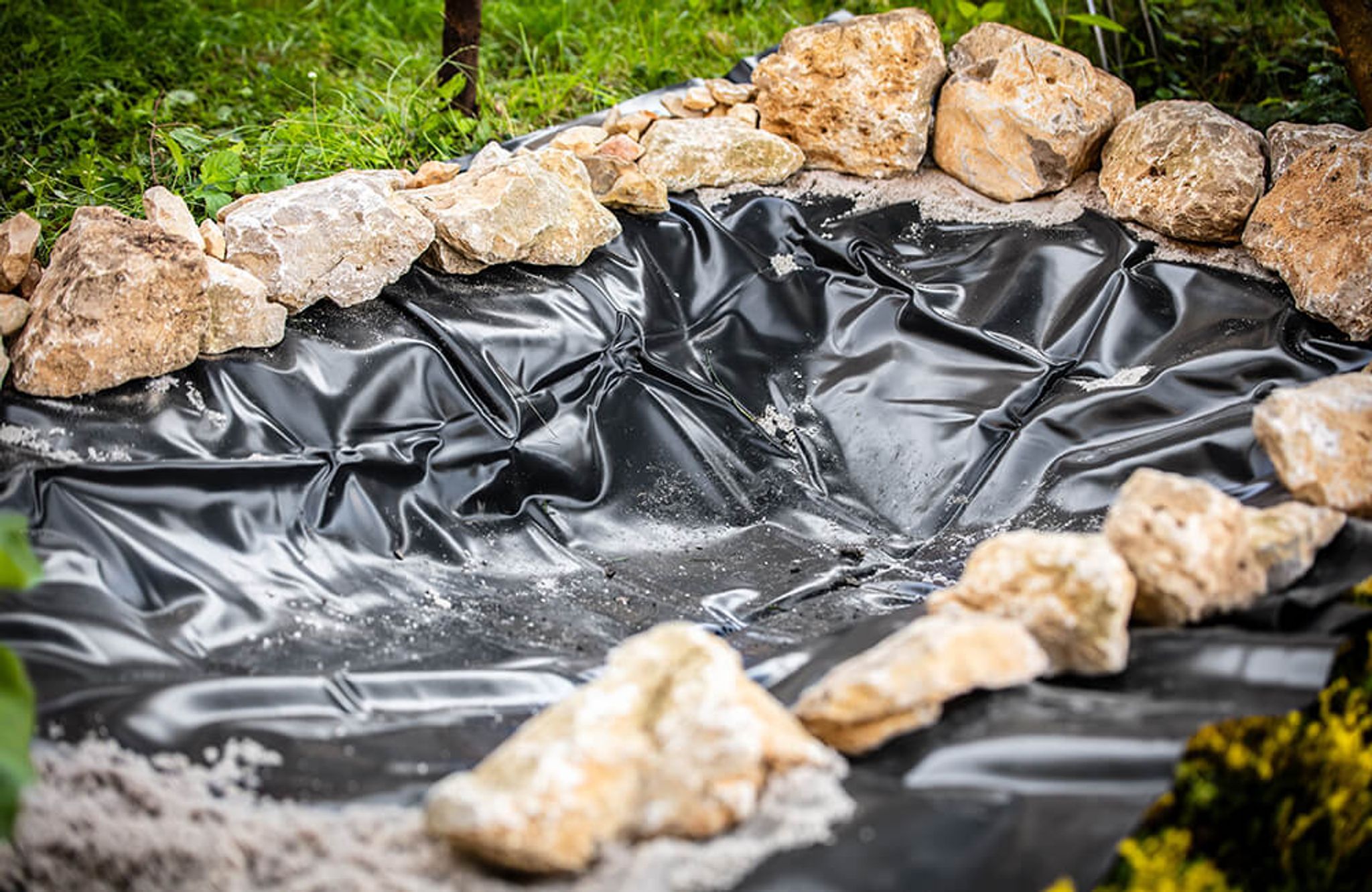
- Mark the pond shape with a rope or sand
- Dig out the different pond zones (shallow & deep)
- Remove sharp stones and roots to prevent liner damage
Lining the pond:
- Pond liner (EPDM or PVC, at least 1 mm thick)
- Alternative: Clay or natural loam as an eco-friendly sealant
Tip: Add a layer of sand or pond underlay beneath the liner for protection.
4. Filling the pond with water
Important:
- Rainwater is best, as it is softer and has fewer nutrients than tap water
- If using tap water, let it sit for a few days to allow chlorine to evaporate
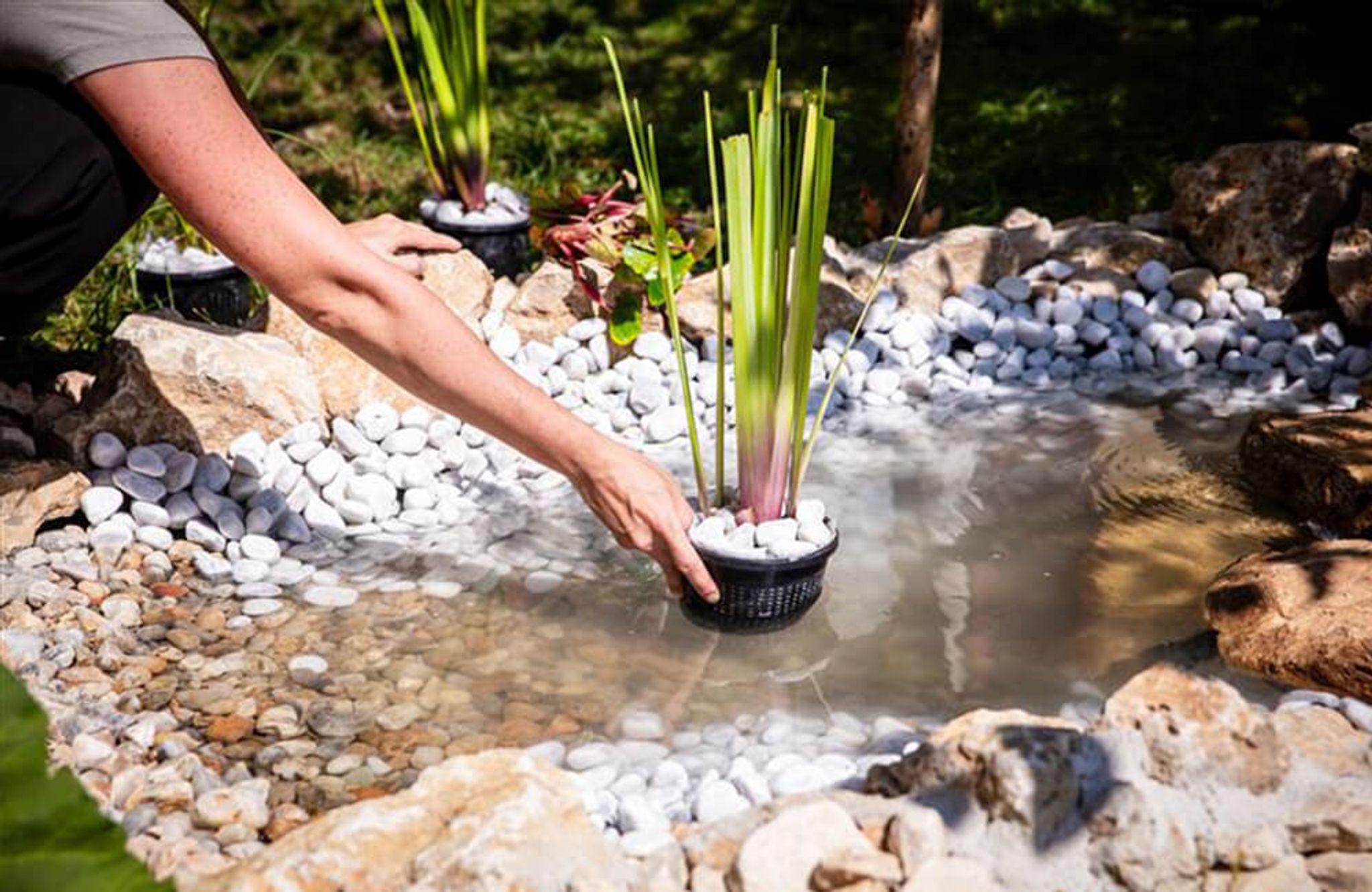
Tip: Fill the pond slowly so the liner settles properly.
5. Creating a natural pond edge
A well-designed pond edge makes it a true wildlife haven.
Best pond plants:
- Marsh marigold (Caltha palustris)
- Water mint (Mentha aquatica)
- Reeds and cattails (for larger ponds)
Shallow zones & escape routes:
- Add logs and rocks as perching spots for birds and insects
- Use gravel or plants to create a gradual transition into the water
Tip: Avoid plastic or concrete edges – they make it harder for wildlife to access the pond.
6. What wildlife will your pond attract?
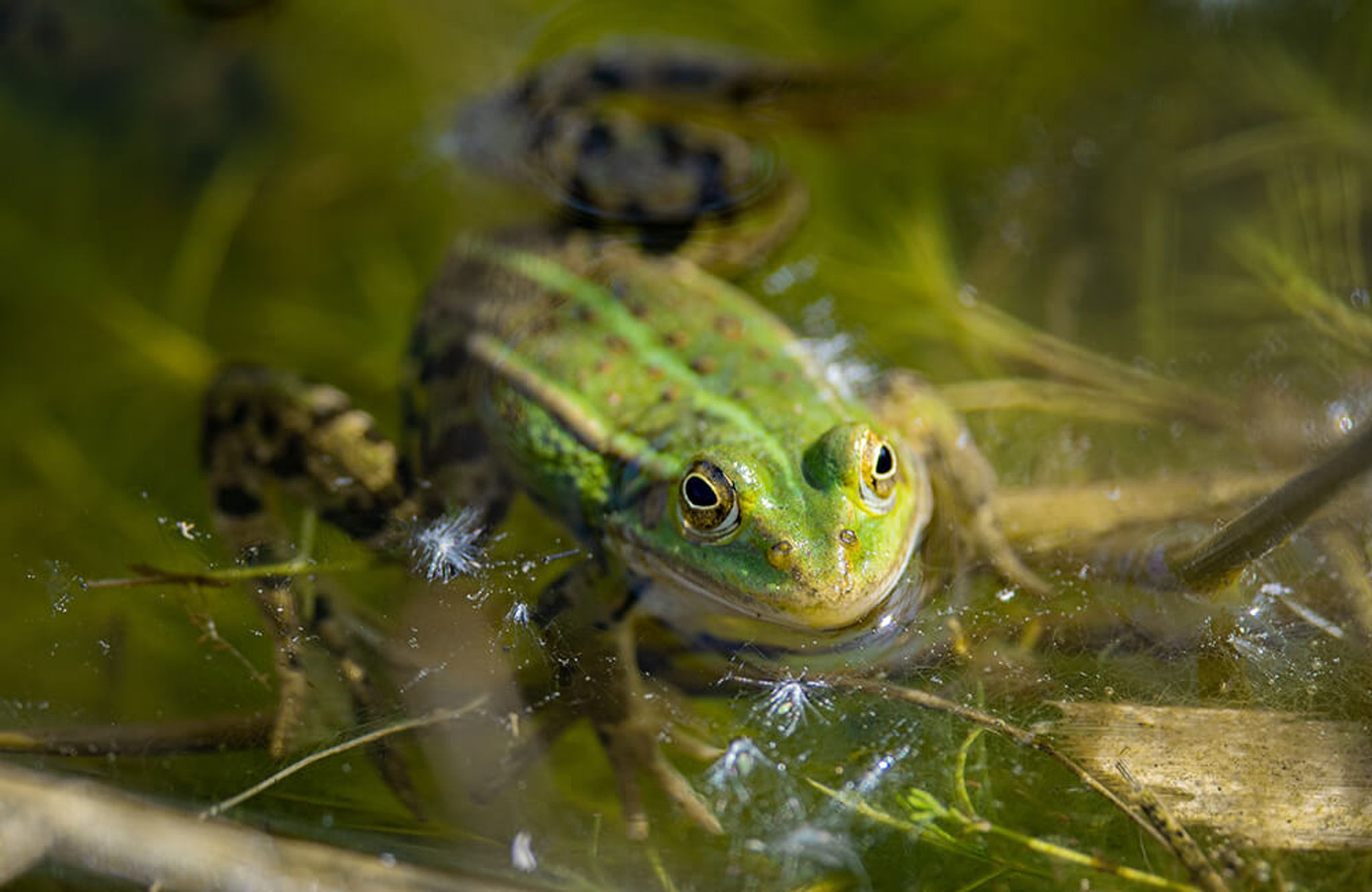
Amphibians: Frogs, newts, and toads will use the pond for breeding.
Insects: Dragonflies, water beetles, and pond skaters thrive in shallow areas.
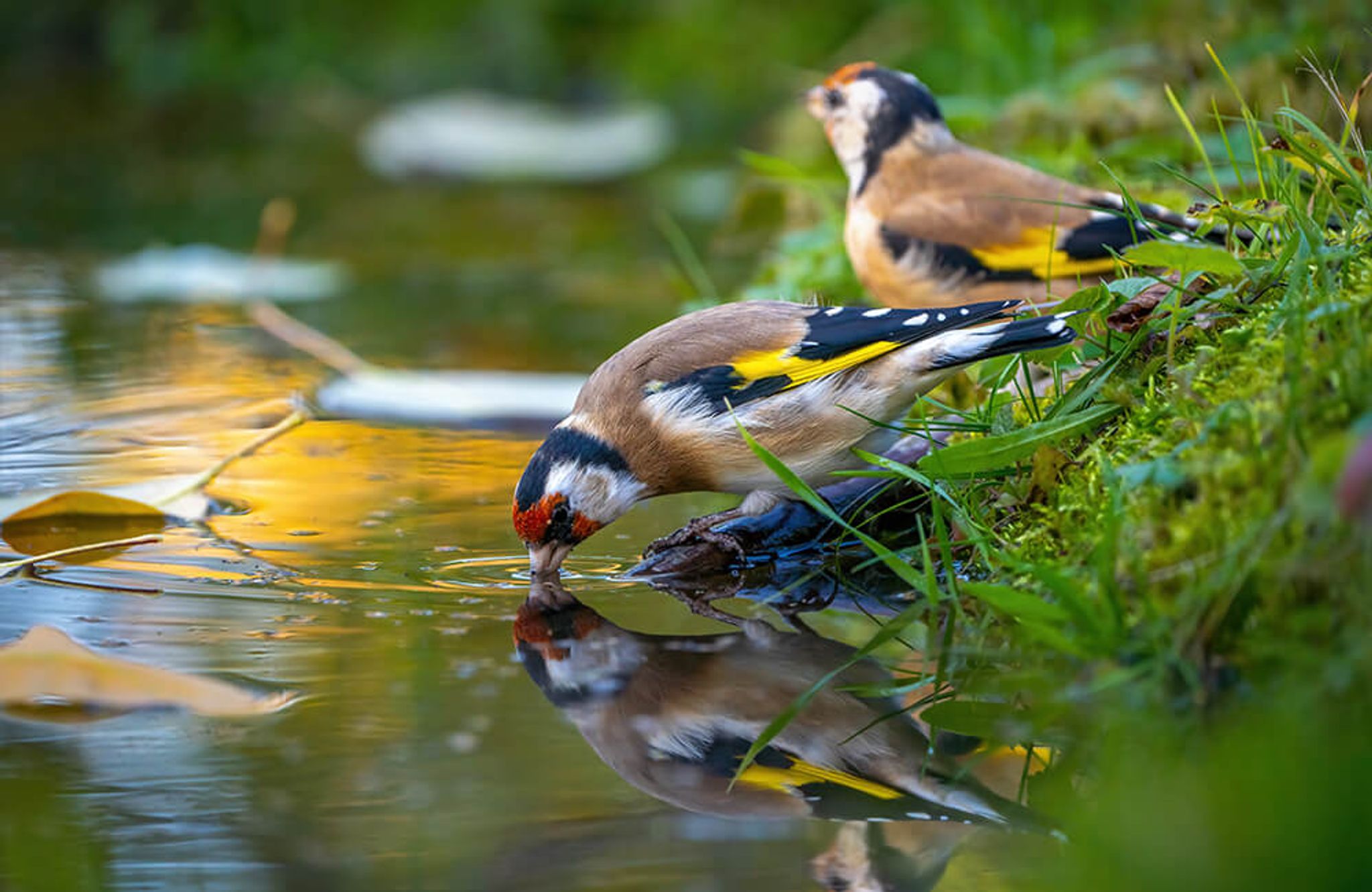
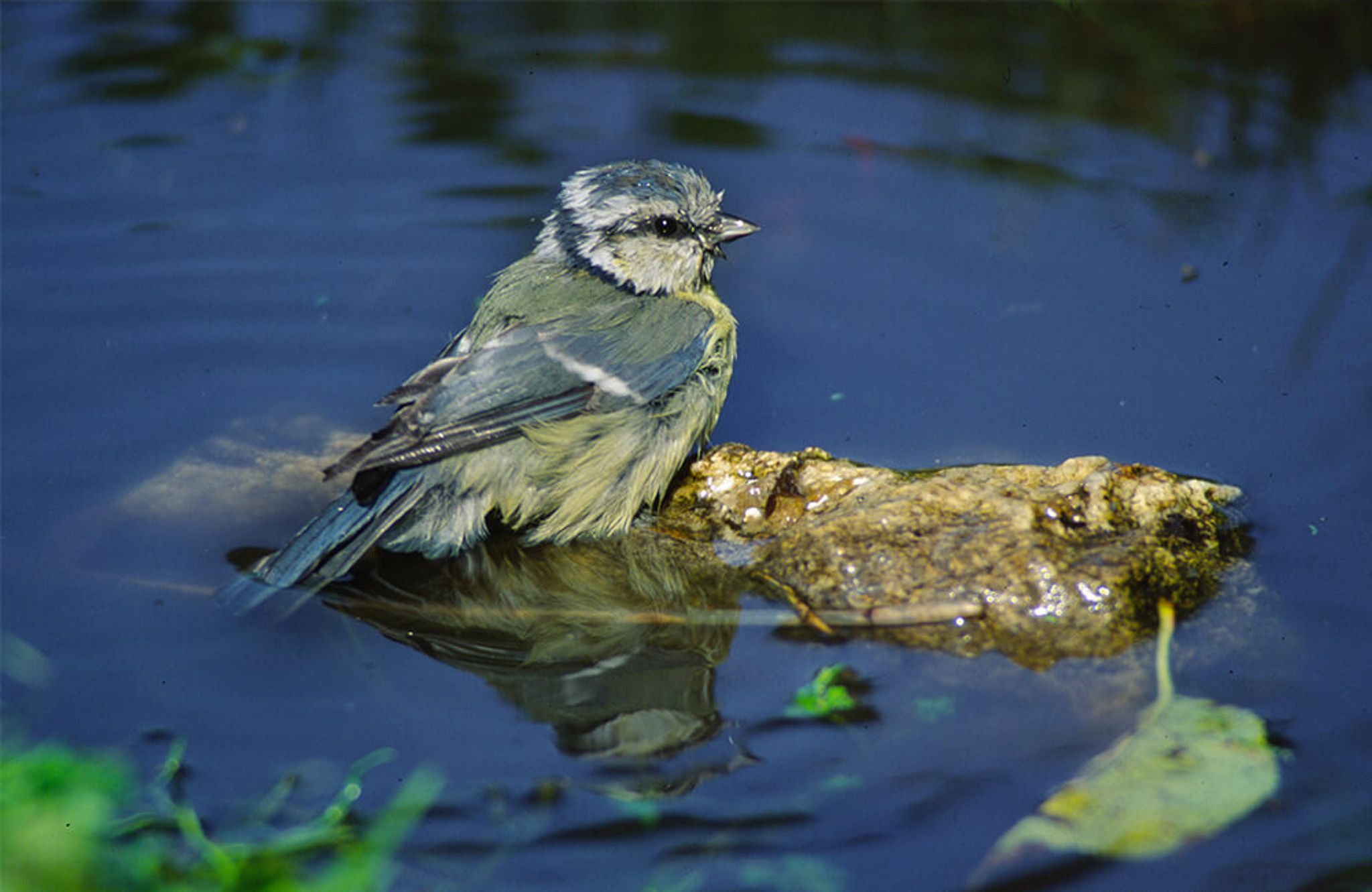
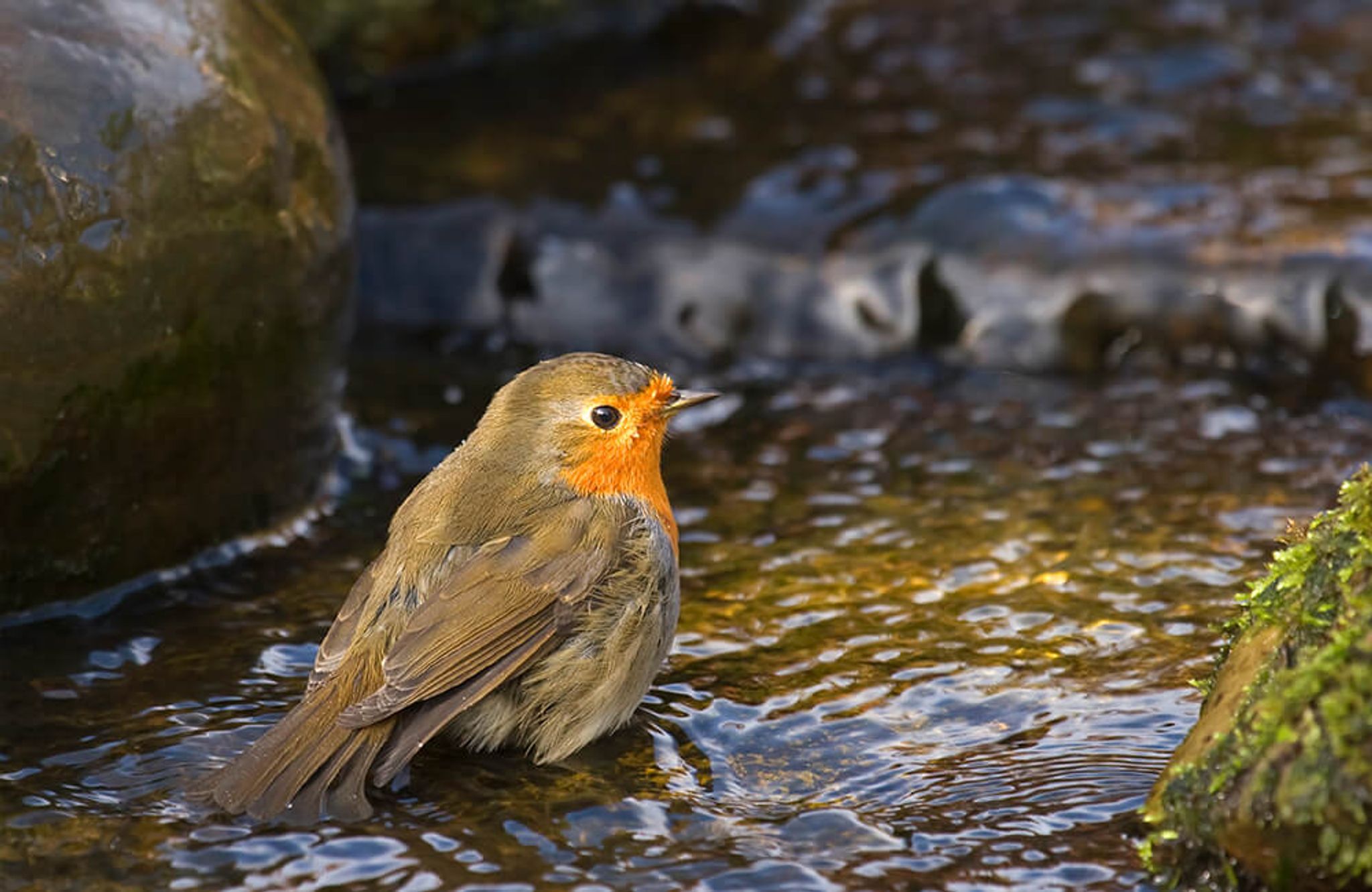
Birds: Blackbirds and finches will drink and bathe in the pond.
Pollinators: Bees and butterflies will use the pond edge as a watering station.
Tip: Be patient! Wildlife will find your pond naturally over time.
7. Maintaining your wildlife pond
Less is more! A wildlife pond requires very little maintenance:
- Remove excess leaves in autumn to prevent too much sludge buildup
- Avoid adding tap water if possible
- Control algae growth by choosing low-nutrient plants
Avoid:
- Chemicals or adding fish – they disrupt the natural balance
- Constantly stirring or over-cleaning – the pond regulates itself
Key takeaways:
✔ Location: Partial sun, sheltered, not under trees
✔ Size: At least 1.5 x 1.5 meters with different depths
✔ Lining: Pond liner or natural clay as an eco-friendly alternative
✔ Natural edges with plants, rocks, and gentle slopes
✔ Be patient – wildlife will arrive on its own
✔ Low maintenance: No chemicals, minimal human intervention
A wildlife pond transforms your garden into a haven for animals – and offers you a peaceful nature retreat. Enjoy creating your pond!