

About the coal tit
The Coal Tit (Periparus ater) is one of our smallest tits and a lively little visitor to woodland and gardens. It has a glossy black cap and bib, bright white cheeks and a distinctive white patch on the back of the neck – one of the easiest ways to tell it apart from other tits. Its greyish back and pale wing bars complete its neat black, white and grey appearance.
Coal Tits are particularly associated with coniferous woodland, although they also visit gardens, parks and mixed woodland, especially where mature conifers are nearby. They’re quick and agile birds, often darting between branches in search of food before disappearing back into cover.
Outside the breeding season, Coal Tits sometimes join mixed flocks with Blue Tits, Great Tits and other small woodland birds. They’re also clever food storers, hiding seeds away in bark and vegetation to retrieve when food becomes harder to find.
Food for Coal Tits
Coal Tits eat insects and spiders throughout much of the year, particularly during the breeding season. Seeds also become important, especially in autumn and winter, with conifer seeds forming a natural part of their diet.
At garden feeders, they readily take sunflower seeds, peanuts and energy-rich fat foods. Coal Tits often grab a single seed and quickly fly away to eat or hide it somewhere safe, so visits can be wonderfully brief and busy.
Planting trees and shrubs, particularly conifers, can also provide valuable natural feeding habitat alongside your bird feeders.
Nest boxes for Coal Tits
Coal Tits naturally nest in small cavities, including holes in trees, but they will also use suitable nest boxes.
Choose a nest box with an entrance hole of around 25 mm. This gives Coal Tits easy access while helping to reduce competition from larger birds.
Place the box in a quiet, sheltered position, ideally close to trees or dense vegetation. A location out of strong direct sunshine and protected from the worst weather will help create a more comfortable nesting site.
With conifers nearby, plenty of insects and a well-stocked feeder, your garden can offer these tiny woodland birds food and shelter throughout the year.
Photo gallery


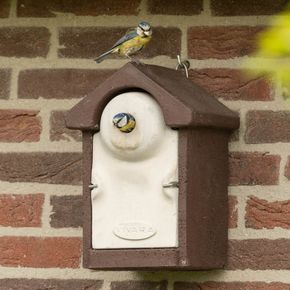
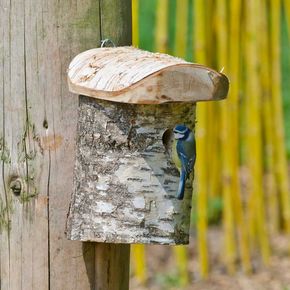
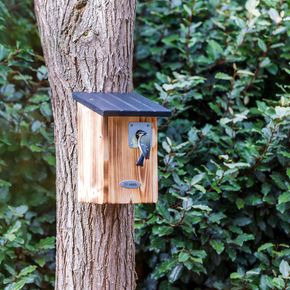
Our nest boxes for coal tits






Facts
| Scientific name |
Periparus Ater
|
|---|---|
| Family |
Paridae
|
| Habitat |
Coal Tits are strongly associated with coniferous woodland, particularly areas with spruce, pine and fir trees. They also occur in mixed woodland, parks and mature gardens where conifers are present. Coal Tits are widespread across much of the UK and can be seen throughout the year.
|
| Food |
Coal Tits eat insects, spiders and other small invertebrates, as well as seeds, particularly from conifers. At garden feeders they readily take sunflower seeds, peanuts and suet foods, often carrying individual seeds away to eat or store for later.
|
| length |
11.5cm
|
| Weight |
8-10g
|
| Lifespan |
1 - 4 years
|
| Breeding season |
April - June
|
| Nest |
Coal Tits nest in small tree holes and other cavities, sometimes surprisingly close to the ground. They also readily use suitable nest boxes. A small entrance hole of around 25 mm helps favour Coal Tits and other smaller tit species.
|
| Song and call |
The Coal Tit has a high-pitched, rhythmic song, often consisting of repeated two-note phrases. It can sound similar to a Great Tit but is usually faster, higher and slightly more slurred. Its calls are thin, sharp and sometimes slightly nasal.
|
| Identification |
Coal Tits are small, compact tits with a glossy black cap and bib, white cheeks and a distinctive white patch on the back of the neck. Their upperparts are greyish and the wings show two pale wing bars. Males and females are very similar in appearance.
|
| Broods |
7–11 white eggs with reddish markings. 1–2 broods in a season.
|
Our food for coal tits


Frequently asked questions about the coal tit
What is the difference between a coal tit and a great tit?
Coal tits are smaller, greyer and lack the great tit's yellow breast. A distinctive white patch on the back of the coal tit's head is another useful clue.
Do coal tits breed in nest boxes?
Yes. Coal tits readily use nest boxes, particularly those with smaller entrance holes that help exclude larger competitors.
Do coal tits visit bird tables?
Yes, especially during autumn and winter. Coal tits readily take sunflower seeds, peanuts and other small, high-energy foods.