Choosing the right hedgehog food
It can be tempting to omit kitchen scraps or standard leftovers, but a hedgehog’s digestive system is incredibly sensitive. Many people routinely reach for commercial dog or cat food as a quick alternative. However, standard pet foods often contain high levels of salt, sugar, and saturated fats that can cause severe stomach upsets, obesity, and long-term organ damage in wild hedgehogs.
Our hedgehog food leaves out these harmful additives and mirrors their natural diet, with a balance of proteins, vitamins and minerals. It also keeps a safe calcium-to-phosphorus ratio, which protects against nutritional deficiencies such as Metabolic Bone Disease.
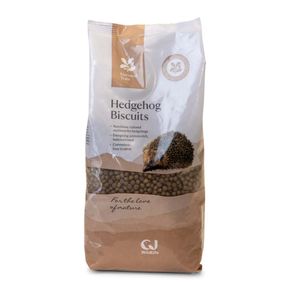
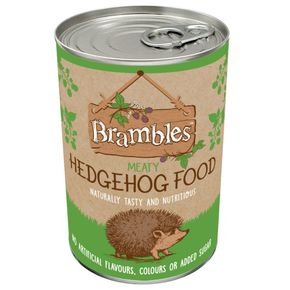
To suit the different needs of your garden visitors throughout the year, we offer our specialised formulas in two highly nutritious varieties. Explore the table below to find the best option for your local hedgehogs:
Food type:
- Dry Hedgehog Food: Excellent shelf life, helps keep teeth clean, doesn't attract flies in summer. Best used for daily year-round feeding and automatic feeders.
- Wet Hedgehog Food: Highly palatable, easy to chew (great for young or elderly hogs), provides hydration. Best used for evening feeding, autumn fattening, and dry spells.
How to feed hedgehogs
To ensure your local hedgehogs get the most out of the food you provide, and to keep unwanted garden visitors at bay, follow these simple steps:
1. Set up a feeding station
Hedgehogs love their privacy and feel safest eating in an enclosed space. While you can create a DIY 'hedgehog-only restaurant' using a plastic storage box, a purpose-built hedgehog feeding station is the most secure and reliable option. These specialised stations have an integrated entrance tunnel that naturally deters larger predators such as cats, foxes, and dogs, so your small garden visitors can dine safely.
2. Always offer fresh water
Alongside their food, always provide a shallow dish of fresh, clean water. Never give milk to hedgehogs, as they are lactose intolerant and it can cause severe illness. During dry summer spells or freezing winter days, a reliable water source is just as important as the food itself.
3. Feeding times and quantities
Hedgehogs are nocturnal, so it is best to put fresh food out around dusk. Start with a small handful of dry food or half a tin of wet food. If the dish is completely clean by morning, you can slightly increase the portion. Always clear away any uneaten wet food the next morning to prevent it from spoiling or attracting flies. Feeding throughout the seasons: when and how much? The nutritional requirements of a hedgehog change drastically depending on the time of year. The most effective solution is to install a squirrel baffle (a smooth, dome-shaped plastic or metal collar) on the pole, positioned about 1.5 metres high.
Feeding throughout the seasons: when and how much?
The nutritional requirements of a hedgehog change drastically depending on the time of year. The most effective solution is to install a squirrel baffle (a smooth, dome-shaped plastic or metal collar) on the pole, positioned about 1.5 metres high.
|
Season
|
Situation
|
Advice
|
|
Spring (Mar – May)
|
Emerging from hibernation, hedgehogs are exhausted and underweight.
|
Offer high-protein food and fresh water daily to help them regain their strength quickly.
|
|
Summer (Jun – Aug)
|
Breeding and nesting season. Mother hogs nurse hoglets, and young hedgehogs begin to forage.
|
Provide reliable, energy-dense portions to support nursing mothers and rapidly growing young.
|
|
Autumn (Sep – Nov)
|
Most critical time. Hedgehogs must build vital fat reserves to survive winter hibernation.
|
Increase portion sizes significantly. Food is vital now to help them reach their safe hibernation weight (450g–500g).
|
|
Winter (Dec – Feb)
|
Most hedgehogs are hibernating, but mild spells or disturbances can wake them up temporarily.
|
Keep a small, steady amount of dry crunchy kibble available. Provide fresh water daily and ensure it stays frost-free by placing a small floating ball in the dish or topping it up with lukewarm water during freezing spells.
|
Two moments deserve extra care: extreme summer drought and sudden autumn frosts. During prolonged dry spells in the summer, the ground becomes baked solid, making it virtually impossible for hedgehogs to dig for their natural diet of earthworms and beetles. Providing wet hedgehog food and fresh water during a heatwave can prevent severe dehydration and starvation.
Equally, during sudden freezing spells in late autumn, juvenile hedgehogs that have not yet reached their hibernation weight will struggle immensely. A consistent daily food supply during these extremes can be the difference between survival and starvation for your local hedgehogs.
How to store hedgehog food properly
Proper storage is essential to maintain the nutritional value of your hedgehog food and prevent waste.
- Store in a cool, dry place: Whether you choose dry crunchy kibble or wet food tins, keep your stock in a sealed container away from direct sunlight. A garden shed, garage, or kitchen cupboard is ideal. Moisture is the biggest threat to dry food, as it can quickly cause mould.
- Keep it pest-proof: Because hedgehog food contains high-quality meats and fats, it can be highly attractive to mice or rats. Storing your food in a sturdy, airtight plastic or metal container will keep the aromas locked in and unwanted scavengers out.
- Manage opened wet food: Once a tin or pouch of wet hedgehog food is open, cover it and store it in the fridge. Be sure to use it within 24 to 48 hours, and always bring it back to room temperature before feeding, as hedgehogs dislike freezing cold food.
Why hedgehog food from CJ Wildlife?
When you buy hedgehog food from CJ Wildlife, you are choosing premium nutrition developed by wildlife experts. We work closely with leading conservation charities to ensure our hedgehog food meets the highest nutritional standards, meaning no harmful fillers, no cheap leftovers, and absolutely zero ingredients that could compromise a hedgehog's health. By choosing our food, you also support biodiversity directly: we contribute over £1 million to wildlife charities each year, which helps nature conservation projects across the UK and Europe.
Hedgehog food FAQs
Below you'll find the most common questions about hedgehog food, from storage to keeping larger animals away from the feeding station.
-
Can I feed hedgehogs milk and bread?
No, absolutely not. This is one of the most dangerous myths about feeding hedgehogs. Hedgehogs are lactose intolerant, meaning milk will cause severe stomach upsets and life-threatening dehydration. Bread offers almost zero nutritional value and can expand in their stomachs, making them feel full without providing the nutrients they need to survive. Always stick to dedicated hedgehog food and a shallow dish of fresh, clean water.
-
Why are dried mealworms so dangerous for hedgehogs?
While hedgehogs truly like the taste of dried mealworms and will eagerly devour them, they act like an addictive "junk food" with devastating health consequences. Mealworms are extremely high in phosphorus and exceptionally low in calcium. When a hedgehog eats too many, the excess phosphorus forces their body to pull calcium directly out of their skeleton to balance it out.
In the UK, this is a major cause of Metabolic Bone Disease (MBD). MBD causes a hedgehog's bones to become incredibly brittle, weak, and deformed, eventually leaving them unable to walk or curl into a protective ball. To protect your local hedgehog population, you should avoid feeding dried mealworms completely in your garden's ground-feeding areas and stick strictly to specialised hedgehog kibble or safe wet food.
-
What should I do if the food isn’t being eaten?
Hedgehogs can be creatures of habit, and it might take a few nights for them to discover a new feeding spot. If the food remains untouched, ensure it is placed in a quiet, sheltered area of the garden away from bright lights. Also, check that local hedgehogs can actually access your garden; they need small gaps (around 13cm x 13cm), often called 'hedgehog highways,' under fences or walls to travel between gardens in their search for food.
-
Will putting out hedgehog food attract unwanted pests like rats?
Because hedgehog food is rich in proteins and fats, it can occasionally attract other scavengers. To prevent this, always use a secure hedgehog feeding station with a restricted entrance that larger animals cannot access. Additionally, only put the food out at dusk when hedgehogs become active, and clear away any remaining leftovers first thing in the morning so pests do not get a chance to feast during the day.
-
When should I stop putting food out for the winter?
You do not necessarily have to stop completely. While most wild hedgehogs will hibernate between November and March, weather conditions in the UK can vary greatly. During mild winter spells, hedgehogs frequently wake up and venture out looking for a quick snack to replenish their energy. Keeping a small, steady portion of dry crunchy hedgehog food and a dish of fresh water available all winter can be incredibly helpful for these unexpected winter waking visitors.